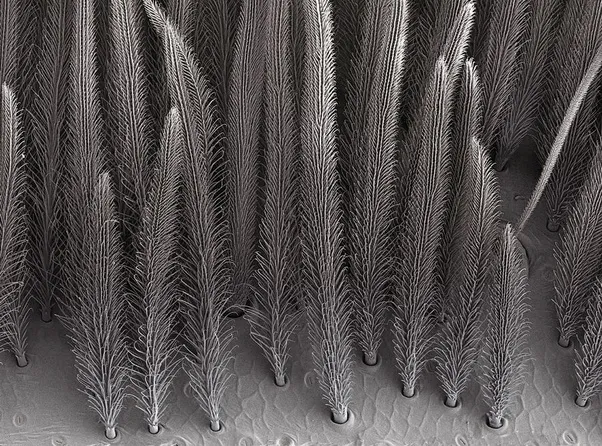
What is Tarantula Hair?
Tarantulas, fascinating creatures that they are, possess a unique defense mechanism in the form of specialized hairs. These hairs, often referred to as urticating hairs, are a crucial aspect of a tarantula’s survival strategy. Understanding these hairs is essential for anyone interacting with or simply interested in these spiders. They are not merely ‘hair’ in the typical sense, but rather, highly evolved structures designed to deter predators. The nature of these hairs, their purpose, and the effects they have are all critical components of understanding tarantula behavior and biology.
Understanding Urticating Hairs
Urticating hairs are essentially a form of defense mechanism found on many species of tarantulas. These hairs are modified setae, which are hair-like structures that cover the tarantula’s body. The key characteristic of urticating hairs is their ability to cause irritation, ranging from mild itching to severe allergic reactions, upon contact with skin or mucous membranes. These hairs are usually located on the abdomen and are deployed by the tarantula when it feels threatened. The severity of the reaction varies depending on the species of tarantula, the type of hair, and the sensitivity of the individual exposed.
The Purpose of Tarantula Hairs

The primary purpose of tarantula hairs is defense. Tarantulas are preyed upon by various animals, including birds, mammals, and even other spiders. When a tarantula feels threatened, it can use its urticating hairs to protect itself. These hairs can be flicked or brushed off the abdomen and onto a potential predator. The hairs embed themselves in the skin or eyes of the attacker, causing intense itching, irritation, and discomfort. This often deters the predator and allows the tarantula to escape. This defense mechanism is a critical part of their survival strategy in the wild.
How Tarantula Hair Works
The Physical Structure
The physical structure of urticating hairs is quite remarkable. These hairs are typically barbed or have tiny hooks, which allow them to easily penetrate the skin. Different species of tarantulas have different types of urticating hairs, with varying shapes and sizes. The hairs are often extremely fine and can be easily airborne, making them a significant threat. The structure of the hair allows it to stay embedded and cause irritation for a prolonged period. This design is specifically engineered to maximize their effectiveness as a deterrent. The barbs and hooks secure the hair in the skin or eyes, triggering an inflammatory response.
The Irritation Process

The irritation process caused by tarantula hairs is complex. When the hairs come into contact with the skin or eyes, they cause both mechanical and chemical irritation. The barbs on the hairs embed themselves, causing physical trauma. In addition, the hairs can release chemical compounds that further amplify the irritation. This leads to itching, redness, swelling, and sometimes, more severe allergic reactions. The severity of the reaction depends on the sensitivity of the individual and the type of urticating hairs involved. The effects can last for several days or even weeks, making them a highly effective deterrent.
Top 7 Facts About Tarantula Hair
Fact 1 The Defense Mechanism
Tarantula hair serves as a primary defense mechanism against predators. When threatened, the tarantula flicks the hairs from its abdomen. This action, often performed with the back legs, releases a cloud of irritating hairs aimed at the predator’s eyes and skin.
Fact 2 Types of Hairs

Different tarantula species possess various types of urticating hairs. Some have Type I hairs, which are long and barbed, while others have Type III hairs, which are shorter and more irritating. The type of hair varies depending on the tarantula’s evolutionary history and geographic location.
Fact 3 How They Are Released
Tarantulas release their urticating hairs through a variety of methods, the most common being a quick flick of their hind legs. This action brushes the hairs off their abdomen and into the air. The hairs can also be released through contact, such as when the tarantula rubs against an object.
Fact 4 Varying Potency
The potency of urticating hairs varies between species. Some species have hairs that cause only mild irritation, while others have hairs that can cause severe allergic reactions. The potency depends on the hair type and the individual’s sensitivity.
Fact 5 Health Effects

Exposure to tarantula hairs can cause a range of health effects, including skin irritation, itching, and redness. In some cases, exposure can lead to more severe allergic reactions, such as difficulty breathing and swelling. It is crucial to seek medical attention if experiencing any severe symptoms.
Fact 6 How to Handle
When handling tarantulas, it’s crucial to minimize exposure to urticating hairs. Avoid touching the tarantula’s abdomen. If contact occurs, wash the affected area thoroughly with soap and water. Avoid rubbing the area, as this can worsen the irritation. Protective eyewear is also suggested.
Fact 7 Prevention Measures
Preventing exposure to tarantula hairs involves several measures. Wear gloves and long sleeves when handling or cleaning the tarantula’s enclosure. Ensure proper ventilation to prevent hair buildup. Keep the tarantula’s enclosure clean. Be careful to avoid disturbing the tarantula unnecessarily, as this can trigger hair release.
How to Deal with Tarantula Hair Exposure

Immediate Actions
If you come into contact with tarantula hairs, take immediate action to minimize the effects. Wash the affected area thoroughly with soap and water. Rinse the area well to remove any remaining hairs. Avoid rubbing the area, as this can drive the hairs deeper into the skin. Use tape to remove any remaining hairs by pressing gently on the skin and lifting away.
Seeking Medical Attention
If you experience severe symptoms, such as difficulty breathing, swelling, or persistent irritation, seek medical attention immediately. A healthcare professional can assess the severity of the reaction and provide appropriate treatment. Inform the medical professional about the tarantula hair exposure to ensure the most effective care.
Preventing Future Exposure

To prevent future exposure to tarantula hairs, follow several precautions. Wear protective clothing, such as long sleeves and gloves, when handling tarantulas or cleaning their enclosures. Ensure good ventilation in the room to prevent hair buildup. Handle tarantulas with care and avoid sudden movements that could startle them. Regularly clean the enclosure to remove any shed hairs. Store all tools used for handling and cleaning separately to prevent accidental exposure.