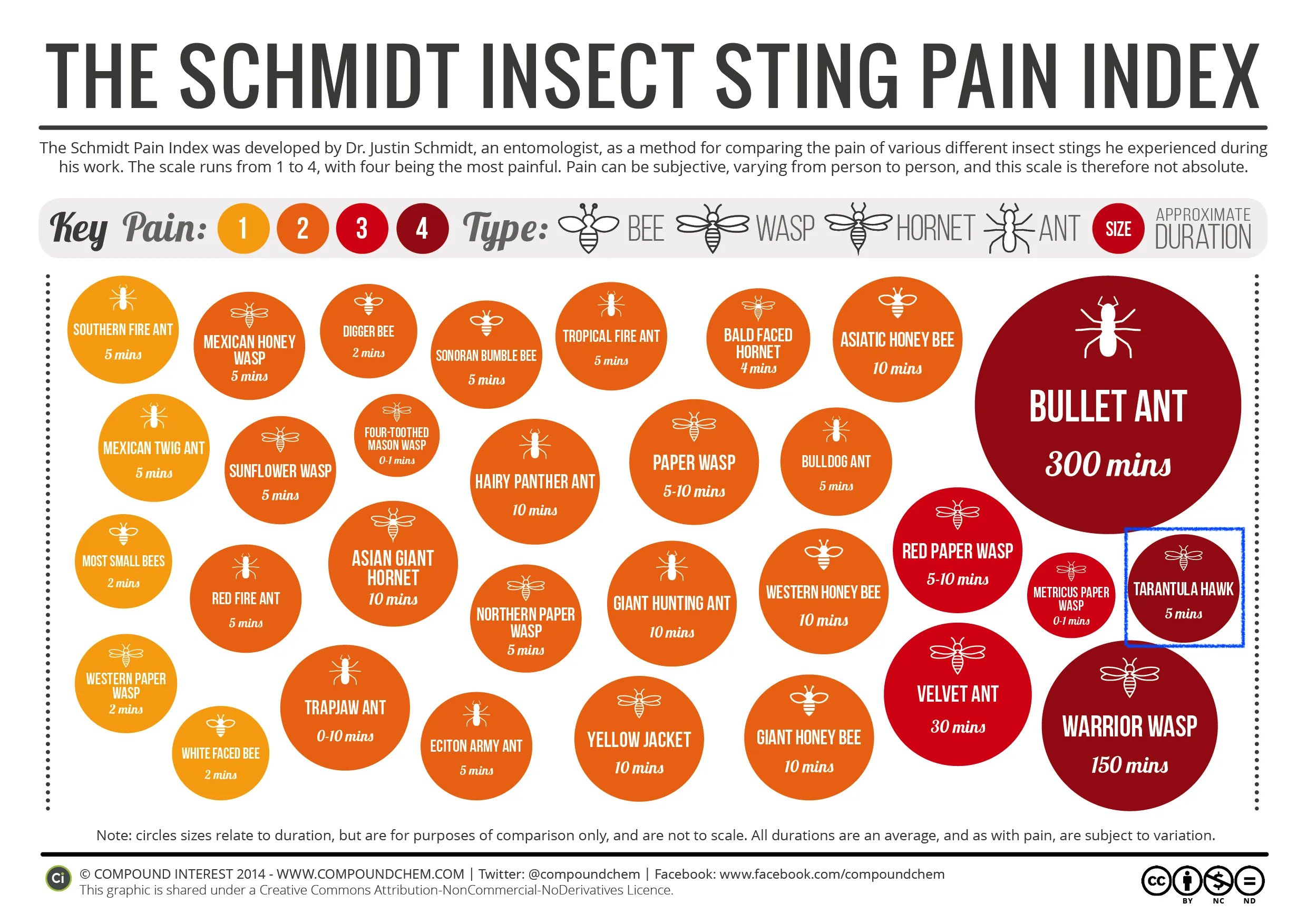
Understanding the Tarantula Hawk and Its Sting
The tarantula hawk, a formidable insect, is known for its imposing size, vibrant colors, and, most infamously, its incredibly painful sting. These wasps are not typically aggressive and only sting when threatened. However, the excruciating nature of their sting makes understanding their behavior, habitat, and the symptoms they inflict crucial for anyone who might encounter them. This article aims to provide comprehensive insights into the tarantula hawk, its sting, the symptoms to watch out for, and the appropriate course of action if you find yourself on the receiving end of this insect’s potent defense mechanism.
What is a Tarantula Hawk?
Tarantula hawks are large, solitary wasps belonging to the family Pompilidae. They are among the largest wasps in the world, often measuring up to 2 inches in length. These insects are easily recognizable by their striking appearance, typically featuring a black or blue-black body with bright orange wings. The female tarantula hawk is known for its hunting behavior, specifically targeting tarantula spiders. The wasp paralyzes the spider with its venomous sting, drags it to a burrow, and lays a single egg on the spider’s abdomen. When the egg hatches, the wasp larva feeds on the paralyzed spider, eventually killing it.
Where Do Tarantula Hawks Live?

Tarantula hawks are primarily found in the southwestern United States, particularly in arid and semi-arid regions. Their habitats include deserts, grasslands, and scrublands. They are also present in parts of South America. These wasps prefer environments with sandy or loamy soil where they can create their burrows. The availability of tarantula spiders, their primary prey, influences their distribution. These wasps are active during the warmer months of the year, particularly during the summer, when tarantulas are also most active. They are often observed flying low to the ground, searching for prey or a suitable nesting site.
The Potent Venom of the Tarantula Hawk
The tarantula hawk’s venom is primarily neurotoxic, meaning it affects the nervous system. The venom is designed to paralyze its prey, the tarantula spider, which is a relatively effective mechanism. Human experience with this venom is quite a different story. The sting is not typically lethal to humans, but it is known for causing extreme pain. The sting’s effects are not just physical; they can also trigger significant emotional distress due to the intensity of the pain. The duration and severity of the symptoms can vary based on the individual and the amount of venom injected. The pain has been described as one of the most excruciating pains known to humans, earning it a reputation as a formidable threat.
The Immediate Symptoms of a Tarantula Hawk Sting
Recognizing the immediate symptoms of a tarantula hawk sting is essential for prompt treatment and management. These symptoms appear within moments of the sting and can provide valuable information to determine the severity of the sting and provide a starting point for treatment. While the intensity of the sting is notoriously high, the immediate reactions will help you understand how to proceed. The initial symptoms are a key indicator of what to expect in the coming hours and days. Understanding these immediate symptoms is vital for effective and timely treatment.
Intense, Immediate Pain

The most immediate and defining symptom of a tarantula hawk sting is intense, debilitating pain. The pain is often described as excruciating, far surpassing the pain caused by most other insect stings. This pain is immediate, peaking within a few minutes after the sting. It is known for its searing, burning, or throbbing sensation. The intensity of the pain can vary from person to person, but it is generally considered to be one of the most painful stings a person can experience. This pain is often the first and most noticeable indicator that one has been stung.
The Burning Sensation
Following the initial sharp pain, a distinct burning sensation typically accompanies the sting. This sensation spreads from the sting site, contributing to the overall discomfort. The burning can be persistent, lasting for several minutes or even hours. This intense burning sensation can sometimes be described as a hot, electrical shock-like feeling. This particular symptom can contribute to the overall distress. The burning sensation can also make it difficult to concentrate and can significantly impact daily activities.
Localized Swelling at the Sting Site
Local swelling at the sting site is a common physical response to a tarantula hawk sting. This swelling, caused by the body’s inflammatory response to the venom, can range from mild to moderate, and it usually encompasses the area immediately around the sting. The swelling may also be accompanied by redness and warmth in the affected area. It’s important to monitor the swelling, as excessive swelling or swelling that spreads rapidly may require additional medical attention. Swelling is a clear visual sign of the body’s reaction to the sting, and can be a useful measure in determining the severity of the reaction.
The Delayed Symptoms of a Tarantula Hawk Sting

While the immediate symptoms of a tarantula hawk sting are characterized by intense pain, the delayed symptoms can be equally concerning. These symptoms may appear hours or even a day after the initial sting. They can provide insights into the long-term effects of the venom and help one understand the full scope of the reaction. Understanding the progression of these delayed symptoms is critical for proper management. Monitoring the development and severity of these delayed symptoms is crucial for ensuring appropriate treatment and care.
Muscle Spasms
Muscle spasms can occur as a delayed symptom. The venom can affect the neuromuscular system, leading to involuntary muscle contractions. These spasms can be localized around the sting site or more widespread throughout the body. The severity of muscle spasms can vary, ranging from mild twitching to more severe, painful cramps. The spasms can be a significant source of discomfort. They can also restrict movement and make it difficult to perform everyday tasks. It is important to monitor these spasms for intensity and duration, as they can impact the overall recovery process.
Difficulty Breathing
In rare cases, a tarantula hawk sting can trigger difficulty breathing. This can occur due to an allergic reaction or the impact of the venom on the respiratory system. The affected individual may experience shortness of breath, wheezing, or a feeling of tightness in the chest. Difficulty breathing is a serious symptom that requires immediate medical attention. If difficulty breathing occurs, call for emergency medical help. Do not wait to see if the symptoms subside. Rapid intervention is essential to prevent potentially life-threatening complications.
Changes in Heart Rate

Changes in heart rate, such as an increase or decrease, can also be a delayed symptom of a tarantula hawk sting. This is often associated with the body’s stress response to the venom or, in some cases, an allergic reaction. These changes can manifest as a rapid heartbeat (tachycardia) or a slower-than-normal heartbeat (bradycardia). Monitoring heart rate is an important step in evaluating the severity of the reaction. Any significant changes in heart rate should be brought to the attention of a medical professional. This is especially important if other symptoms, such as dizziness or chest pain, are also present.
What to Do If You Are Stung by a Tarantula Hawk
Being stung by a tarantula hawk is a frightening experience, but knowing how to react can help minimize the impact of the sting. Immediate and appropriate actions are essential in mitigating the pain and potential complications. It is important to remain calm and focus on seeking medical attention. The following steps are crucial in managing a tarantula hawk sting and ensuring a safe recovery. Following these guidelines will increase your chance of minimizing the impact of the sting and ensuring a safe recovery.
Seek Immediate Medical Attention
If you are stung by a tarantula hawk, the first step is to seek immediate medical attention. While the sting is not typically lethal, the intense pain and potential for allergic reactions necessitate professional medical care. Call emergency services or go to the nearest emergency room, especially if you experience difficulty breathing, changes in heart rate, or severe swelling. A healthcare professional can administer necessary treatments to manage the pain and address any complications. Seeking medical care as soon as possible will greatly improve the outcomes and reduce long-term health risks.
First Aid Measures

While waiting for medical assistance, some first aid measures can help alleviate symptoms. Apply a cold compress or ice pack to the sting site to reduce pain and swelling. Keep the affected area elevated, if possible. Take over-the-counter pain relievers, such as ibuprofen or acetaminophen, to manage the pain. Avoid any strenuous activity or movement, as this may worsen the symptoms. Try to remain calm and focused on your breathing. These first aid measures can provide some relief. They can also help minimize the impact of the sting until medical help arrives.
Managing the Pain
The pain from a tarantula hawk sting is known to be extreme, and managing this pain is an important part of recovery. Medical professionals can provide stronger pain relievers, such as prescription-strength medications, to alleviate the pain. In some cases, topical treatments, such as numbing creams, may also be recommended. Keep the affected area clean and dry to prevent infection. Follow the doctor’s instructions carefully, and take all medications as prescribed. Rest and avoid any activities that may aggravate the pain. Adequate pain management is critical to improving the quality of life and ensuring a smoother recovery.
Preventing Tarantula Hawk Stings
Prevention is the best approach. Taking precautions can significantly reduce the likelihood of being stung by a tarantula hawk. This includes being aware of their habitat, avoiding areas where they are known to be present, and wearing protective clothing when working or hiking in those areas. Educating oneself about these insects is important. Understanding their behavior and knowing how to avoid them is a key part of prevention. By following the steps below, you can minimize your risk of encountering these insects and experiencing their potent sting.
Awareness and Avoidance

The first step in preventing tarantula hawk stings is to be aware of their presence and habitat. Learn to recognize the wasp. Be cautious when visiting areas where they are known to live, such as the southwestern United States and parts of South America. Avoid disturbing their nests, which are typically found in burrows in the ground. Be especially cautious during the warmer months when the wasps are most active. Always be vigilant. Take care to watch your surroundings, and avoid any sudden movements that may startle the wasp.
Protective Clothing
When working or hiking in areas where tarantula hawks are present, wear protective clothing. This includes long sleeves, long pants, and sturdy footwear. Tuck your pants into your socks to prevent the wasps from crawling up your legs. Gloves can also provide additional protection. Choose light-colored clothing, as dark colors may attract insects. Avoid wearing any scented products, such as perfumes or colognes, as they may also attract these insects. Taking these precautions will help reduce the risk of being stung.
Removing Tarantula Hawk Nests
If you discover a tarantula hawk nest on your property, do not attempt to remove it yourself. Contact a professional pest control service. They have the necessary equipment and expertise to safely remove the nest without putting you at risk. Never try to handle or disturb a tarantula hawk nest, as this will significantly increase the risk of being stung. Keep pets and children away from any known nests. Prioritize safety, and rely on professional assistance to ensure the safe removal of the nest.
Conclusion
The tarantula hawk sting is known for its excruciating pain and the potential for serious reactions. Understanding the symptoms and knowing how to respond can make a critical difference in the outcome. Immediate medical attention, combined with first aid measures, is crucial for effective management. By increasing awareness, avoiding their habitats, and taking preventive measures, the risk of being stung can be minimized. This article has provided a comprehensive guide to the tarantula hawk, its sting, symptoms, and best practices for prevention and treatment. Always prioritize safety and seek professional medical advice when necessary.