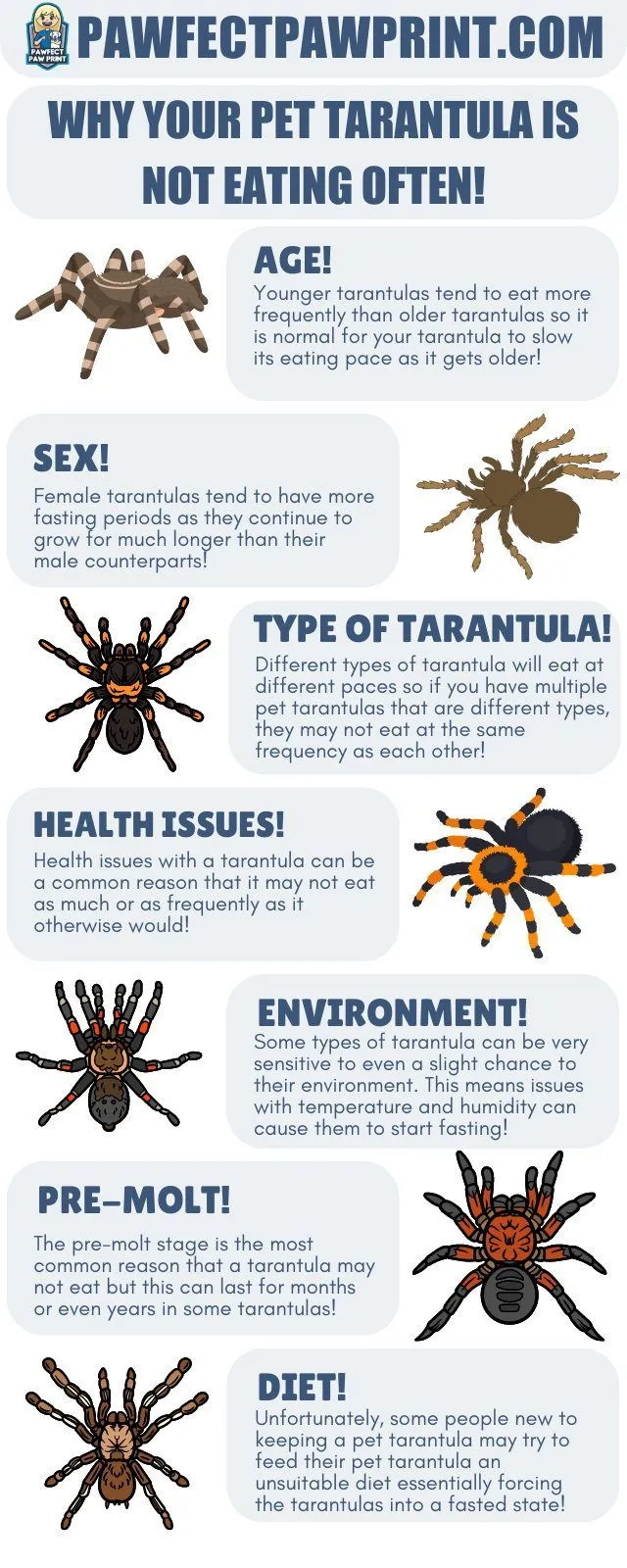
Tarantulas and Food The Basics
Tarantulas, captivating arachnids with a formidable presence, have adapted to survive in diverse environments, including periods of food scarcity. Understanding their relationship with food is crucial for responsible pet ownership and appreciating their resilience. While these creatures are known for their ability to endure long periods without eating, their survival strategies are complex. This article delves into the fascinating world of tarantula survival, exploring the factors that influence their ability to withstand hunger and thrive.
Understanding Tarantula Metabolism
Metabolism, the sum of all chemical processes in an organism, plays a pivotal role in a tarantula’s ability to live without food. Tarantulas have a relatively slow metabolic rate compared to other animals, allowing them to conserve energy and survive on infrequent meals. This slow metabolism is a key factor in their capacity to endure extended periods of fasting. They are cold-blooded creatures, meaning their body temperature is regulated by the environment, further influencing their metabolic needs.
How Metabolism Affects Food Needs

The slower the metabolism, the less frequently a tarantula needs to eat. This is because they require less energy to function. A tarantula’s activity level also influences its food requirements; a more active tarantula will generally need to eat more frequently. Factors such as temperature and the tarantula’s overall health status also affect its metabolic rate. A healthy tarantula in a stable environment can often go weeks or even months without feeding.
Top 7 Tarantula Survival Facts
Fact 1 Starvation Tolerance
Tarantulas are remarkably tolerant of starvation. In the wild, they may experience long periods without a meal, and they’ve evolved to cope with this. Some species can survive for many months, even up to a year, without eating. This is primarily due to their slow metabolism and efficient use of stored energy.
Fact 2 Metabolic Slowdown

When food becomes scarce, a tarantula’s metabolism further slows down. This reduces their energy expenditure, enabling them to conserve resources and survive for extended periods. They become less active, conserving energy to ensure they can survive until food is available. This survival mechanism is critical to their survival in the wild, where prey availability can vary greatly.
Fact 3 Water is Key
While they can survive without food, access to clean water is critical. Tarantulas need water to stay hydrated, which is essential for all bodily functions. Dehydration can quickly lead to serious health problems, even if food is available. Providing a shallow water dish is therefore a must-have for any tarantula owner, ensuring the tarantula’s well-being.
Fact 4 Molting and Hunger
Molting, the process of shedding their exoskeleton, is a demanding process that requires significant energy. Tarantulas often refuse to eat before and during molting, and they’re particularly vulnerable during this time. While they can survive without food, prolonged periods without eating combined with the stress of molting can be detrimental. Proper care during molting periods is crucial for their health and well-being.
Fact 5 Size Matters

Larger tarantulas, especially adult females, can generally survive longer without food than smaller tarantulas or juveniles. This is because they have larger energy reserves and slower metabolic rates. Their larger bodies also provide a greater surface area for water absorption and storage. This size advantage offers an edge in survival.
Fact 6 Species Differences
Different tarantula species have varying tolerances to starvation. Some species, particularly those from arid environments, have adapted to survive longer without food than others. Their natural habitat and the availability of prey influence their survival strategies. Researching your specific species’ needs is essential to providing the best care.
Fact 7 Environmental Factors
The environment plays a critical role in a tarantula’s survival during food scarcity. Temperature, humidity, and access to water all influence their metabolic rate and overall health. A stable, suitable environment helps them conserve energy and endure longer periods without food. Maintaining appropriate conditions is an important aspect of tarantula care.
Factors That Limit Survival
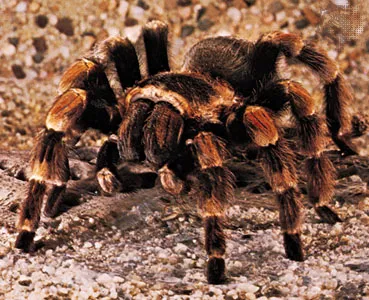
Dehydration Risks
Dehydration poses a significant threat to tarantulas, especially during periods of food scarcity. Without adequate water intake, their bodily functions are compromised. Dehydration can be more lethal than starvation, highlighting the importance of a readily available water source. Signs of dehydration include lethargy, a shrunken abdomen, and difficulty moving. It is crucial to provide fresh water regularly.
Predator Vulnerability
While tarantulas are generally hardy creatures, prolonged starvation can weaken them, making them more vulnerable to predators. A weakened tarantula may not be able to defend itself effectively. In the wild, this increased vulnerability could increase mortality. In captivity, the risk is lower, but maintaining their health through proper care is always vital.
Health Consequences of Prolonged Fasting

Nutritional Deficiencies
Even though they can survive, prolonged fasting can lead to nutritional deficiencies. While tarantulas are adapted to handle food scarcity, a consistent lack of nutrients can weaken their immune system and affect their overall health. Ensuring they receive a balanced diet when food is available is essential for optimal well-being.
Impact on Molting
Frequent or prolonged fasting can negatively impact the molting process. Insufficient nutrients may make it difficult for the tarantula to shed its exoskeleton, leading to molting problems. These issues can further affect their health and life expectancy. Providing a balanced diet and a stress-free environment is particularly important during molting cycles.
Conclusion

Tarantulas possess incredible survival mechanisms, including the ability to live without food for extended periods. Their slow metabolism, efficient energy use, and ability to adapt to environmental conditions contribute to their resilience. Providing access to clean water and a stable environment are crucial for their well-being. Understanding these survival strategies helps us appreciate their fascinating adaptations and provide appropriate care as pet owners or simply as observers of these remarkable creatures.