What Tarantula Do I Have? Top 5 Facts
So, you’ve got a tarantula, and now you’re wondering, “What tarantula do I have?” Tarantula identification can be a fascinating journey, allowing you to learn more about your eight-legged friend. Knowing the species of your tarantula helps you understand its specific care requirements, its potential size, and its temperament. This guide offers you five key facts to help you on your identification journey, providing a practical and informative approach to help you discover more about your pet. By focusing on key characteristics, common species, and available resources, you’ll be well on your way to correctly identifying your tarantula and ensuring it receives the best possible care. Let’s delve into the amazing world of tarantula identification.
Fact 1: Understanding Tarantula Characteristics
Before diving into specifics, understanding general tarantula characteristics is crucial. These amazing creatures come in various shapes, sizes, and colors, with unique features that help distinguish one species from another. This includes the size of the tarantula, which is essential, as it will allow you to compare to known species. Additionally, their physical appearance, including the presence or absence of urticating hairs, the patterns on their carapace and abdomen, and the shape and size of their legs, all contribute to identification. Keep in mind that these features often vary depending on the age and gender of the tarantula, so observations should be made carefully. This initial assessment lays the foundation for more specific identification methods.
Size and Appearance

Size is a very important aspect to identifying your tarantula. When trying to identify what tarantula you have, the size is one of the first aspects to keep in mind. Tarantulas can range from having a leg span of less than an inch to over 10 inches. Take accurate measurements of your tarantula’s leg span to compare to known species sizes. Observe the overall shape of the tarantula and pay attention to the proportions of its body parts. Note any unique features, such as the presence of urticating hairs, which can be visible on the abdomen, and the coloration of the legs and carapace. These visual cues provide valuable clues for narrowing down the possibilities. Remember, tarantulas molt as they grow, so appearance changes over time.
Color Variations
Tarantulas show a wide variety of colors and patterns. The coloration of a tarantula can be a very helpful identification tool. Note the base color of the tarantula, the colors of its hairs, and the patterns on its body. Some species have distinct markings, like stripes or spots, which are very helpful. Colors and patterns often change as tarantulas mature. The lighting conditions and the tarantula’s mood can affect how colors appear, so observe your tarantula under different conditions. Keep in mind that individual tarantulas can vary in their coloration within the same species.
Fact 2: Identifying Common Tarantula Species
Many tarantula species are commonly kept as pets, and some are more prevalent than others. Recognizing these common species can greatly simplify the identification process. Familiarizing yourself with the characteristics of these species, including their size, coloration, and behavior, will help you make a quick identification. By comparing your tarantula’s features to those of known species, you can quickly narrow down your options. Keep in mind that hybrids are rare, so the appearance of your tarantula should align with a known species. Let’s look at a few of the most commonly kept tarantula species.
The Chilean Rose Hair Tarantula

The Chilean Rose Hair Tarantula (Grammostola rosea) is one of the most popular pet tarantulas due to its docile temperament and beautiful appearance. They are typically a brown color, with pinkish hairs. These tarantulas are relatively easy to care for and are an excellent choice for beginner keepers. This species typically grows to a moderate size, with a leg span of about 5-6 inches, and has a lifespan of 15-20 years, making them a great companion.
The Mexican Redknee Tarantula
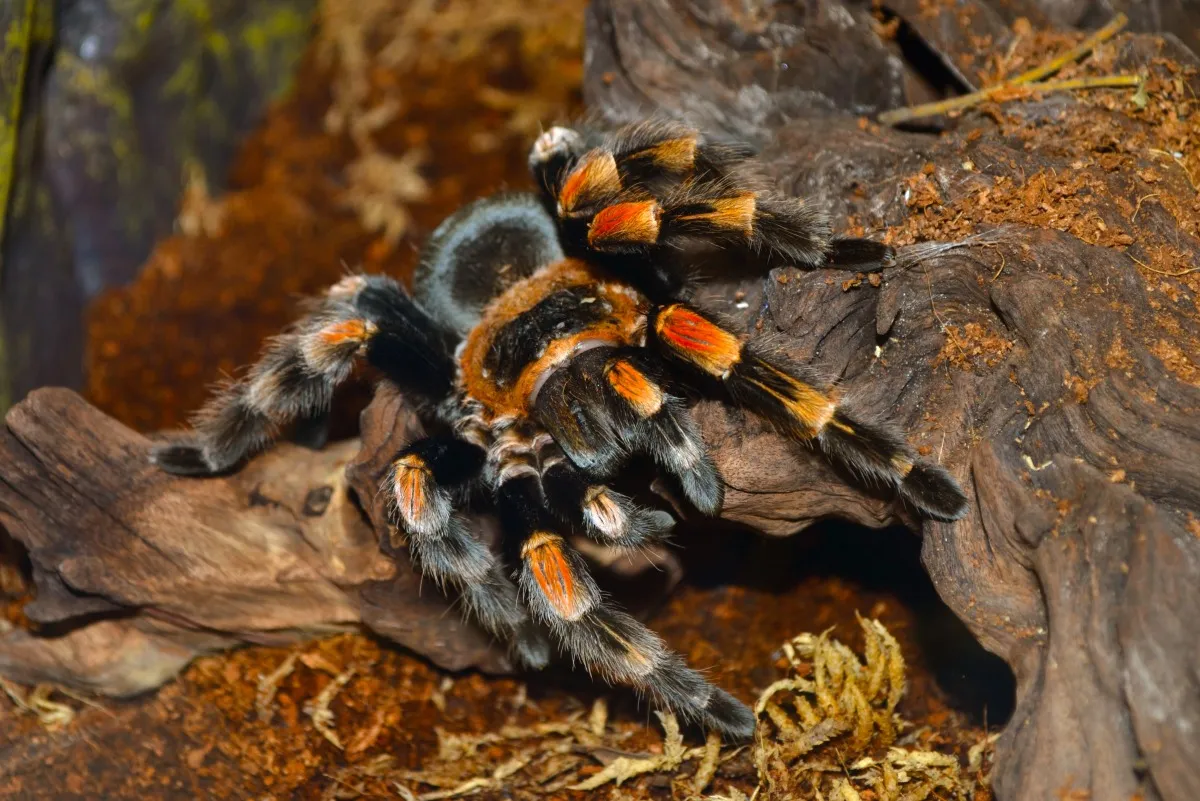
The Mexican Redknee Tarantula (Brachypelma hamorii) is instantly recognizable by its striking red-orange bands on its leg joints and a black body. They are also very popular in the pet trade because of their docile nature. These tarantulas can grow to a leg span of 5-6 inches, with females living up to 25 years or more. Their distinctive markings make them one of the most sought-after tarantula species.
The Brazilian Black Tarantula
The Brazilian Black Tarantula (Grammostola pulchra) is another popular species, characterized by its entirely black coloration. They are known for their calm temperament and are relatively easy to care for, like the Chilean Rose Hair Tarantula. They typically reach a leg span of up to 6-7 inches, with females living for over 20 years. Their stunning black color makes them a very desired pet.
Fact 3: Habitat and Origin Clues

Knowing the habitat and origin of a tarantula can greatly aid in identification. Tarantulas are native to specific regions, and the environment where they live influences their physical characteristics and behavior. Most tarantulas sold in pet stores are captive-bred; however, some information about the tarantula’s original environment can still be very helpful. Also, learning about where different species are found, including the type of environment they prefer, such as forests, grasslands, or deserts. Understanding their geographical distribution allows you to compare your tarantula’s characteristics to those of known species from that region.
Where Do They Come From?
Tarantulas come from all over the world, including North and South America, Asia, Africa, and Australia. Knowing where your tarantula originated can provide important clues for identification. For instance, if your tarantula is from South America, it’s less likely to be a species native to Asia. In general, tarantulas are often imported from their native habitats or, in the case of common species, are captive-bred. Inquire with your pet store to find out where your tarantula originated, if possible. Different species are adapted to different climates, with some thriving in humid environments and others in drier climates. Knowing the origin can offer great help in the identification process.
How Habitat Affects Identification
A tarantula’s natural habitat greatly influences its appearance and behavior. Species from arid environments often have adaptations for conserving water and may be more reclusive. Those from humid environments may have different coloration and behaviors. The habitat also influences the tarantula’s size, with larger species often found in areas with more abundant food. Knowing the origin and habitat preferences of your tarantula can offer hints for identifying it. The habitat is also important for providing the correct setup, humidity, temperature, and substrate, and can play a big role in the life span and overall health of your tarantula.
Fact 4: Behavior and Temperament Insights

Observing your tarantula’s behavior is another valuable way to aid in identification. Different species have distinct temperaments and defense mechanisms. Understanding these behavioral traits can provide key clues. Watch how your tarantula reacts to various stimuli, such as handling or disturbances in its enclosure. Understanding its defensive postures and feeding habits can provide extra help. All this information combined can help you get the correct identification.
Defensive Poses
Tarantulas use defensive postures to protect themselves from perceived threats. Some species may raise their front legs, show their fangs, or flick urticating hairs. Recognizing these postures can offer important clues about the species. More docile species may be less likely to display aggressive behaviors, while others may be more defensive. The type of posture displayed, how quickly the tarantula reacts, and the frequency of these behaviors can all indicate the species. Always handle your tarantula gently, as stress can make it more defensive. These observations should provide extra help to correctly identify your tarantula.
Feeding Habits
A tarantula’s feeding habits can also offer additional information. Observe how it captures and consumes prey, as this can vary between species. Some tarantulas are active hunters, while others are sit-and-wait predators. The types of food your tarantula prefers, such as insects, lizards, or small mammals, and how frequently it eats can also offer clues. Changes in appetite and feeding behavior may indicate stress or changes in the tarantula’s health, so these should be monitored. When you understand the basics of tarantula behavior, you will also better understand your tarantula.
Fact 5: Using Resources for Accurate ID

Identifying your tarantula can be simplified by using available resources. Many online databases, guidebooks, and expert consultations can help you identify your tarantula. Using these resources, you can compare your tarantula’s characteristics to those of known species. When using external resources, you can gather as much information as possible to make an accurate identification.
Online Databases and Guides
Various online databases and guides are available for tarantula identification. These resources often include detailed descriptions, photos, and distribution information for different species. Websites and forums dedicated to tarantulas can also provide valuable information, as well as allowing you to ask other tarantula enthusiasts for help. Use these resources to compare your tarantula’s features to known species. Make sure the sources are reliable and up-to-date. Always consider multiple sources and cross-reference information to ensure an accurate identification.
Expert Consultation
If you find it difficult to identify your tarantula, consult a tarantula expert. Experienced breeders, arachnologists, and reptile specialists can provide expert assistance. They can offer insights based on their expertise and can help you confirm your identification. You can reach out to local reptile clubs or online forums for expert consultations. Preparing detailed information, like photos and measurements of your tarantula, will help experts in the identification process. With patience and access to the right information, you can correctly identify your tarantula.