What Is a Tarantula?
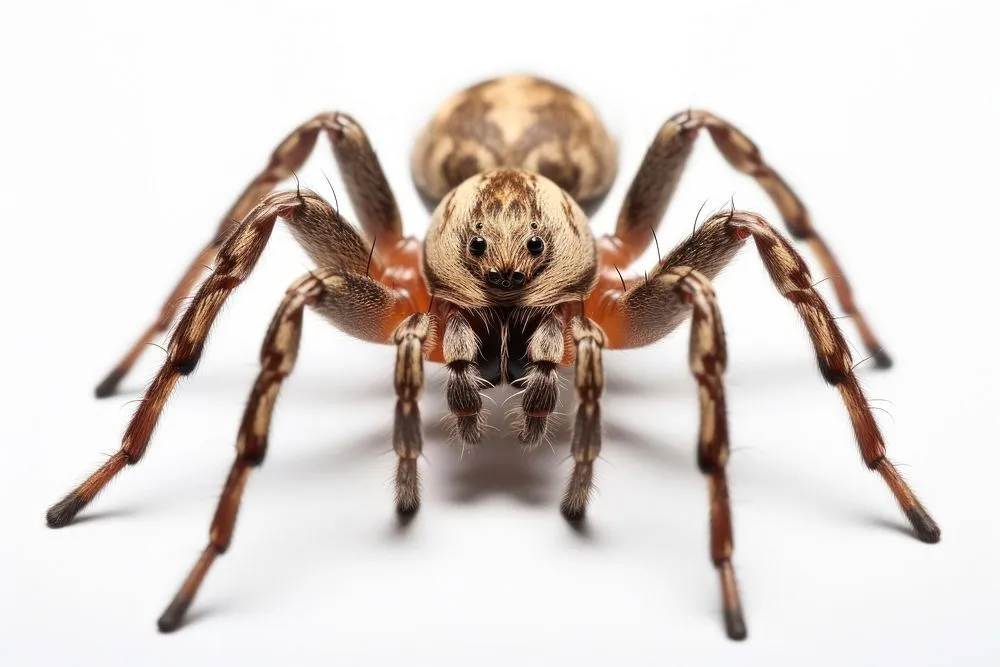
Tarantulas are large, hairy spiders belonging to the Theraphosidae family. These impressive arachnids are found in various habitats around the world, including deserts, grasslands, and tropical regions. Known for their size and often intimidating appearance, tarantulas are a fascinating subject of study. They differ significantly from many common spiders in terms of their physical characteristics, behaviors, and habitats. Understanding these differences is crucial to accurately identifying a tarantula and distinguishing it from other spider species. Despite their fearsome reputation, tarantulas are generally not aggressive and play an important role in their ecosystems. Their diet consists mainly of insects, but they can also consume small vertebrates. Recognizing the key features that set tarantulas apart from other spiders is the first step in proper identification.
Physical Characteristics of Tarantulas
Identifying a tarantula often begins with observing its physical traits. Several key characteristics can quickly help differentiate them from other spiders. Size, body shape, and the presence of hair are significant indicators. Additionally, the arrangement and type of eyes, along with the overall structure of the body, provide crucial clues. These features, when considered together, make it possible to distinguish a tarantula from its smaller, less hairy, and differently shaped cousins. Careful observation of these physical aspects is the cornerstone of accurate tarantula identification. Recognizing these details can prevent misidentification and help in understanding the spider’s true nature. These physical traits often reflect the spider’s lifestyle and environmental adaptations, making them a fascinating subject of study.
Size and Body Shape

One of the most apparent differences between tarantulas and other spiders is their size. Tarantulas are among the largest spiders in the world, with some species having a leg span that can reach up to 12 inches or more. Their bodies are also relatively robust, with a thick, rounded abdomen. In contrast, many common spiders are much smaller with more slender bodies. The size and shape are key indicators. The overall size and bulk of the tarantula are immediate giveaways, making it easier to spot in its environment. Comparing the proportions of the body, especially the ratio of body length to leg span, offers another crucial clue. This difference in body shape often reflects their hunting strategies and lifestyle, differentiating them from lighter-bodied spiders that rely more on agility.
Hairy Legs and Body
Tarantulas are known for their hairy appearance. Their bodies and legs are covered in numerous hairs, which serve several functions, including sensory perception and defense. These hairs, known as setae, can detect vibrations, allowing the tarantula to sense prey or potential threats. The density and type of hair are significant; tarantulas typically have denser, more pronounced hairs compared to other spiders. These hairs can also be urticating, meaning they can be released as a defense mechanism, causing irritation if they come into contact with skin or eyes. This feature is another distinguishing factor, making the tarantula’s appearance unique among spiders. Observing the hair density and texture is often a clear identifier, helping differentiate them from smoother-bodied spiders. The presence of urticating hairs, in particular, is a strong indication of a tarantula.
Distinctive Eyesight
While spiders generally have eight eyes, the arrangement and function of these eyes can vary greatly. Tarantulas typically have two rows of four eyes, and while their vision is not as sharp as some other predators, it is still sufficient for detecting movement and light changes. The way the eyes are positioned on the carapace, the top part of the cephalothorax (fused head and thorax), can also be a distinguishing characteristic. The shape of the eyes and their relative size can provide additional clues. However, this feature is harder to observe without close inspection. Though eye arrangement can vary slightly between species, the overall pattern provides a reliable indicator. Focusing on the placement and size of the eyes helps differentiate tarantulas from spiders with different visual adaptations, crucial for their survival in various environments.
Behavioral Traits Identifying Tarantulas

Behavioral traits are another important aspect of identifying tarantulas. Certain behaviors can help differentiate tarantulas from other spiders. Their web-building habits, defensive postures, and overall activity levels provide clues to their identity. By observing these behaviors, one can gather more evidence to confirm the identification. Understanding how tarantulas behave in different situations is crucial for accurate identification and appreciating their unique characteristics. This knowledge also aids in understanding their role within their ecosystems and how they interact with their environment. The combination of physical and behavioral characteristics is key to distinguishing them.
Web Building Habits
Tarantulas are not known for building elaborate webs like many other spiders. Instead, they typically live in burrows or retreats, often lined with silk to provide a secure and comfortable environment. They use silk for creating a web around their burrow entrances, sensing vibrations to detect prey. While some species may build basic webs, these are usually less complex than the intricate structures created by web-weaving spiders. Observing the presence or absence of webs can be a key indicator. If a spider is encountered without a complex web, and with a burrow or retreat, it could be a tarantula. This behavioral difference reflects the tarantula’s hunting strategy, where they ambush their prey rather than actively trapping them in webs. The silk is mainly for nest-building purposes instead of web-building.
Defensive Postures
When threatened, tarantulas display distinctive defensive postures. They may rear up, exposing their fangs, or raise their front legs to appear larger. They may also flick urticating hairs from their abdomen. These behaviors are characteristic of tarantulas and help distinguish them from spiders that use different defensive tactics, such as fleeing or hiding. These postures are meant to deter potential predators. Identifying these defensive behaviors is crucial to understanding whether you have encountered a tarantula. Recognizing these behaviors is essential for safe observation. Being aware of these defense mechanisms can also help in understanding the animal’s temperament and avoiding any potential harm.
Habitat and Environment

The environment and habitat where a spider is found can also help determine if it is a tarantula. They are typically found in specific types of environments that provide suitable conditions for burrowing and hunting. Knowing where tarantulas live, and the conditions they prefer, is essential for proper identification. Their choice of habitat is a reflection of their ecological needs and preferences, providing another clue in the identification process. Understanding their environmental preferences helps in both identifying and appreciating these creatures. Various factors, from soil type to climate conditions, are important factors for their survival.
Where Do Tarantulas Live?
Tarantulas are found in various regions around the world, particularly in warmer climates. They inhabit deserts, grasslands, rainforests, and other areas. Many species live in burrows they dig themselves or take over from other animals. Some species are arboreal, living in trees or on vegetation. The choice of location depends on the species and its specific needs for shelter, food, and protection. Knowing the typical habitats of tarantulas is the first step in narrowing down the possibilities. Spotting a large, hairy spider in a desert environment is more likely to be a tarantula than in a damp forest. Recognizing the common locations helps narrow down the search.
Ideal Environmental Conditions
Tarantulas thrive in specific environmental conditions. They prefer environments with moderate humidity, appropriate temperatures, and a suitable substrate for burrowing or creating retreats. They are often more active during the night and seek shelter during the day. Understanding these preferences is important when identifying tarantulas in the wild. They avoid extreme temperatures and prefer environments that provide shelter. The environmental conditions provide key clues for identification. Knowing these conditions helps in understanding their behavior and survival strategies. Factors such as soil type and vegetation also play a role in determining the ideal habitat for these spiders. They require specific conditions to thrive.
Common Spider Look-Alikes

Several spiders resemble tarantulas, making identification challenging. These look-alikes share some physical and behavioral traits but can be distinguished by careful observation of key characteristics. Understanding the differences between tarantulas and these similar species prevents misidentification. This comparison highlights features such as size, hair, and web-building patterns. The correct identification is essential for accurate species identification and responsible wildlife observation. The ability to differentiate between a tarantula and its look-alikes enhances our appreciation for their differences. Recognizing the variations between tarantulas and their similar counterparts is essential.
Wolf Spiders
Wolf spiders are often mistaken for tarantulas. They are robust and hairy, and they hunt their prey rather than building webs. However, wolf spiders are generally smaller, with less dense hair than tarantulas. Their eyes are also arranged differently, and they carry their egg sacs attached to their spinnerets, rather than tucked under the body as tarantulas do. They are more active hunters, often found running across the ground. Focusing on these characteristics is a great way to differentiate them. Comparing their size, hair density, and behaviors is key. The presence or absence of egg sacs is another distinct characteristic.
Funnel Web Spiders
Funnel web spiders, particularly those found in certain regions, can also resemble tarantulas. They build funnel-shaped webs, which are different from the burrows or simple retreats of tarantulas. They have a different body shape and less hair than tarantulas. The webs are a clear distinguishing factor. Their overall appearance and hunting methods are also distinct. These spiders rely on their webs to catch prey. Examining their web-building habits and body structure is a critical step. The difference in their silk structures highlights the differences between these two species.
Conclusion Tarantula Identification

Identifying a tarantula involves a combination of understanding its physical characteristics, behavioral traits, and habitat preferences. By examining size, body shape, hair, eye arrangement, and web-building habits, you can distinguish tarantulas from other spiders. Knowing their defensive postures and the type of environment in which they live also provides key clues. Careful observation and comparison with look-alikes like wolf spiders and funnel web spiders are crucial. With practice and attention to detail, identifying a tarantula becomes easier and more rewarding. This knowledge enables a deeper appreciation of these fascinating creatures. Accurate identification allows for a greater understanding of arachnid diversity and responsible wildlife observation.