What is Cartimar?
Cartimar is a bustling commercial area located in Binondo, Manila, Philippines, well-known for its diverse array of shops and businesses. Among the many attractions, the pet market within Cartimar stands out as a destination for exotic pet enthusiasts. It’s a place where you can find everything from dogs and cats to more unusual creatures like reptiles, birds, and, of course, tarantulas. The market’s vibrant atmosphere and the sheer variety of animals make it a unique spot for both buyers and curious onlookers. Navigating Cartimar can be an adventure, with a maze of stalls offering a wide range of pets, pet supplies, and related services. It’s essential to be prepared to spend some time exploring and comparing options, as the market is filled with different vendors offering various species and price points.
Overview of Cartimar’s Pet Market
The pet market in Cartimar is a microcosm of the exotic pet trade, offering a glimpse into the world of tarantulas, among many other creatures. Vendors often specialize in specific types of animals, so you’ll find stalls dedicated to reptiles, birds, and various other pets. The market operates on a cash basis, so it’s wise to bring enough cash for your purchases. The pet market is usually open throughout the week, but the best selection and the most active atmosphere are typically found on weekends. When you arrive, you’ll see a lively environment filled with potential buyers, sellers, and people just browsing. It’s a place to observe the market dynamics, compare the health and pricing of the tarantulas, and learn about the different species available.
Why Tarantulas are Sold in Cartimar

Tarantulas are sold in Cartimar because there’s a demand from hobbyists and pet owners who are fascinated by these arachnids. The market serves as a convenient hub where tarantulas can be easily sourced. The relatively low cost of tarantulas compared to other pets, along with the fascination with their unique appearance and behavior, drives their popularity. The pet market offers a location where sellers can offer a large selection of species and where buyers can compare specimens from different vendors. The accessibility of Cartimar, combined with the availability of specialized pet supplies, makes it a convenient location for tarantula enthusiasts to acquire and care for their pets. However, it’s important to note that the sourcing of tarantulas may involve both legal and ethical considerations, including the origin of the tarantulas and the welfare standards of the market.
Common Tarantula Species Found
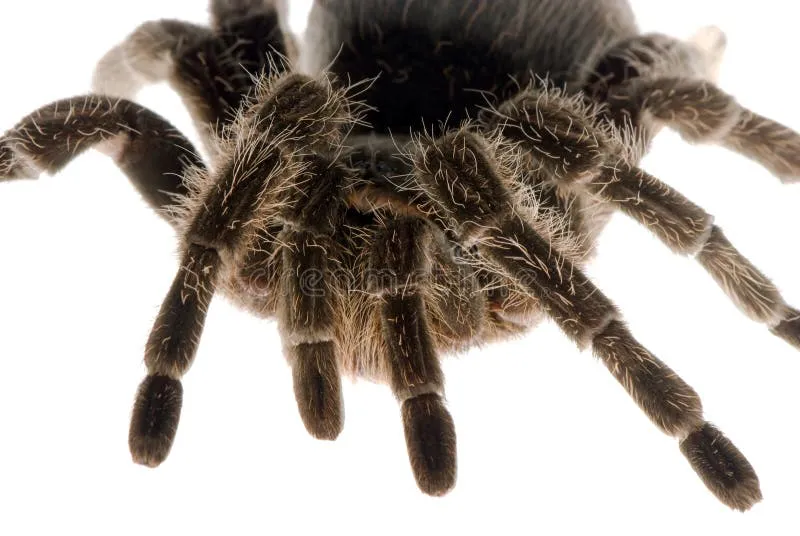
In Cartimar, you’ll often find a variety of tarantula species, ranging from beginner-friendly options to those that require more experienced care. The most common species include the Chilean Rose Hair tarantula (Grammostola rosea), known for its docile nature and attractive appearance. Other popular choices are the Mexican Red Knee tarantula (Brachypelma hamorii), which is known for its vibrant colors and manageable size. You might also encounter species like the Pinktoe tarantula (Avicularia avicularia), recognized for its arboreal lifestyle and vibrant colors. The availability of species varies depending on the season and vendor selection, but the pet market usually caters to a wide spectrum of enthusiasts. When browsing, it’s important to understand the temperament and care requirements of each species, as they can vary significantly.
Popular Tarantula Choices
Popular tarantula choices in Cartimar are those that balance beauty, manageable care needs, and reasonable costs. The Chilean Rose Hair, often a favorite among beginners, is known for its calm demeanor and simple care requirements. Its relatively small size and gentle nature make it a perfect first pet for those new to tarantulas. The Mexican Red Knee is another sought-after species, treasured for its striking red and black markings and moderate care needs. It offers a visually appealing aesthetic and can be kept by those with some previous pet experience. The availability of specific species changes, so it’s essential to be adaptable and ready to consider different options if you don’t find your first choice. The best choice will vary based on your experience, budget, and personal preferences for appearance and temperament.
Factors to Consider When Buying

When buying a tarantula in Cartimar, there are several factors you should consider to ensure you get a healthy pet. First, always evaluate the tarantula’s health and physical condition. Look for a spider that is active, alert, and has a good appetite. Avoid spiders with missing limbs, signs of parasites, or any other obvious health issues. Examine its abdomen for any signs of injury or unusual swelling. Secondly, factor in the tarantula’s species, as different species have varying care requirements. Research the species’ natural habitat, temperament, and dietary needs to ensure you can provide the right environment. Lastly, consider the vendor’s reputation and the conditions of their stalls. A reputable vendor will provide a clean environment and answer your questions, giving you a better chance of acquiring a healthy tarantula.
Health and Appearance
Health and appearance are key indicators of a healthy tarantula. Look for a tarantula with a robust, well-proportioned body. The abdomen should be full, but not overly distended or shrunken. Examine the legs for any missing or damaged limbs, which could indicate a recent injury or poor handling. The fangs should be intact, and the chelicerae (the mouthparts) should be in good condition. A healthy tarantula will generally have a vibrant appearance, with clear and bright colors characteristic of its species. Avoid tarantulas that appear lethargic, exhibit signs of illness such as runny feces, or have any visible parasites. Be sure to inquire about the tarantula’s recent molting history, as this can affect its activity level and appearance.
Temperament and Care
Temperament and care requirements also greatly influence the tarantula you choose. Some species, like the Chilean Rose Hair, are known for their docile nature, which makes them ideal for beginners. Others, like the Mexican Red Knee, may be more skittish but are usually manageable. Research the particular species’ temperament to know what to expect in terms of handling and overall behavior. Care requirements vary depending on the species, including aspects such as humidity, temperature, and substrate. Some tarantulas need a dry environment, while others require high humidity levels. Before buying, ensure you know the correct substrate, heat source, and other requirements to create a comfortable habitat. Make sure you’re well-informed about the amount of feeding needed and the overall maintenance of your new pet.
Where to Find Tarantulas in Cartimar

Tarantulas in Cartimar are typically found in the pet market section, where various vendors specialize in exotic pets. This area is usually located near the main entrance or in a central location within the Cartimar complex. To locate the vendors selling tarantulas, it’s recommended to ask around or explore the market’s pet section. Many vendors may display their tarantulas in clear plastic containers or terrariums, allowing you to observe the spiders before purchase. Always take your time to compare different vendors, as their offerings, species, and pricing might vary. Vendors often have other pet supplies, such as enclosures, substrate, and food, in addition to the tarantulas themselves. Look for vendors that are knowledgeable and willing to provide advice on tarantula care, as this can often be a good indicator of their expertise.
Specific Stalls and Vendors
Although specific stall names and vendor locations might change, certain vendors specialize in exotic pets, including tarantulas, in Cartimar. Asking around the market is the best way to find current vendors. These specialized vendors typically have a good selection of tarantulas, along with the supplies needed for their care. When visiting these stalls, check for clean and well-maintained enclosures, which is an important sign of the vendor’s commitment to animal welfare. Good vendors are typically knowledgeable about the different species they sell, able to provide detailed information about their care requirements, and prepared to answer your questions. Remember that the vendors and their offerings change, so a bit of exploration is often required to locate them. Engaging with vendors and asking about their care practices can help you make an informed decision.
Tips for Choosing a Healthy Tarantula
Choosing a healthy tarantula in Cartimar requires close observation and critical thinking. Start by carefully inspecting the tarantula’s physical condition. Look for any signs of injuries, such as missing legs or damaged fangs. The abdomen should be a healthy size, not too shrunken or distended. Avoid tarantulas that appear lethargic, as this could be a sign of illness or stress. Observe the tarantula’s behavior. A healthy tarantula is generally active and responsive to its environment. If possible, ask the vendor to handle the tarantula, and assess its temperament and responsiveness. Be cautious of tarantulas that seem overly aggressive or unusually docile. Furthermore, don’t hesitate to ask the vendor questions. Ask about the tarantula’s feeding history, molting cycle, and the type of care it has been receiving. This helps determine if the tarantula has been adequately cared for.
Inspect Carefully

Carefully inspect the tarantula’s physical condition, looking for any visible health issues. Check the abdomen for any signs of injury or parasites. The exoskeleton should be intact, without any damage. Look closely at the legs and fangs to make sure they are in good condition. Observe the tarantula’s movements to make sure it’s moving and responding normally. It’s also essential to check the enclosure for cleanliness and proper setup, as this can reflect the vendor’s care standards. Check for any signs of mites or other parasites, which can affect the spider’s health. A healthy tarantula should be alert, active, and responsive to its environment. Pay close attention to the details to ensure you select a healthy specimen.
Ask Questions
Don’t hesitate to ask the vendor questions about the tarantula’s health and care. Ask about the tarantula’s feeding habits. Find out what type of food it has been eating and how often it is fed. Inquire about the molting history. Molting is a crucial part of a tarantula’s life cycle, so knowing when the spider last molted will give you insights into its growth and health. Ask about the spider’s temperament and the ease with which it can be handled. If you’re a beginner, ask for species recommendations that are considered beginner-friendly. Good vendors are generally knowledgeable and willing to share important information. They are an essential resource. Take notes, and compare the information received from different vendors to make the best possible decision.
After Purchase
After purchasing your tarantula, it’s important to properly set up its new home and provide appropriate care. This ensures the spider thrives in its new environment. The first step is to prepare a suitable enclosure. A secure enclosure is crucial. The enclosure should be large enough for the tarantula to move around comfortably and it should be properly ventilated to prevent the buildup of humidity. Fill the enclosure with the appropriate substrate for the tarantula’s species. Substrate provides a place for the tarantula to burrow, and also helps to retain moisture. The enclosure should have a water dish with fresh, clean water available at all times. After setup, it’s essential to begin feeding the tarantula the correct type of food. Proper care is crucial for the health and happiness of your tarantula.
Setting Up the Habitat

Setting up the right habitat is essential for a healthy tarantula. Choose an enclosure that is appropriate for the tarantula’s species and size. Glass terrariums or plastic enclosures with secure lids are common choices. Ensure the enclosure has proper ventilation to prevent the buildup of excess humidity. The appropriate substrate is crucial for providing a comfortable environment. Coconut fiber, peat moss, and vermiculite are popular choices. The substrate should be deep enough for burrowing species to create burrows. Add a water dish with fresh, clean water at all times. Decorate the enclosure with appropriate elements. Provide hiding places for the tarantula to feel safe, such as cork bark or artificial plants. Monitor the temperature and humidity levels in the enclosure. The right temperature and humidity levels are essential for a tarantula’s well-being.
Feeding and Care
Feeding and care practices are crucial for the health and longevity of your tarantula. Feed your tarantula the appropriate food. Crickets, roaches, and mealworms are commonly used. The frequency of feeding depends on the tarantula’s age, species, and size. Young tarantulas need to be fed more frequently. Provide fresh water at all times, replenishing the water dish regularly. Avoid handling the tarantula unless absolutely necessary. If you must handle it, do so with caution, using a soft brush to gently guide the tarantula. Regularly clean the enclosure. Remove any uneaten food, old molts, and waste. Adjust the temperature and humidity levels as required. Monitor the tarantula’s behavior for any signs of illness or distress. If you notice any unusual behavior, consult with an expert. Proper feeding, maintenance, and observation can ensure that your tarantula lives a long and healthy life.
Potential Risks and Considerations
Buying tarantulas, like any pet, comes with potential risks and ethical considerations. Allergies are a common risk. Some people are allergic to tarantula hairs, which can cause skin irritation or respiratory issues. Handling a tarantula may result in bites, which can be painful. Research the specific species’ venom toxicity to know what to expect. Tarantulas require specialized care, including appropriate housing, temperature, humidity, and diet. These care requirements can require considerable time and effort. It’s essential to consider the financial commitment, as tarantulas can be expensive. Ensure you can handle the costs of the initial purchase, the setup, and the ongoing care. In addition, you should also consider the ethical implications of keeping tarantulas in captivity. Always prioritize the welfare of the animal and make sure you can meet its needs.
Regulations and Legality

Before purchasing a tarantula, you should be aware of any relevant regulations and the legality of owning these creatures in your area. Some species might be protected under local, national, or international laws, which may restrict their sale or ownership. Check local regulations. Some cities or regions may have restrictions on owning exotic pets. Inquire about permits. In some cases, you may need a permit to keep a tarantula. Make sure you comply with all legal requirements to avoid penalties. Be aware of any restrictions on the import and export of tarantulas. These regulations are important. They’re designed to protect both the animals and the environment. Compliance with the regulations can ensure you are on the right side of the law and that you are contributing to the ethical practices in the pet trade.
Ethical Considerations
When buying a tarantula in Cartimar, consider the ethical implications of your purchase. Think about the sourcing of the tarantulas. Try to find out where they originate. It’s important to be aware of whether the tarantulas are captive-bred or wild-caught. Captive-bred tarantulas are generally more sustainable and less likely to have an impact on wild populations. Assess the welfare of the tarantulas. Observe their living conditions, including the size of the enclosures and the availability of resources. Avoid purchasing tarantulas from vendors who don’t prioritize animal welfare. Support ethical vendors. Ethical vendors put the health and well-being of the animals first, providing clean and appropriate environments. By making informed choices, you’re supporting ethical practices within the pet trade and ensuring the well-being of the tarantulas.
Conclusion
Buying a tarantula in Cartimar can be an exciting experience. However, it’s essential to be well-informed, prepared, and responsible. Research is key to understanding the different species, their care requirements, and the potential risks involved. When you go to the market, take your time, inspect the spiders, and ask questions. When you buy a tarantula, make sure to prioritize its health and well-being. By following the tips and advice presented in this guide, you can ensure a rewarding experience and build a fulfilling connection with these fascinating creatures. Always approach the buying process responsibly, ensuring that you are ready and able to provide a proper habitat, diet, and the care a tarantula needs. By making ethical choices, you can contribute to responsible practices within the exotic pet trade.