What are Tarantulas and Where Do They Live?
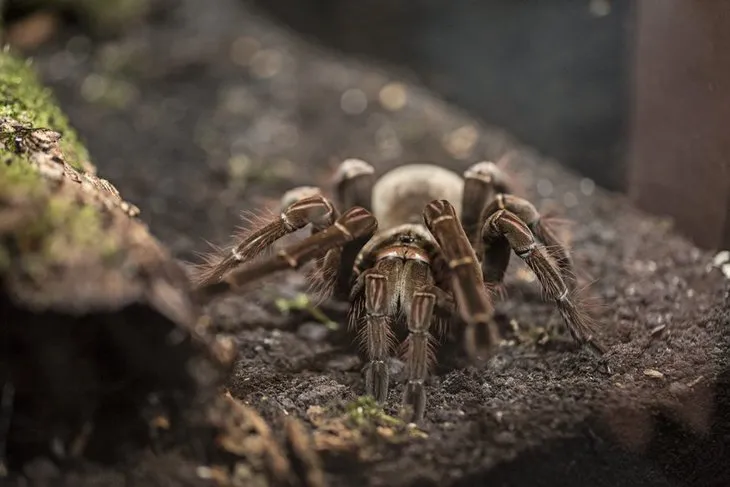
Tarantulas are large, hairy spiders belonging to the Theraphosidae family. These arachnids are found in various habitats around the world, primarily in tropical and subtropical regions. They are known for their impressive size, often with leg spans exceeding six inches. While the idea of encountering a tarantula in a place like London might seem far-fetched, understanding their natural habitats is the first step in addressing any potential concerns or surprising encounters. Tarantulas typically live in burrows, under rocks, or in trees, depending on the species and environment, and can be a fascinating subject of study.
The Different Types of Tarantulas
There are over 900 species of tarantulas, each with unique characteristics and habitats. They range in color from browns and blacks to vibrant blues, oranges, and reds. Some popular pet tarantula species include the Chilean Rose Hair, the Mexican Red Knee, and the Brazilian Black. While these species are popular in the pet trade, they are not typically found in the wild in the UK. Understanding the diversity of tarantulas is important, as the likelihood of encountering one in London is highly dependent on the species in question. The vast majority of tarantula species prefer warmer climates, making a natural occurrence in London highly unlikely, but not impossible.
Are Tarantulas Native to London?

No, tarantulas are not native to London or the UK. The climate in London is not suitable for their survival in the wild. Tarantulas require warm temperatures and specific humidity levels, which are not consistently found in the UK. While the idea of seeing a tarantula roaming free in London might be a thrilling thought for some, it is, in reality, highly improbable. Any tarantula found in London would most likely be a pet that has escaped or been released, and would struggle to survive due to the unsuitable environmental conditions and lack of native food sources. Therefore, the chances of a wild tarantula population establishing itself in London are virtually nonexistent.
The Truth about Tarantula Sightings
Sightings of tarantulas in London are rare and usually involve escaped pets or deliberate releases. These instances often make local news, but they are far from a common occurrence. When a tarantula is sighted, it’s crucial to consider the origin of the spider. Was it a pet that escaped its enclosure? Was it deliberately released? These factors significantly impact how the sighting should be handled. The public should approach such encounters with caution, maintaining a safe distance and reporting the sighting to the appropriate authorities or animal control. The presence of a tarantula in London is almost always an isolated incident, a testament to the challenges tarantulas face in surviving outside their natural habitat.
Fact 1 Tarantulas Can be Pets
Many people keep tarantulas as pets due to their relatively low maintenance and fascinating appearance. However, owning a tarantula comes with significant responsibility. They require a specific environment, including a temperature-controlled enclosure, appropriate substrate, and a diet of live insects. Potential owners should research the specific needs of their chosen species to ensure they can provide proper care. The popularity of tarantulas as pets also raises important questions about responsible ownership, escape prevention, and the potential impact on local ecosystems if a pet escapes. These aspects are crucial for anyone considering owning a tarantula, and should be approached with care and commitment.
Fact 2 Tarantulas are Venomous

Tarantulas are venomous, but their venom is generally not considered life-threatening to humans. Their venom is primarily used to subdue prey, such as insects, and the effects of a bite are usually similar to a bee sting. Symptoms may include localized pain, redness, and swelling. However, individuals with allergies to insect venom may experience more severe reactions. It’s important to avoid handling tarantulas to minimize the risk of being bitten. If a bite does occur, wash the area with soap and water and seek medical attention if symptoms worsen or if you have known allergies. This fact is essential for anyone encountering or considering keeping a tarantula.
Fact 3 Tarantulas are Long-Lived
Tarantulas can live for many years, with some females living for over 20 years in captivity. This long lifespan is a significant factor for potential pet owners to consider, as they require a long-term commitment to their care. Males typically have shorter lifespans, often only living for a few years after reaching maturity. The longevity of tarantulas contributes to their appeal as pets, but it also means that owners must be prepared for the extended responsibility of caring for them. Understanding the lifespan of a tarantula is crucial for planning and ensuring the animal’s well-being throughout its life, and should be an important consideration before deciding to keep a tarantula.
Fact 4 Tarantulas and their Habitats
In their natural habitats, tarantulas play a vital role in the ecosystem. They are predators, controlling populations of insects and other small invertebrates. The tarantula’s habitat can vary considerably depending on the species, but most prefer warm, humid environments. Some species live in burrows they dig themselves, while others utilize existing shelters, such as under rocks or in tree crevices. Understanding their habitat requirements is vital for successful captive care. Replicating the conditions of a tarantula’s natural environment helps ensure its health and well-being, therefore it’s crucial to know more about tarantulas habitats and what they need to live a healthy life, particularly if you have one as a pet.
Fact 5 Tarantulas are Sensitive Creatures

Tarantulas are sensitive creatures, especially to vibrations, sudden movements, and changes in their environment. They can be easily stressed, which can lead to changes in behavior and even health problems. Proper handling, a stable environment, and a consistent routine are essential for their well-being in captivity. Pet owners should avoid unnecessary handling and provide a secure, quiet enclosure. Minimizing stress is key to ensuring a tarantula lives a long and healthy life. The sensitivity of tarantulas to their environment highlights the importance of understanding and respecting their needs. Providing a stable and predictable environment will allow your tarantula to thrive.
What to do if you See a Tarantula in London?
If you encounter a tarantula in London, the best course of action is to maintain a safe distance and observe it from afar. Do not attempt to handle or approach the spider. Contact the local animal control or a wildlife expert. They are equipped to safely capture and assess the situation. Avoid unnecessary risks; your safety and the spider’s welfare are the priorities. Reporting the sighting helps authorities manage the situation and prevent any potential ecological impacts. When in doubt, it’s always better to err on the side of caution and seek professional assistance. Taking these steps will ensure that the tarantula is handled appropriately, and that both you and the spider remain safe.