Prepare Before You Go
Venturing to Tarantula Island can be an incredible experience, but it demands thorough preparation. This guide provides essential tips to ensure a safe and memorable adventure. Before even considering the journey, prioritize understanding the risks and rewards. Researching the island’s environment, the local wildlife, and the necessary precautions is paramount. Ignoring these preliminary steps could lead to dangerous situations and ruin what should be an exciting opportunity. Remember, respect for the island and its inhabitants is the foundation of a successful trip. Always prioritize your well-being.
Research the Island
Comprehensive research forms the cornerstone of any successful trip to Tarantula Island. Begin by gathering information about the island’s climate, terrain, and typical weather patterns. This knowledge will help you pack appropriate clothing and gear. Next, delve into the specifics of the local ecosystem. Learn about the types of tarantulas and other potentially dangerous wildlife you might encounter, as well as the less threatening flora and fauna. Understanding their behavior and habitat will enable you to move with caution and respect while exploring the island. This includes studying up-to-date travel advisories and any specific guidelines issued by local authorities or conservation groups.
Essential Supplies

Packing the right supplies is crucial for survival and enjoyment on Tarantula Island. Start with high-quality insect repellent containing DEET. Include sturdy hiking boots, long-sleeved shirts, and pants to protect against bites and scratches. A well-stocked first-aid kit is non-negotiable. Include bandages, antiseptic wipes, pain relievers, and any personal medications. Pack plenty of water and non-perishable food items, as access to resources might be limited. Don’t forget a map, compass, and a fully charged communication device. Consider bringing a portable power bank, as charging opportunities may be scarce. Finally, a lightweight backpack is helpful for carrying all your essential supplies.
Navigation and Orientation
Navigating Tarantula Island safely requires a good understanding of map reading, compass use, and basic orientation skills. Before your trip, familiarize yourself with the island’s topography and any marked trails or paths. Download offline maps on your phone, as internet connectivity could be unreliable. Always carry a physical map and compass as backups. Regularly check your position and be aware of your surroundings. If you’re unsure about your location, retrace your steps or seek assistance from locals if available. Mark your progress, and never venture out without a clear plan and an understanding of how to return safely. Knowing your bearings prevents you from becoming lost or disoriented.
Embrace the Adventure
Identify Tarantulas

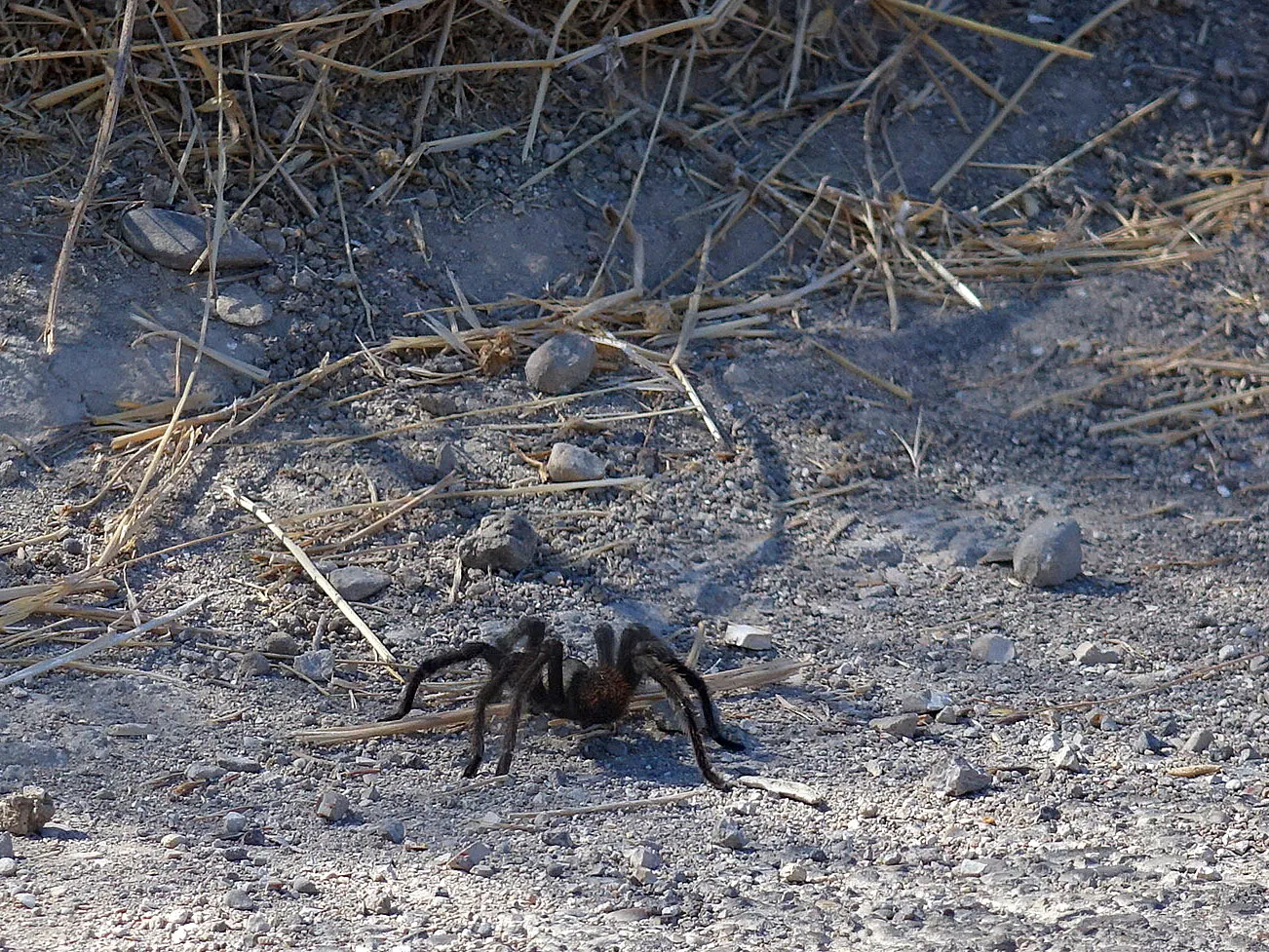
Knowing how to identify different species of tarantulas is an important skill for anyone exploring Tarantula Island. Familiarize yourself with their physical characteristics, including size, color, and distinctive markings. Observe their behavior and habitat preferences. Some species prefer burrows, while others may be found in trees or under rocks. Always maintain a safe distance and avoid approaching or disturbing them. Use reliable field guides and online resources to help you differentiate between species. Consider documenting your observations with photos, but prioritize your safety and the tarantulas’ well-being above all else. Proper identification allows you to appreciate their beauty while reducing the risk of encountering a more dangerous variety.
Observe from a Safe Distance
Observing tarantulas in their natural habitat can be a fascinating experience, but safety should always be the top priority. Maintain a respectful distance, ideally using binoculars or a telephoto lens to get a better view. Avoid any sudden movements or loud noises that could startle them. Never attempt to handle or provoke a tarantula, as this can lead to a defensive response such as a bite. Be mindful of your surroundings and watch out for other potential hazards, like uneven terrain or the presence of other wildlife. Patience is key; observing tarantulas takes time and a keen eye. Remember that your primary goal should be to appreciate their beauty and behavior without putting yourself or the tarantulas at risk.
Respect Their Habitat
Respecting the tarantulas’ habitat is essential for their survival and the preservation of the island’s ecosystem. Avoid disturbing or damaging their burrows or any other areas where they might live. Stay on marked trails and avoid trampling vegetation. Do not litter, and pack out everything you pack in. Leave no trace of your visit. Be mindful of noise pollution, and avoid using flash photography, which can be disruptive to the tarantulas and other wildlife. Support local conservation efforts and educate yourself about the importance of preserving biodiversity. By showing respect for the environment and the creatures that live there, you contribute to the long-term sustainability of Tarantula Island.
Safety First
First Aid Kit
A well-stocked first-aid kit is crucial for dealing with unexpected injuries on Tarantula Island. Include essential items like bandages, antiseptic wipes, pain relievers, and any personal medications. Pack antihistamines for allergic reactions, and consider including a snake bite kit, if recommended by local authorities. Learn basic first aid techniques, including how to treat bites and stings. Ensure you have supplies to treat minor cuts and scrapes. Keep your kit readily accessible and know how to use each item. Regularly check your first-aid kit to ensure that all supplies are in good condition and that any medications haven’t expired. Remember that prompt and effective first aid can make a significant difference in an emergency.
Emergency Contacts
Before embarking on your adventure to Tarantula Island, gather a list of essential emergency contacts. This should include local emergency services, such as police and medical assistance, as well as any local guides or authorities you may be working with. Ensure your communication device is fully charged and functional, and familiarize yourself with any available communication methods. Share your itinerary and emergency contact information with a trusted friend or family member. Learn how to use the emergency services and be aware of their response capabilities. In case of an emergency, be prepared to provide your exact location and a clear description of the situation. Having these contacts at your fingertips can significantly speed up the response time and ensure your safety.
Dealing With Bites or Stings

If you are bitten or stung by a tarantula or other potentially dangerous insect, remain calm and immediately assess the situation. Wash the affected area thoroughly with soap and water. Apply a cold compress to reduce swelling and pain. Seek medical attention if you experience severe symptoms, such as difficulty breathing, swelling, or signs of infection. Bring a sample of the insect or provide a detailed description to help with diagnosis and treatment. If bitten, avoid strenuous activity and seek rest to allow your body to heal. Follow all medical advice and be prepared to take any prescribed medications. Prevention is always better than cure, so practice caution and follow the safety precautions provided.
Exploring the Island’s Ecosystem
Discovering Unique Flora
Tarantula Island is home to a unique and diverse range of flora, adapted to the island’s specific climate and environment. Exploring the island’s plant life can be an enriching experience. Observe the vegetation around you, noting any unique species. Learn to identify plants, but avoid touching or ingesting anything you are unsure about. Be mindful of the plants’ fragility and their importance in the ecosystem. Document your findings with photos, but prioritize conservation and leave the natural environment undisturbed. Take the opportunity to learn about the local plants and their uses. Respect for the local plant life helps preserve the overall beauty and ecological balance of Tarantula Island.
Understanding the Fauna

Beyond the tarantulas, Tarantula Island is likely to harbor other fascinating fauna. Take the opportunity to observe any wildlife you encounter, but always maintain a respectful distance. Research the local animals beforehand. Understand their behavior, and avoid disturbing their habitat. Capture your observations by photographing or noting the species, but do so from a safe distance. If you encounter any unfamiliar animals, consult a field guide. Understanding the variety of the fauna will deepen your appreciation for the island’s ecosystem. Remember that you are a visitor in their home, so respect their privacy and safety.
Capturing Memories
Photography Tips
Photography is a great way to capture the beauty of Tarantula Island. Use a camera with a good zoom lens to safely photograph the tarantulas and the island’s other wildlife. Prioritize capturing the animals in their natural habitat. Use natural light whenever possible, and avoid using flash photography, which can disturb the tarantulas. Respect the animals and environment by keeping your distance. Be mindful of the background and composition to create aesthetically pleasing shots. Use a tripod to ensure sharp images, especially in low-light conditions. Most importantly, enjoy the process and the opportunity to document the wonders of Tarantula Island. Remember to back up your photos to prevent any loss of precious memories.
Responsible Tourism

Responsible tourism is essential for preserving the unique ecosystem of Tarantula Island. Minimize your environmental impact by staying on designated trails and avoiding any activities that could harm the local wildlife or habitat. Respect the local culture and customs. Support local businesses and services. Educate yourself about the island’s conservation efforts and contribute to their success. Reduce waste, and always pack out everything you pack in. Before you leave, take a final look at your surroundings, and ensure that you leave the island exactly as you found it. By embracing responsible tourism practices, you can contribute to the long-term health of Tarantula Island and ensure that future generations can also experience its beauty.
Visiting Tarantula Island can be a thrilling adventure. By carefully preparing, staying informed, practicing safety precautions, and respecting the environment, you can create a trip filled with lasting memories.