Top 5 Tarantula Killers Unveiled
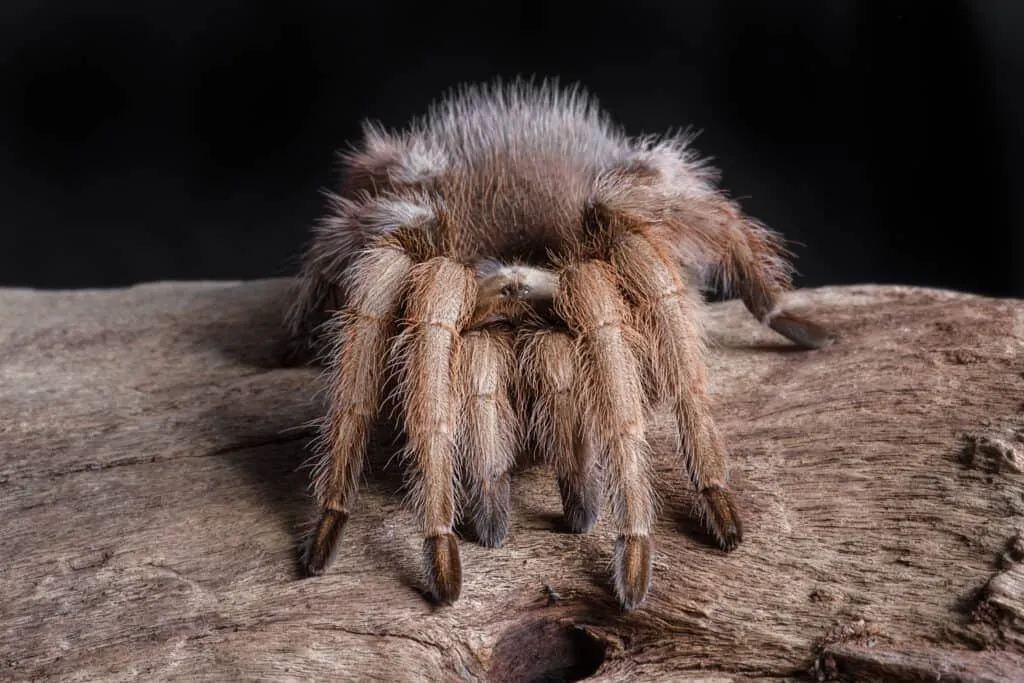
Tarantulas, with their impressive size and formidable fangs, often evoke a sense of awe and fear. However, these fascinating arachnids face numerous threats in their natural habitats. Understanding what kills tarantulas is crucial for appreciating their place in the ecosystem and for conservation efforts. From natural predators to environmental factors and human activities, the challenges these spiders face are diverse and complex. This article unveils the top five threats to tarantulas, shedding light on the forces that shape their survival.
Predators in the Wild
In the wild, tarantulas are preyed upon by a variety of animals, each presenting a unique challenge to their survival. These predators have evolved strategies to overcome the tarantula’s defenses, making them formidable opponents. The presence of predators significantly impacts tarantula populations, influencing their behavior, habitat selection, and overall population dynamics. Understanding the range of predators is important for grasping the ecological role tarantulas play and the threats they face in the natural world.
Birds of Prey

Birds of prey, such as hawks and owls, are among the most significant predators of tarantulas. These birds possess sharp talons and excellent eyesight, allowing them to spot tarantulas from a distance and swiftly swoop down for an attack. The aerial advantage enables them to hunt tarantulas in various terrains, including open fields and forests. Their predatory behavior directly impacts tarantula populations, particularly juveniles and smaller species, which are more vulnerable to avian predation. The birds’ hunting tactics and the tarantulas’ defensive strategies create a constant dynamic in the ecological balance.
Mammals
Various mammals, including opossums, foxes, and even some species of monkeys, also prey on tarantulas. These animals are often opportunistic hunters, taking advantage of any available food source. Mammals employ a range of hunting strategies, such as digging up burrows or ambushing tarantulas as they move across the ground. Their impact on tarantula populations depends on the specific mammal species and the availability of other food sources. The interaction between mammals and tarantulas highlights the complexity of predator-prey relationships in the ecosystem.
Reptiles and Amphibians
Reptiles and amphibians, such as snakes and large frogs or toads, can also be predators of tarantulas, particularly in certain habitats. These animals are well-equipped to hunt tarantulas, using their speed, agility, and venom (in the case of some snakes) to subdue their prey. The risk posed by reptiles and amphibians varies depending on the geographic location and the specific species of tarantula. The presence of these predators adds another layer of complexity to the challenges faced by tarantulas in their environment.
Parasites and Diseases

Beyond predators, tarantulas are also susceptible to various parasites and diseases. These threats can weaken the spiders, making them more vulnerable to other dangers or directly leading to their demise. Parasites and diseases can spread through tarantula populations, especially in environments where spiders are densely populated. Understanding these threats is essential for comprehending the overall health and survival of tarantulas.
Fungal Infections
Fungal infections pose a significant threat to tarantulas. Spores of various fungi can enter the tarantula’s body through wounds or the respiratory system, leading to debilitating or fatal infections. The warm and humid environments favored by tarantulas often create ideal conditions for fungal growth. These infections can spread quickly, especially in captive environments where hygiene might be an issue. The impacts of fungal infections highlight the importance of maintaining optimal conditions to protect tarantulas from these threats.
Viral and Bacterial Infections
Like other living organisms, tarantulas can contract viral and bacterial infections. These infections can weaken the spider’s immune system, leading to illness and, in severe cases, death. The specific types of viruses and bacteria that affect tarantulas are still under investigation, but their presence underscores the importance of understanding and preventing the spread of disease. The impact of such infections can be especially severe in captive tarantula populations, where disease transmission can occur rapidly.
Environmental Hazards

Environmental hazards, such as extreme temperatures and natural disasters, can also significantly impact tarantula survival. These factors can disrupt their habitats, limit their access to resources, and directly threaten their lives. Understanding how environmental hazards affect tarantulas is essential for appreciating the challenges they face and the importance of conservation efforts to mitigate these risks.
Extreme Temperatures
Tarantulas are ectothermic animals, meaning their body temperature depends on their environment. Extremely high or low temperatures can be lethal to tarantulas. Prolonged exposure to excessive heat can lead to dehydration and heatstroke, while freezing temperatures can cause cellular damage. The tarantula’s survival is closely tied to its ability to regulate its body temperature through behavioral adaptations, such as burrowing or seeking shade. Climate change may exacerbate the effects of extreme temperatures, posing an increasing risk to tarantula populations.
Floods and Natural Disasters
Floods, wildfires, and other natural disasters can have devastating effects on tarantula populations. Floods can drown tarantulas or displace them from their habitats, while wildfires can destroy their burrows and food sources. These events can cause significant mortality and disrupt the ecosystem in which tarantulas live. The impact of natural disasters underscores the vulnerability of tarantulas and the need for conservation strategies to help them recover from these events.
Human Impact

Human activities have a significant impact on tarantula populations, often leading to habitat destruction and other threats. Understanding the ways in which humans affect tarantulas is critical for conservation efforts and for promoting sustainable practices. Human activities can directly and indirectly affect tarantula survival.
Habitat Destruction
Habitat destruction, primarily due to deforestation, urbanization, and agricultural expansion, is a major threat to tarantulas. As their habitats are destroyed, tarantulas lose their homes, food sources, and shelter, leading to population declines. The loss of habitat fragments populations, making them more vulnerable to other threats. Conservation efforts that focus on protecting and restoring tarantula habitats are essential for the survival of these fascinating arachnids.
Pesticide Use
The use of pesticides in agriculture and pest control poses a significant threat to tarantulas. Pesticides can directly poison tarantulas or contaminate their food sources, leading to illness and death. The impact of pesticides can be particularly severe because they can spread through the environment, affecting multiple species. The use of pesticides highlights the need for responsible pest management practices that consider the impact on non-target species, including tarantulas.
In conclusion, understanding what kills tarantulas is vital for their conservation. From predators and parasites to environmental hazards and human activities, tarantulas face a multitude of threats. By raising awareness about these dangers and supporting conservation efforts, we can contribute to the preservation of these remarkable creatures for future generations. Protecting their habitats and mitigating the impact of human activities are essential steps in ensuring the survival of tarantulas.