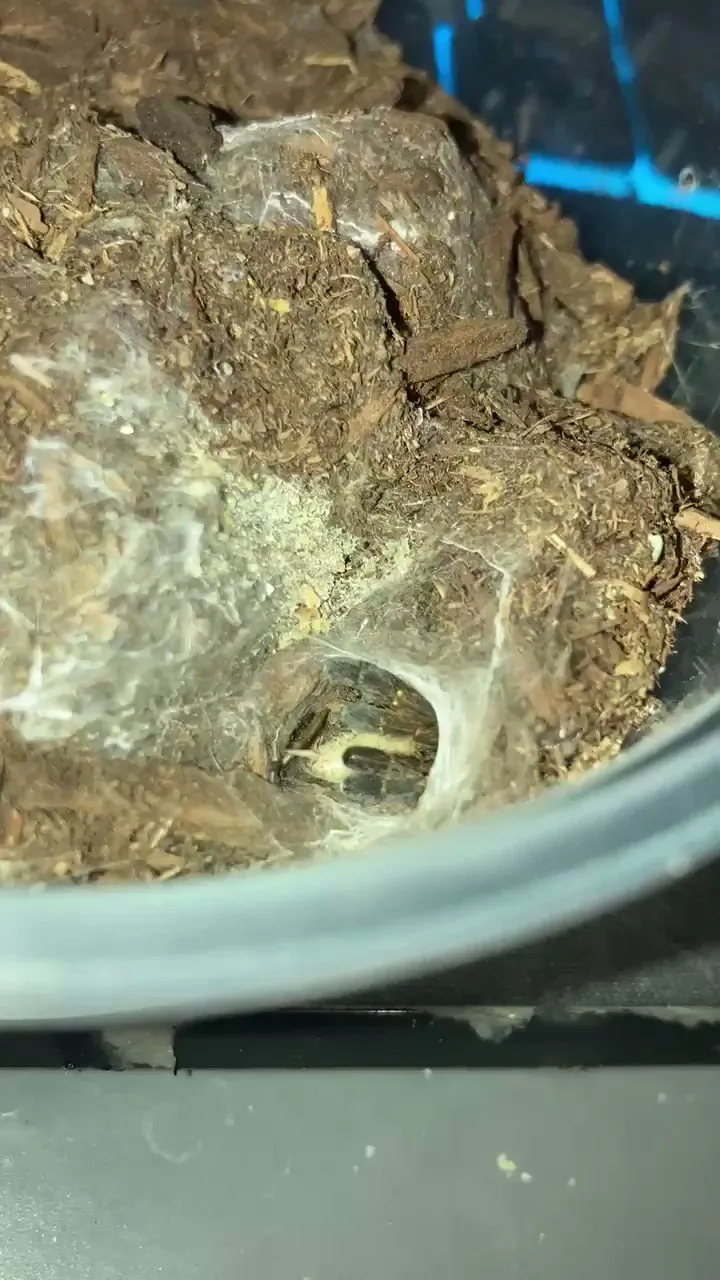
Creating the perfect tarantula lair is essential for the health and well-being of your eight-legged friend. A well-designed habitat mimics their natural environment, providing security, promoting natural behaviors, and allowing you to observe these fascinating creatures. This guide will walk you through every step of creating an ideal tarantula lair, ensuring your pet thrives. From choosing the right enclosure size to providing the correct substrate, humidity, and decorations, we’ll cover all the essential elements.
Planning Your Tarantula Lair
Before you even think about assembling the habitat, careful planning is crucial. This stage involves researching the specific needs of your tarantula species and preparing all the necessary materials. Proper planning avoids costly mistakes and ensures a smooth setup process. Consider the size of the tarantula, its natural habitat, and its specific requirements in terms of humidity, temperature, and ventilation. These factors significantly influence the design of your tarantula lair. A well-planned habitat makes maintenance easier and provides a more enriching environment for your tarantula.
Choosing the Right Enclosure Size
The enclosure size is critical for your tarantula’s comfort and safety. A habitat that is too small can restrict movement and cause stress, while one that is too large can make it difficult for the tarantula to find food and feel secure. The general rule of thumb is to provide an enclosure that is at least three times the tarantula’s leg span in length and width. Height requirements vary depending on the species; arboreal tarantulas need taller enclosures to accommodate their climbing habits, whereas terrestrial species do well in wider, shorter enclosures. Always consider the adult size of the tarantula when selecting the enclosure, not just its current size.
Considering the Tarantula Species

Different tarantula species have varying habitat needs. Research the specific requirements of your chosen species before purchasing any materials. Terrestrial tarantulas, like the Chilean rose tarantula, generally require a substrate that allows them to burrow and a relatively dry environment, while arboreal species, like the Greenbottle Blue, benefit from higher humidity and climbing structures. Some species are more sensitive to changes in temperature or humidity. Understanding these specific needs is essential to build a tarantula lair where your pet will thrive. This knowledge will also guide your decisions on substrate, decoration, and overall habitat design.
Selecting the Best Substrate
The substrate forms the foundation of your tarantula lair, providing a surface for your tarantula to walk on, burrow in, and regulate humidity. The ideal substrate should be absorbent, non-toxic, and capable of maintaining the required moisture levels. The choice of substrate significantly impacts the overall health and well-being of your tarantula. The right substrate helps control humidity, provides a surface for burrowing (for terrestrial species), and supports a healthy environment within the enclosure. Various options are available, each with its own benefits and drawbacks. Consider your species needs when making a selection.
Understanding Substrate Types
Several substrate options are popular for tarantula habitats. Coconut fiber is a widely used, highly absorbent substrate that retains moisture well. Sphagnum moss is another excellent option, especially for maintaining humidity in humid species. Peat moss can also be used, providing a good substrate for burrowing species. Avoid substrates that are treated with pesticides or chemicals. Mixing different substrates can also be beneficial to achieve the desired humidity and texture. For example, a mix of coconut fiber and peat moss provides good drainage and moisture retention. Always research what substrate is appropriate for the species you are housing.
Creating the Ideal Humidity

Maintaining the correct humidity level is critical for your tarantula’s health, particularly during the molting process. Different species require different humidity levels; generally, tropical species need higher humidity than desert species. Monitor the humidity levels using a hygrometer. To increase humidity, mist the enclosure with dechlorinated water, especially near the substrate. Good ventilation is also crucial to prevent mold and mildew growth. The substrate type also influences humidity; a substrate that retains moisture well, such as coconut fiber, will help maintain the desired level. Ensure adequate air circulation is also available.
Providing Essential Decorations
Decorations enrich the tarantula’s environment and provide security and enrichment. These elements give your tarantula a sense of security and allow it to express natural behaviors. Decorations also enhance the overall aesthetic of the habitat, making it more interesting to observe. Choose decorations that are safe, non-toxic, and appropriate for the tarantula’s species and size. Avoid sharp objects and any items that could potentially trap or harm your spider. Careful consideration of these elements will ensure your tarantula’s safety and well-being.
Adding Hides and Shelters
Hides and shelters are essential for providing your tarantula with a sense of security. Tarantulas are naturally shy and prefer to hide, especially during molting. Provide at least one hide, such as a cork bark hide, a half-log, or a commercially available spider hide. The hide should be large enough for the tarantula to fit comfortably but not so large that it feels exposed. The hide should allow your tarantula to feel safe and secure within its habitat. Positioning the hide in a partially hidden area can increase its effectiveness. Also, make sure the hide is stable and won’t collapse on your spider.
Including Live Plants or Artificial Alternatives

Live plants can enhance humidity and add a natural aesthetic to your tarantula lair. Choose plants that are non-toxic to tarantulas, such as snake plants or pothos. Before introducing live plants, ensure they are thoroughly cleaned and pesticide-free. Artificial plants are also a good option if you are not comfortable with live plants. They are easier to maintain and can provide similar benefits. Ensure the plants are securely anchored and won’t fall on your tarantula. A combination of both live and artificial plants can provide a visually appealing and functional habitat. The key is to select plants that complement the needs of your tarantula species.
Setting Up Heating and Lighting
Heating and lighting are crucial for maintaining the correct environmental conditions within the tarantula lair. While tarantulas do not require intense lighting, they benefit from a day-night cycle. Heating is necessary to maintain the appropriate temperature range for your tarantula species. The choice of heating and lighting equipment must be carefully considered to ensure the safety and well-being of the spider. Incorrect heating or lighting can lead to stress and health problems. Proper setup involves understanding the specific requirements of the tarantula species and selecting appropriate equipment.
Maintaining the Proper Temperature
Most tarantulas thrive in temperatures between 75-85°F (24-29°C). Monitor the temperature with a thermometer, ideally placed on the warmer side of the enclosure. Heating pads can be used to provide a consistent source of heat. Place the heating pad on the side or back of the enclosure, not directly under the substrate, to prevent overheating. Avoid using heat lamps, as they can dry out the enclosure and pose a fire hazard. Ensuring a stable temperature is essential for their metabolism, activity levels, and overall health. Always be mindful of seasonal changes and adjust the heating accordingly to maintain the desired temperature range.
Choosing the Right Lighting

Tarantulas do not require special lighting, but a regular day-night cycle is beneficial for their well-being. A low-wattage LED light or a reptile-specific light can be used to provide a gentle source of light. Avoid using bright lights that could stress the tarantula. Ensure the lighting is on a timer to create a consistent day-night cycle. The lighting system should not generate excessive heat, and it should be positioned to avoid direct exposure to the tarantula. The light should be placed above the enclosure, not inside, to avoid disturbing the tarantula and allow it to retreat to darker areas. The lighting should mimic natural sunlight, ensuring that the tarantula can differentiate between day and night.
Feeding and Watering Your Tarantula
Providing proper nutrition and hydration is critical for the tarantula’s survival. The tarantula’s diet should consist of insects, and a fresh water source should be available at all times. Feeding habits, frequency, and the water source must be set up to meet the tarantula’s needs. Correct feeding practices promote growth, healthy molting, and overall vitality of your tarantula. Always be aware of the species’ specific needs. The correct balance will help to ensure the longevity and health of your pet.
Selecting Appropriate Food
The diet of tarantulas typically consists of insects such as crickets, mealworms, roaches, and other commercially available feeder insects. The size of the insects should be appropriate for the size of your tarantula; a good rule of thumb is to provide insects that are no larger than the tarantula’s body. Dust the insects with a calcium and vitamin D3 supplement a few times a month to ensure proper nutrition. Remove any uneaten insects within 24 hours to prevent them from stressing the tarantula. Varying the diet is also important. Consider rotating the type of insects you feed to make sure the tarantula gets a wide range of nutrients and keeps the tarantula engaged in feeding.
Providing a Water Dish

A shallow water dish should always be available in the tarantula lair. The water dish should be shallow enough to prevent the tarantula from drowning. Use a small, stable dish, such as a bottle cap or a commercially available water dish. Fill the dish with fresh, dechlorinated water regularly. Clean the water dish and refill it with clean water to prevent bacterial growth. Tarantulas drink by dipping their mouthparts into the water. Keep the water source clean and accessible at all times, especially during molting, when the tarantula may need more hydration. Provide a water source appropriate to the tarantula’s size.
Ensuring a Safe and Secure Habitat
The safety and security of the tarantula’s habitat are paramount. This involves regular maintenance, monitoring for potential hazards, and making any necessary upgrades. The proper setup ensures the tarantula thrives and remains protected from environmental risks. Always ensure the enclosure is escape-proof, and the environment is free of threats. Routine checks will help ensure a long and healthy life for your tarantula.
Regular Cleaning and Maintenance
Regular cleaning and maintenance are essential for preventing the buildup of waste, mold, and bacteria. Spot-clean the habitat weekly, removing uneaten food and any visible waste. Replace the substrate periodically, depending on the species and the type of substrate; generally, this should be done every few months. Clean the water dish and decorations regularly. Maintaining a clean habitat will prevent health problems and maintain a healthy environment for your tarantula. Develop a schedule for cleaning and upkeep, making it a routine part of your tarantula care.
Monitoring for Pests and Mold

Regularly inspect the habitat for signs of pests, such as mites or springtails. These pests can be harmful to tarantulas. If you notice any pests, take immediate action to eradicate them. Check for mold or mildew growth, which can be caused by excessive humidity or poor ventilation. If you see mold, clean the affected area promptly and adjust the ventilation and humidity levels. Maintaining proper hygiene and monitoring the enclosure can prevent these issues. Early detection can prevent potential health problems.
Knowing When to Upgrade
As your tarantula grows, you may need to upgrade the enclosure. This is important for providing adequate space and preventing stress. Also, consider an upgrade when the current enclosure is no longer adequate for the tarantula’s needs. An upgrade may also be required if the enclosure is showing signs of wear and tear, or if you are moving from a juvenile to an adult setup. Keep an eye on your tarantula’s size and behavior to determine when an upgrade is needed, ensuring that the tarantula always has a safe and comfortable home.
Creating a perfect tarantula lair requires careful planning, research, and attention to detail. By following these guidelines, you can create a safe, secure, and enriching environment for your tarantula, promoting its health and well-being. Remember to research the specific needs of your tarantula species and adjust your habitat accordingly. Enjoy the fascinating world of tarantula ownership!