Understanding Tarantula Migration
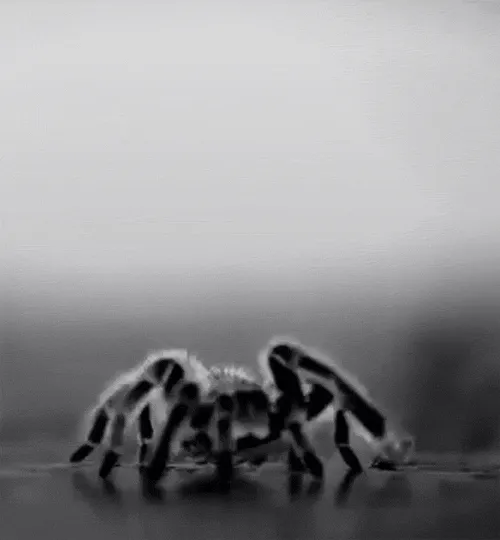
Tarantula migration is a fascinating natural phenomenon, a testament to the survival instincts and complex behaviors of these often-misunderstood creatures. Understanding this process is the first step to appreciating and observing it responsibly. Tarantulas, despite their imposing size and appearance, are vulnerable during this period, making it essential for enthusiasts and researchers alike to approach the topic with respect and knowledge. This guide aims to equip you with the necessary information to understand why these spiders migrate and how to witness this remarkable event safely and ethically, all while providing the opportunity to capture incredible moments with a captivating tarantula migration gif. Observing tarantula migration offers a unique glimpse into the life cycle of these arachnids and their interactions with their environment, allowing you to experience a truly immersive experience.
Why Do Tarantulas Migrate?
Tarantulas embark on migrations primarily for two critical reasons: reproduction and resource acquisition. The driving force behind their movements is often the need to find mates and suitable locations for egg-laying. Males, in particular, are known to travel significant distances in search of receptive females. They follow pheromone trails, the natural scents left by the females, which guide them across diverse terrains. Beyond reproduction, migrations also help tarantulas optimize their access to food and shelter. Changes in environmental conditions, such as the onset of the dry season or a shift in prey availability, can trigger these movements. By migrating, tarantulas can avoid harsh conditions and secure the resources they need to survive. The complex factors that influence these journeys make them a captivating subject for both casual observers and seasoned scientists.
Seasonal Triggers

Tarantula migrations are strongly linked to seasonal changes, with specific times of the year providing the ideal environmental conditions for these movements. The timing varies depending on the species and the geographic location of their habitat. In many regions, migrations coincide with the onset of the rainy season or the end of a long dry spell. These climatic shifts provide an abundance of resources, such as food and suitable nesting sites, which make the migration a beneficial strategy for tarantulas. Temperature also plays a vital role, with warmer weather often stimulating the spiders to become more active. These triggers can create a predictable pattern to their movements, allowing dedicated enthusiasts to plan their observation trips and capture compelling tarantula migration gifs. Understanding these seasonal rhythms can significantly enhance your chances of witnessing this captivating spectacle and provide a deeper appreciation for the intricate interactions between these creatures and their environment.
Preparing for Tarantula Migration
Proper preparation is crucial for a successful and respectful observation of tarantula migration. This involves gathering information, planning your trip carefully, and ensuring you have the necessary equipment. The goal is to minimize any potential impact on the tarantulas and their habitat while maximizing your chances of seeing these amazing spiders in action. Thorough preparation not only enhances your experience, but also contributes to the conservation of these creatures. The ability to capture a tarantula migration gif relies heavily on planning and being at the right place at the right time. By taking the time to plan and prepare your trip, you will be well-equipped to safely witness this fascinating natural event and perhaps even capture stunning photos or videos to share with others.
Identifying Migration Season
Identifying the correct season is a critical step in your preparation. This requires research specific to the species of tarantulas in your chosen location. Consult local field guides, online resources, and experienced arachnologists to determine the typical migration period. Factors such as the local climate, rainfall patterns, and temperature fluctuations will significantly impact the timing. Pay attention to weather forecasts and historical data. Be aware that the migration period can vary slightly from year to year, but it usually follows a predictable pattern. Keeping an eye on these environmental cues will help you fine-tune your plans and make sure you are at the right place at the right time to witness this natural phenomenon and, if you are lucky, get the perfect shot for a tarantula migration gif.
Gathering Necessary Information
Before embarking on your adventure, gather as much information as possible about the location you plan to visit. This includes understanding the terrain, identifying potential hazards, and learning about any regulations or permits required for observing wildlife in the area. Research the specific species of tarantulas found in the region, including their behavior, habitat preferences, and the threats they face. Knowing the local ecosystem and the tarantulas’ interactions with other species will significantly enhance your understanding of the migration. Check for any recent sightings or reports from other observers to get a sense of where and when the tarantulas have been active. The more prepared you are, the more rewarding and educational your observation experience will be. Accurate information can significantly increase your chances of capturing a compelling tarantula migration gif.
Step-by-Step Guide to Witnessing Migration
Once you have identified the optimal time and place, and you have prepared your equipment, the actual observation begins. Patience, respect, and a keen eye are essential qualities for observing tarantula migration. This section provides a step-by-step guide to help you maximize your chances of spotting these arachnids during their remarkable journeys. It is vital to understand the best observation practices, including ethical considerations to ensure minimal disturbance to the spiders and their environment. Your actions, along with planning and preparation, contribute greatly to the chances of spotting a tarantula migration and perhaps even getting a breathtaking tarantula migration gif.
Finding the Right Location
Choosing the right location is crucial. Tarantulas often migrate along predictable routes, such as trails, roads, or the edges of forests. Research potential sites by consulting local experts or online resources. Identify areas with suitable habitat, such as grasslands, scrublands, or open forests, that tarantulas favor. Consider the accessibility and safety of the area, especially if you will be observing during the evening or night. Look for signs of tarantula activity, such as burrows or shed exoskeletons. Scout the area beforehand to familiarize yourself with the terrain and potential hazards. Remember to respect private property and obtain any necessary permissions before entering. Good location scouting increases your chances of capturing a tarantula migration gif.
Best Time to Observe

The best time to observe tarantula migrations is often during the late afternoon or early evening, when the light is softer, and the tarantulas are most active. However, this can depend on the species and their behavior. Be prepared to stay out after dark. The cooler evening temperatures and increased humidity often trigger migrations. Monitor weather conditions and be aware that migrations may be delayed or canceled by heavy rain or extreme temperatures. Pack appropriate clothing and gear to be comfortable and safe during the observation period. Be patient and prepared to wait; tarantula migrations can be unpredictable. Patience is key when trying to spot the perfect moment to catch a tarantula migration gif.
What to Bring
Proper equipment is essential for safe and successful tarantula observation. Pack essential items, including sturdy hiking boots, long pants, and a long-sleeved shirt to protect yourself from potential bites or stings. A headlamp or flashlight with a red light filter will allow you to see in the dark without disturbing the tarantulas. A camera with a good macro lens is ideal for capturing detailed images. Consider bringing a pair of binoculars for better viewing from a distance. Always bring water and snacks to stay hydrated and energized. A first-aid kit and any necessary medications are also essential. Remember a portable charger for your devices to capture and share your tarantula migration gif.
Ethical Observation Practices
Ethical observation is paramount when witnessing tarantula migration. This involves minimizing any disturbance to the tarantulas and their habitat and respecting the natural environment. Following these practices will ensure that you observe these spiders responsibly. Ethical practices enhance the overall experience. These include respecting the environment and practicing minimal impact principles. A commitment to ethical behavior will not only protect the spiders but also preserve the unique experience of viewing the migration. It helps to preserve the environment and the chance to capture future tarantula migration gifs.
Respecting Their Habitat

Always stay on established paths and avoid trampling vegetation. Respect the natural environment by not removing or disturbing any plants or animals. Leave the area as you found it by packing out all trash and waste. Avoid disturbing the tarantulas’ burrows or nests. Do not handle or attempt to capture the tarantulas, as this can cause them stress and potential harm. Be mindful of your actions and their potential impact on the environment, including any plans you may have to take a tarantula migration gif.
Avoiding Disturbances
Use a red light filter on your headlamp or flashlight to minimize the impact on the tarantulas’ nocturnal behavior. Avoid making loud noises or sudden movements that could frighten the spiders. Maintain a safe distance and observe the tarantulas from a distance, allowing them to move freely without interference. Be patient and allow the tarantulas to behave naturally. Avoid using flash photography, as it can disrupt the spiders’ vision and behavior, thus ruining any chance for that great tarantula migration gif you are planning.
Post-Observation Considerations
Once you have finished observing the tarantula migration, it is important to reflect on your experience and consider how you can contribute to the conservation of these amazing creatures. This includes documenting your observations and sharing them with others. Documenting your experience in detail will help you to remember the event and also share your findings with others, fostering greater understanding and appreciation for these creatures. Documenting the migration will improve your chances of capturing that perfect tarantula migration gif.
Documenting Your Experience
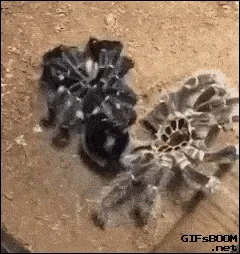
Keep a detailed record of your observations, including the date, time, location, and environmental conditions. Take notes on the number of tarantulas observed, their behavior, and any other relevant details. Take photos or videos to capture the event and create a visual record of your experience. Keep track of your gear used. Consider sharing your observations with a local natural history organization, or online platforms. This documentation can be used to provide invaluable data for research and conservation efforts, as well as the tarantula migration gif that will get you social media fame!
Sharing Your Findings
Share your experience with others by posting your photos, videos, and notes on social media, blogs, or other online platforms. Consider submitting your observations to scientific journals or citizen science projects to contribute to the greater understanding of tarantula behavior and ecology. Engage in conversations with other enthusiasts to learn from their experiences and share knowledge. By sharing your findings, you will help to raise awareness and promote conservation efforts for these amazing spiders. Do not forget to share your tarantula migration gif with the world!