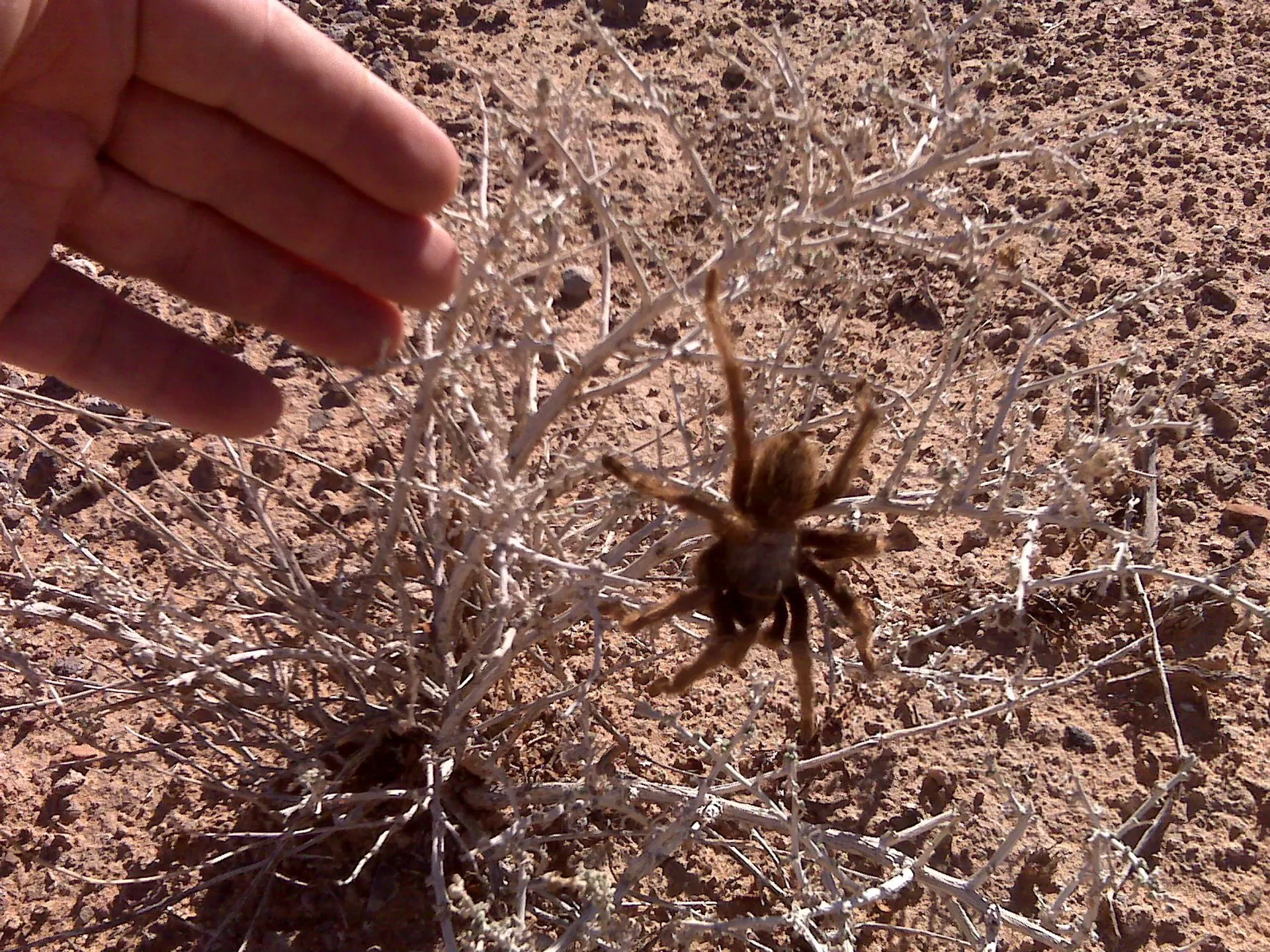
Where and When Tarantula Migration Happens
The large tarantula migration is a spectacular natural phenomenon, typically occurring during the late summer and early fall months. This annual event is primarily driven by the spiders’ mating rituals. Male tarantulas, in search of a mate, embark on a journey that can span several miles, often crossing roads and traversing various terrains. This migration is not just a spectacle of nature; it’s a vital part of the tarantula’s life cycle, ensuring the continuation of their species. The timing of the migration is closely tied to environmental factors, particularly temperature and rainfall, which signal the start of the breeding season. Knowing when and where this migration takes place is the first step in witnessing this amazing event. Consider it as a great opportunity to observe one of the world’s biggest spiders
Prime Tarantula Migration Locations
Several regions are renowned for their tarantula migrations, offering prime viewing opportunities. In the United States, states like Arizona, New Mexico, and California are particularly popular spots. These areas provide the ideal conditions, including the right climate and habitat, for these spiders to thrive and migrate. In these locations, you can often find trails that are popular among spiders, making it easier to spot them. Keep in mind that the specific locations within these states can vary, and it’s essential to research local hotspots. Always be mindful of local regulations and conservation efforts when planning your visit. Remember that this migration offers a rare glimpse into the behavior and survival of these amazing creatures.
Best States to Witness Tarantula Migration

When planning to witness the tarantula migration, some states offer better viewing experiences than others. Arizona, with its diverse landscapes and favorable climate, is a top choice. The vast deserts and open spaces provide ample opportunities to spot these spiders on the move. New Mexico also boasts excellent migration events, especially in areas with suitable habitat. Additionally, certain regions of California, particularly in the southern parts, can be great locations. Remember to check local guides and resources for specific trails and times. Each state offers a unique perspective on this amazing natural event, making the experience all the more diverse and enriching. However, always prioritize your safety and the well-being of the spiders by observing from a safe distance and avoiding any interference.
Identifying the Ideal Tarantula Migration Spots
Identifying the ideal spots for witnessing tarantula migration involves several key factors. Look for areas with a high concentration of tarantula habitats. These are often characterized by favorable conditions, such as ample food supply and suitable terrain. Trails, canyons, and open desert landscapes are usually the best locations. Researching local ecological data can also provide insights into the most active migration zones. Online forums and nature groups can also offer valuable information about recent sightings and locations. Remember to consult local experts or park rangers for the most accurate and up-to-date information. Proper planning will greatly enhance your chances of spotting this awesome event, helping you create lasting memories of the stunning nature of the tarantulas.
Understanding Tarantula Behavior During Migration
Understanding the behavior of tarantulas during their migration is crucial for successful spotting. Males are the primary migrators, actively seeking mates. Their journey can be long, and during this time, they are focused on reproduction, often ignoring other threats. They may cross roads, encounter humans, and traverse varied terrains. Be aware of their heightened sensitivity and vulnerability during this period. Observe from a distance, and avoid disturbing their natural behavior. Learning about their movements, habits, and the challenges they face during this phase will deepen your appreciation for this natural phenomenon. Remember to avoid any interference with the spiders, allowing them to complete their journey without stress or harm.
How to Find Tarantulas on the Move

Finding tarantulas on the move requires a strategic approach. Start by visiting known migration hotspots during the peak season. Look for them along trails, roadsides, and open desert areas. Early morning and late afternoon are typically the best times, as the spiders are more active when the temperatures are cooler. Using binoculars can help you spot them from a distance, especially as the terrain can be vast. Observing the ground and looking for movement is key. Walking slowly and quietly can increase your chances. Always maintain a safe distance, and never attempt to handle or disturb the spiders. Take photos and enjoy this rare opportunity to see these magnificent creatures in their natural environment, and take care of your safety first.
Best Time of Day for Tarantula Spotting
The time of day significantly impacts your chances of spotting tarantulas during their migration. Early morning, when temperatures are cooler and the sun is less intense, is often the best time to observe these spiders. Late afternoon, as the day begins to cool down, is another prime period. Avoid the heat of midday, when tarantulas tend to seek shelter. Cloudy days can also be advantageous, as the less intense sunlight encourages activity. Consider planning your spotting trip around these optimal times, as the change in weather conditions may affect the movement patterns of the spiders. This will give you the best opportunities to see these impressive creatures in action. Remember to check the weather forecast and plan accordingly.
Essential Gear and Safety Tips for Spotting Tarantulas
Equipping yourself with the right gear and prioritizing safety are vital for a successful and enjoyable tarantula spotting experience. Essential gear includes sturdy hiking boots, long pants, and a long-sleeved shirt to protect against bites and scratches. Carry plenty of water to stay hydrated, especially in the desert. Bring binoculars for spotting the spiders from a safe distance. A camera is recommended to capture this unique event, but be careful about getting too close. Always let someone know your plans and when to expect your return. Be aware of your surroundings and watch out for other potential dangers, such as snakes and uneven terrain. Understanding the spiders’ behavior will allow you to better appreciate and document this amazing natural phenomenon, increasing your safety and respect for the creatures.
What to Bring for Your Tarantula Spotting Trip

Packing the right items can make your tarantula spotting trip more comfortable and successful. Essential items include water, sunscreen, and a hat to protect against the sun. Bring a small first-aid kit for minor injuries, like scrapes or scratches. A good pair of binoculars will significantly improve your ability to spot tarantulas from afar. A camera with a good zoom lens is recommended for capturing stunning photos. A map and compass or a GPS device can help you navigate the terrain. Pack snacks for energy, and consider a small notebook and pen to record your observations. By bringing these essentials, you’ll be well-prepared for a safe and enjoyable adventure in the wilderness, allowing you to fully appreciate the amazing experience.
Tarantula Migration Safety Measures to Take
Ensuring your safety during tarantula migration viewing is paramount. Always maintain a safe distance from the spiders, as they may bite if they feel threatened. Avoid handling or provoking them. Be mindful of your surroundings and watch out for other hazards like snakes or unstable ground. Hike with a friend or let someone know where you are going and when you expect to return. Wear appropriate clothing, including long pants, a long-sleeved shirt, and sturdy shoes. Carry a first-aid kit and know how to use it. If you encounter a tarantula, observe it from a distance and let it be. Prioritizing safety and adhering to these measures will allow you to enjoy the tarantula migration while minimizing risks.
Photographing and Observing Tarantulas Respectfully
Respectful observation and photography are key aspects of appreciating tarantula migration. Maintain a safe distance from the spiders to avoid causing them stress. Use a telephoto lens to capture images without getting too close. Avoid using flash photography, as it can startle the spiders. Be patient and allow them to move naturally. Do not disturb their environment or alter their behavior in any way. When photographing, focus on capturing their natural poses and movements. Practice ethical photography to respect the animals and their environment. By following these guidelines, you can create beautiful images while protecting the spiders and their habitats. Your respectful approach will greatly enhance your experience.
Capturing Stunning Photos of Tarantulas in Migration

Capturing stunning photos of tarantulas during migration requires a thoughtful approach. Use a telephoto lens to maintain a safe distance while getting close-up shots. Focus on capturing the spider’s natural behavior, such as walking or hunting. Look for interesting backgrounds to add depth to your photos. Experiment with different angles and perspectives to create dynamic images. Pay attention to lighting, and try to shoot during the golden hours of sunrise and sunset for the best results. Be patient, and be ready to capture fleeting moments. Review your photos regularly to make adjustments. By combining technical skills with a sense of artistry, you can create exceptional photographs that showcase the beauty of this incredible event. Share your images responsibly to promote conservation and respect for nature.
Preserving Tarantula Habitats and Supporting Conservation Efforts
Preserving tarantula habitats and supporting conservation efforts is critical for the long-term survival of these spiders. Protect their environments by avoiding habitat destruction and advocating for conservation measures. Support organizations that are dedicated to tarantula research and conservation. Educate yourself and others about the importance of tarantulas in the ecosystem. Participate in citizen science projects to help gather data about tarantula populations and migration patterns. When visiting migration sites, follow Leave No Trace principles. By taking these actions, you can contribute to the conservation of tarantulas and help ensure that future generations can witness this amazing natural phenomenon. Together, we can help to keep the spiders’ natural environment thriving for years to come.
Protecting Tarantula Ecosystems
Protecting tarantula ecosystems involves many measures. Supporting the preservation of natural habitats is the first step. Reduce your impact by practicing responsible outdoor recreation and minimizing habitat disruption. Advocate for policies that protect natural areas, and support organizations involved in conservation efforts. Avoid the use of pesticides and herbicides that can harm tarantulas and their food sources. Report any illegal activities, such as habitat destruction or poaching. Promote awareness about the importance of tarantulas in the ecosystem. By taking these actions, you can contribute to the preservation of the environments where tarantulas live, ensuring their survival and the health of the wider ecosystem. Remember that the conservation of tarantulas is a critical matter.
Tarantula Migration Spotting: Final Tips

To make the most of your tarantula migration spotting experience, remember these final tips. Research the best locations and times for witnessing the migration. Plan your trip carefully, considering weather conditions and potential hazards. Pack appropriate gear and supplies, including water, sunscreen, and a first-aid kit. Practice safe viewing techniques and maintain a respectful distance from the spiders. Be patient and observe their natural behaviors. Capture stunning photos, but always prioritize the welfare of the tarantulas and their environment. Support conservation efforts and share your knowledge with others. By following these recommendations, you can enjoy an unforgettable experience while promoting the preservation of these amazing creatures. Always remember that the tarantula is a beautiful and interesting creature to learn about!