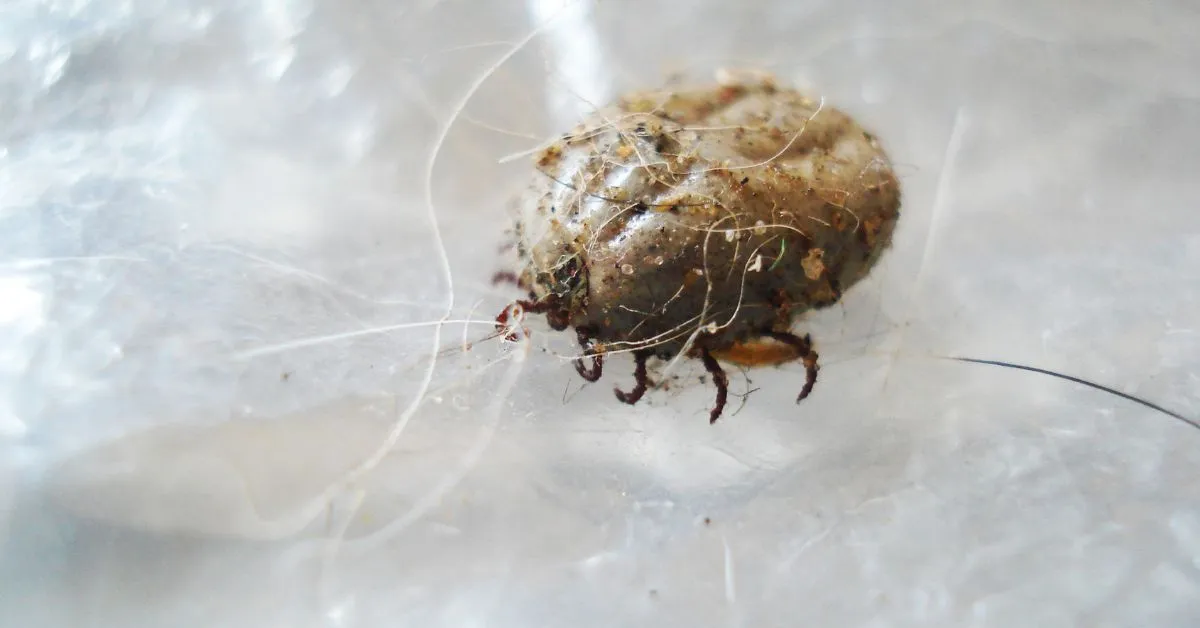
What are Tarantula Mites
Tarantula mites are tiny, parasitic arachnids that can infest tarantulas and their enclosures. These mites feed on the tarantula’s hemolymph (equivalent to blood) and can cause significant stress and health issues if left untreated. They are often red, brown, or black and are typically very small, making them difficult to spot initially. Understanding these pests is the first step in protecting your pet tarantula. These mites are not the same as the dust mites commonly found in homes, they are a species that is specifically adapted to parasitize tarantulas. These mites are a very common issue in tarantula keeping, but they can be managed with the correct knowledge and action.
Identifying Tarantula Mites
Early detection is crucial for successful treatment. Identifying tarantula mites involves looking for both visual and behavioral clues. Knowing what to look for will greatly increase your chances of quickly detecting the mites and mitigating the problem before it worsens. Early identification can prevent your pet from suffering from more serious health issues down the line.
Visual Inspection

Visually inspect your tarantula and its enclosure regularly. Look for small, moving specks, often clustered around the tarantula’s legs, abdomen, and book lungs. These mites are usually visible to the naked eye, but a magnifying glass can be helpful. Check the substrate, hides, and any decorations for these tiny pests. Reddish or brownish specks are common, though the color can vary. The mites are more visible against a lighter substrate.
Behavioral Clues
Observe your tarantula’s behavior. Infested tarantulas may exhibit restlessness, excessive grooming, or rubbing against the enclosure walls. They might appear sluggish or lose their appetite. In severe cases, you may notice the tarantula trying to scratch itself or attempt to remove the mites. These behavioral changes can be a sign of discomfort and a warning sign of a mite infestation. Always consider the potential impact of mites when observing a sudden shift in the tarantula’s demeanor.
Why are Tarantula Mites a Problem
Tarantula mites can cause a variety of issues for your pet, ranging from minor irritation to serious health complications. Understanding the problems mites pose is vital for your tarantula’s well-being. Early intervention is important for both the comfort of the tarantula and the prevention of secondary infections. Be sure to identify and treat these issues quickly to prevent a worsening of the infestation and health of the pet.
Health Risks for Tarantulas

Mites feed on the tarantula’s hemolymph, which can lead to anemia and overall weakness. The constant irritation can also cause stress and weaken the tarantula’s immune system, making it more susceptible to secondary infections. Open wounds from scratching can become infected. Severe infestations can even lead to death if left untreated. Ensure to implement preventative measures to protect your pet from contracting a mite infestation.
Impact on the Tarantula’s Environment
Mites can quickly multiply and infest the entire enclosure. They can contaminate the substrate, water dish, and any decorations. This contamination can lead to a build-up of waste products and potentially harmful bacteria, creating an unhealthy environment for your tarantula. The presence of mites can also make the enclosure unpleasant to maintain, as the mites can spread to other areas of the home. To prevent this from happening it is important to take the appropriate steps to treat and prevent these mites.
Top 5 Actionable Tips to Get Rid of Tarantula Mites
Here are five practical steps you can take to eliminate tarantula mites and ensure your pet’s health and well-being. These steps cover everything from immediate actions to long-term prevention, giving you a comprehensive plan to combat these pests. These methods have been proven to reduce the mites while keeping the tarantula safe. It is important to consider implementing all of the steps provided.
Tip 1 Quarantine the Tarantula

Immediately isolate the infested tarantula in a separate, clean enclosure. This prevents the mites from spreading to other tarantulas or enclosures you have in your home. Isolation is the first and often most important step in managing a mite problem. This step protects other tarantulas from being infected and helps to concentrate on treatment. Consider having a quarantine tank on hand to be able to quickly remove the infested tarantula.
Detailed Quarantine Procedures
Use a new, disposable enclosure or thoroughly clean and disinfect the existing one. Replace the substrate with a mite-free option like paper towels or a substrate that you can easily dispose of. Provide a clean water dish and a hide that is easy to clean or replace. Monitor the tarantula closely for any changes or signs of mite activity. This process limits the spread of mites and allows for easier monitoring of the tarantula’s condition.
Tip 2 Improve the Enclosure Conditions
Mites thrive in certain conditions, so adjusting the enclosure’s environment can help eliminate them. This involves controlling the humidity and improving ventilation. Reducing the conditions that are conducive to mites is important. By adjusting the environment, you create a less hospitable environment for the mites, which can help in controlling the infestation and helping with prevention in the future. Reducing humidity and improving ventilation can deter mites.
Humidity and Ventilation

Mites prefer high humidity. Lower the humidity levels in the enclosure, but ensure it remains within the acceptable range for your tarantula’s species. Improve ventilation by adding air holes or adjusting the enclosure’s setup to allow for better airflow. Proper ventilation helps reduce humidity. Ventilation helps by removing moisture and decreasing the likelihood of mite proliferation.
Substrate Management
Replace the substrate with a fresh, mite-free option, such as paper towels or a different substrate. These options are easier to manage and can be quickly replaced if mites return. If you choose to use a substrate, monitor it closely for any signs of mites and replace it as needed. Regular substrate changes can help prevent mite infestations. Choose a substrate that is less prone to mites and maintain its cleanliness.
Tip 3 Clean the Tarantula
Carefully clean your tarantula to remove mites directly. While some methods are safe, always prioritize the tarantula’s well-being during this process. Cleaning removes mites and helps reduce the mite population, which reduces stress on the tarantula. Avoid anything that is harsh or can cause your pet harm.
Gentle Cleaning Techniques

Use a soft brush or cotton swab dampened with water to gently remove mites from the tarantula’s legs and body. Avoid harsh chemicals or soaps. For more severe infestations, a lukewarm water bath (only for species that tolerate it) can help dislodge mites. Be sure to monitor your tarantula during the process and handle with care. Be gentle and patient.
Frequency of Cleaning
Clean your tarantula regularly, typically every few days or as needed, depending on the severity of the infestation. During cleaning sessions, focus on areas where mites tend to congregate. Consistent cleaning helps prevent the mite population from growing and keeps the tarantula comfortable. Regularly clean the enclosure to reduce any risk of the mites’ return.
Tip 4 Apply Mite Treatments
Use appropriate mite treatments to effectively combat the infestation. There are several options available, but it is important to select treatments that are safe for your tarantula. Proper use of the treatments is essential to ensure effectiveness and the safety of your pet.
Types of Treatments Available

Several treatments are available, including mite sprays, powders, and dips. Some options are natural and pet-friendly, such as neem oil solutions, while others are chemical-based. Be cautious when selecting a treatment and do thorough research. Choose a product that is specifically designed for tarantula mites, and follow the instructions carefully. Consider the safety of your pet and the potential impact on the environment.
How to Apply Treatments Safely
Always read and follow the manufacturer’s instructions carefully. Apply treatments in a well-ventilated area and avoid direct contact with your tarantula, unless specifically directed by the product instructions. After application, monitor your tarantula for any adverse reactions. Remove any uneaten food or water from the enclosure during treatment, and provide fresh food and water afterward. Using the treatment exactly as directed is important.
Tip 5 Prevent Future Infestations
Preventing future infestations involves establishing a routine of maintenance and careful monitoring. Prevention is key to ensuring your tarantula stays healthy and free from mites. This includes proper enclosure upkeep, and quarantine procedures for new additions.
Regular Enclosure Maintenance
Clean the enclosure regularly, removing uneaten food and fecal matter, and replacing the substrate as needed. Maintain proper humidity and ventilation levels. Be consistent with your maintenance routine. Regular maintenance can help deter mites. A clean environment reduces the chances of mites.
Quarantine New Additions
Always quarantine new tarantulas or any new items (like substrate, hides, or decorations) for at least 30-60 days before introducing them to your established collection. Observe them closely for any signs of mites or other pests. Quarantine new additions helps to prevent the spread of mites or other infestations to the rest of your collection. This procedure is critical for protecting your established tarantulas and preventing problems.
Conclusion
Tarantula mites can be a nuisance, but with the right knowledge and proactive steps, you can effectively manage and eliminate them. By identifying the problem early, implementing the top 5 actionable tips, and practicing preventative measures, you can ensure your tarantula’s health and well-being. Remember, consistent monitoring, regular cleaning, and careful quarantine practices are key to keeping your tarantula mite-free and happy. By following these guidelines, you can create a safe and thriving environment for your pet.