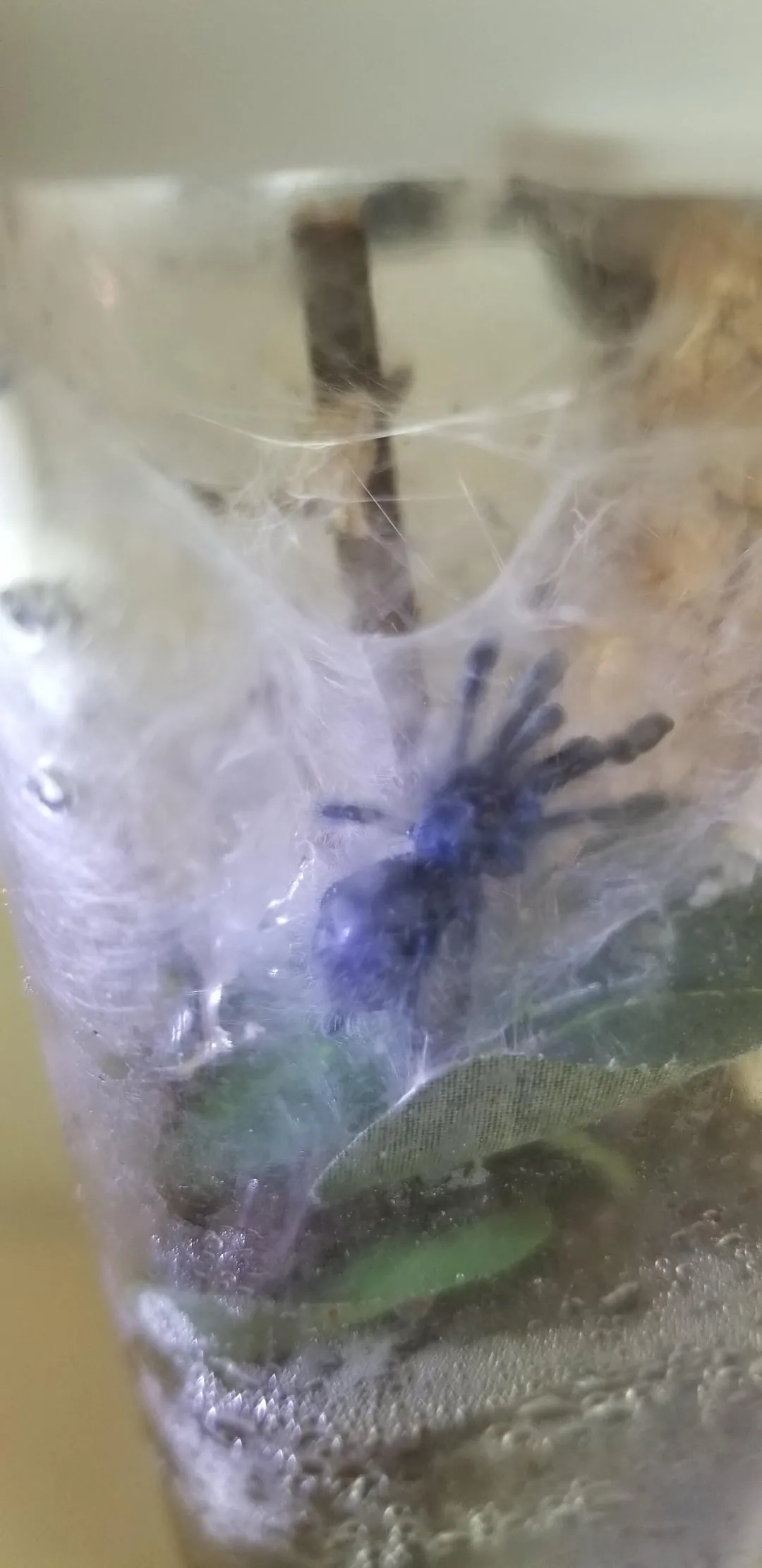
What is Molting for Tarantulas
Molting is a critical and fascinating process for tarantulas, a necessary part of their growth and survival. It’s essentially the way a tarantula sheds its old exoskeleton to make way for a new, larger one. This process is not just about getting bigger; it’s also a chance for the tarantula to regenerate lost limbs, repair injuries, and refresh its appearance. The exoskeleton, made of chitin, doesn’t grow, so molting is the only way for these arachnids to expand. Understanding the basics of molting is key to providing proper care and ensuring your tarantula thrives.
The Molting Process Explained
The molting process is a complex series of events. It begins internally, as the tarantula’s body starts to form a new, soft exoskeleton underneath the old one. The old exoskeleton then separates from the new one, and the tarantula becomes inactive, often flipping onto its back. This position helps it to extract itself from the old shell. The tarantula will then slowly emerge, leaving behind its old exoskeleton, a complete replica of itself. The newly molted tarantula is incredibly vulnerable, as its new exoskeleton is soft and delicate, and it takes time to harden.
Preparing for a Tarantula Molt

As a tarantula approaches a molt, you’ll notice changes in its behavior and appearance. It may stop eating, become less active, and its abdomen might appear darker or swollen. Providing the right environment during this time is crucial. This includes maintaining proper humidity and temperature levels, managing the substrate, and adjusting feeding routines. A well-prepared enclosure will help the tarantula molt successfully and reduce the risk of complications.
Humidity and Temperature
Maintaining appropriate humidity and temperature levels is vital. Humidity helps the old exoskeleton separate from the new one, making the molt easier. Use a hygrometer to monitor humidity levels, and adjust them as needed using a water dish or by misting the enclosure. Temperature also plays a role; a consistent, appropriate temperature supports the molting process. Avoid sudden changes in temperature or humidity during this sensitive period.
Substrate Management
The substrate in your tarantula’s enclosure also matters. Ensure the substrate is clean and provides a suitable surface for the tarantula to grip during the molt. Avoid using substrates that can harbor mold or pests. If the substrate becomes overly dry, lightly moisten it to help maintain humidity levels. During a molt, the tarantula may burrow or create a web; providing a safe and stable substrate minimizes the risk of complications.
Feeding Adjustments

Reduce or stop feeding your tarantula as it approaches a molt. A tarantula may refuse food during this time. Overfeeding can stress the tarantula and potentially interfere with the molting process. If you notice your tarantula has stopped eating and appears to be preparing to molt, refrain from offering food until after the molt is complete and the tarantula’s fangs have hardened. This precaution is essential for the tarantula’s health and safety.
Top 5 Facts About Tarantula Molting
Fact 1 The Exoskeleton Shedding
The exoskeleton is like an external skeleton that protects the tarantula, providing support and structure. As the tarantula grows, it outgrows its exoskeleton, and molting is the only way to shed it. When a tarantula molts, it sheds every part of its exoskeleton, including the lining of its gut and the setae (hairs) on its legs. This process leaves behind a perfect, albeit empty, shell of the tarantula. This is a remarkable display of nature’s design.
Fact 2 New Colors and Patterns

Molting often reveals vibrant new colors and patterns in tarantulas. The old exoskeleton may have faded or dulled over time, but the new one emerges with enhanced coloration. This transformation can be quite dramatic, especially in species with striking patterns. After molting, the tarantula’s new exoskeleton will be the most vibrant it will be until the next molt. The colors will gradually fade over time as the new exoskeleton matures.
Fact 3 Growth and Regeneration
Molting is the primary way a tarantula grows. With each molt, the tarantula increases in size. The molting process also allows tarantulas to regenerate lost limbs. If a tarantula loses a leg or a pedipalp, it will regrow it during a molt. The new limb may be smaller or less developed at first, but it will continue to grow with subsequent molts. This regeneration ability is a fascinating adaptation that helps tarantulas survive in the wild.
Fact 4 Vulnerability During Molt
During the molting process, a tarantula is at its most vulnerable. The new exoskeleton is soft and takes time to harden, leaving the tarantula defenseless. During this period, the tarantula cannot move quickly or defend itself effectively. It’s essential to avoid disturbing a molting tarantula and to provide a safe and secure environment. Any stress or disturbance can lead to complications, potentially harming the tarantula.
Fact 5 Environmental Influences

Environmental factors can significantly influence the molting process. Proper humidity, temperature, and substrate conditions are crucial for a successful molt. Stress, poor nutrition, or inadequate environmental conditions can lead to molting problems, such as stuck molts. Understanding and controlling these environmental factors is essential for responsible tarantula care. By providing an ideal environment, you can increase the chances of a healthy and successful molt.
Post-Molt Care for Your Tarantula
After a molt, the tarantula’s exoskeleton will gradually harden over several days or weeks. During this time, it’s important to adjust your care routine to support the tarantula’s recovery. This includes carefully managing its feeding schedule and being mindful of handling precautions. Proper post-molt care ensures the tarantula can return to its normal activities and thrive.
Feeding After Molting
Wait a few days after the molt before offering food. The tarantula’s fangs and exoskeleton need time to harden, and feeding too soon can be risky. Start with smaller prey items to avoid stressing the tarantula. Gradually increase the size of the prey as the tarantula recovers and its fangs gain strength. Ensure the tarantula is able to eat and digest its food without difficulty.
Handling Precautions

Avoid handling your tarantula immediately after a molt. The new exoskeleton is soft and vulnerable, and handling can cause injuries. Wait until the exoskeleton has completely hardened before handling the tarantula. Handle with extreme care, supporting the tarantula’s body to avoid dropping it. It is often best to avoid handling altogether unless necessary. Always prioritize the tarantula’s safety and well-being.
Identifying Molting Problems
While molting is a natural process, problems can arise. Recognizing the signs of molting problems is crucial for intervening and helping your tarantula. The most common issues are stuck molts and dehydration, which can be life-threatening if left unaddressed. Early detection and appropriate care can improve the chances of a successful recovery.
Stuck Molts
A stuck molt occurs when the tarantula cannot fully shed its old exoskeleton. This can be caused by low humidity, poor health, or other environmental factors. Signs of a stuck molt include parts of the old exoskeleton remaining attached to the tarantula’s body, especially around the legs or fangs. If you notice a stuck molt, try increasing the humidity in the enclosure and gently misting the tarantula. In severe cases, veterinary assistance may be necessary.
Dehydration

Dehydration can also cause molting problems. A dehydrated tarantula will struggle to separate its old exoskeleton from its new one. Symptoms include a wrinkled abdomen, lethargy, and a lack of interest in food. Ensure your tarantula has access to fresh water at all times. Increase humidity in the enclosure and consider misting the tarantula to provide additional hydration. Prompt action is vital to prevent dehydration from becoming a serious problem.
Conclusion
Molting is a natural and essential process in the life of a tarantula. Understanding this process, from preparation to post-molt care, is critical for keeping your tarantula healthy and happy. By providing the right environment and paying attention to your tarantula’s needs, you can support successful molts and enjoy the fascinating changes that come with each stage of its life. Remember that patience, observation, and proper care are essential for responsible tarantula ownership. With proper care, you can help your tarantula thrive.