What is a Tarantula Monster?
The term “Tarantula Monster” often conjures images of enormous, menacing spiders, but the reality of these creatures is far more complex and fascinating than the sensationalized name suggests. These aren’t mythical beings but rather a diverse group of spiders, primarily belonging to the Theraphosidae family. They are the largest spiders in the world, known for their impressive size, hairy bodies, and, in some cases, a somewhat intimidating appearance. They are not typically aggressive towards humans and play a vital role in their ecosystems. Understanding the true nature of a tarantula monster requires moving beyond the monster label and embracing a scientific appreciation for these arachnids.
Defining the Tarantula Monster
Defining a tarantula monster necessitates a look at their biological characteristics and behaviors. These spiders are characterized by their robust bodies, hairy legs, and a range of sizes. Some species can have a leg span exceeding 10 inches, making them truly impressive. Their bodies are covered in hairs, which serve various purposes, including sensory perception and defense. They are nocturnal hunters, primarily feeding on insects, but larger species may also prey on small vertebrates. While they are venomous, their venom is generally not considered life-threatening to humans, although a bite can be painful and cause localized symptoms.
The Key Features

Several key features distinguish tarantula monsters from other spiders. Their size is a primary characteristic, as they are among the largest spiders globally. Their hairy bodies are another distinguishing feature, with the hairs varying in color and density depending on the species. Many species have urticating hairs, which they can flick off their abdomens as a defense mechanism. They also possess large fangs, used for injecting venom into their prey. Their lifespans are also noteworthy, as some species can live for over 20 years, making them one of the longest-lived spiders. Their varied coloration is also an interesting feature, ranging from shades of brown and black to vibrant blues and oranges.
Top 7 Facts about Tarantula Monsters
Fact 1 Size and Appearance
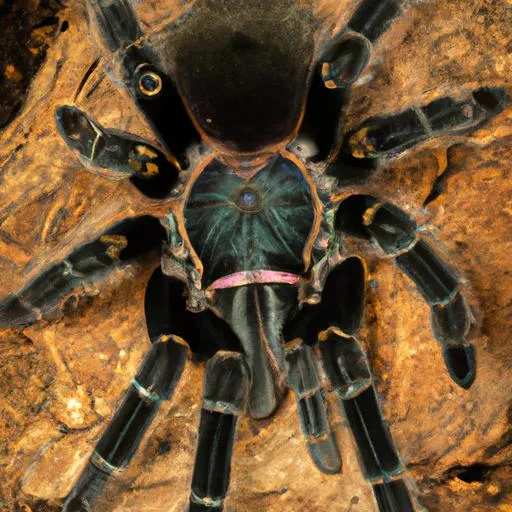
Tarantula monsters are renowned for their impressive size, with some species boasting leg spans that can exceed a foot across. Their bodies are robust and covered in hairs, which can range in color from earthy browns and blacks to vibrant hues like blue and orange. The appearance of each species is unique, but they generally share a similar body plan, with a cephalothorax (fused head and thorax) and an abdomen. These spiders have eight legs, powerful fangs, and a variety of sensory organs, including hairs that detect vibrations in the air. They often have a somewhat intimidating appearance, especially when observed up close.
Fact 2 Habitat and Distribution

Tarantula monsters inhabit a wide range of habitats, primarily in tropical and subtropical regions around the world. They are found in North and South America, Africa, Asia, and Australia. They prefer warm, humid environments, where they can find suitable shelter and prey. Some species live in burrows they dig themselves, while others take refuge under rocks, in tree hollows, or among leaf litter. Their distribution is influenced by factors such as climate, food availability, and the presence of predators. They are generally solitary creatures, except during mating season, and they have adapted to thrive in diverse environments.
Fact 3 Diet and Feeding Habits
These spiders are primarily carnivorous, with their diet consisting of insects, small vertebrates, and occasionally other invertebrates. Their feeding habits vary depending on the species, but they typically ambush their prey. They use their fangs to inject venom, which paralyzes or kills the prey. The spiders then use digestive enzymes to break down the prey’s tissues, which they then suck up. The size of the prey can range from small insects to mice, lizards, and birds, depending on the size of the tarantula monster. They can go for extended periods without eating, which makes them well-suited to survive in their habitats.
Fact 4 Defensive Mechanisms
Tarantula monsters have several defensive mechanisms to protect themselves from predators. One of the most common defenses is their urticating hairs, which they can flick off their abdomens when threatened. These hairs cause irritation and itching to deter potential attackers. They also have powerful fangs that they use to bite, injecting venom that can cause pain and localized symptoms in humans. Some species can also produce a hissing sound by rubbing their legs together, which can startle predators. They also retreat into their burrows or other shelters when faced with a threat.
Fact 5 Lifespan

The lifespan of a tarantula monster can vary significantly depending on the species and sex. Female tarantulas generally live longer than males. Some species can live for over 20 years in the wild, making them one of the longest-lived spiders. Males typically live for a shorter period, often only a few years after reaching maturity. Their longevity is attributed to their slow metabolism, which allows them to conserve energy and survive for extended periods. The environment, diet, and presence of predators can also affect their lifespan. Captive tarantulas often live longer than those in the wild due to protection from threats and a controlled environment.
Fact 6 Behavior and Temperament
These spiders are typically solitary creatures, with the exception of mating season. Their behavior and temperament vary depending on the species. Some species are more docile and tolerant of handling, while others are more defensive and prone to biting. They spend most of their time in their burrows or shelters, emerging at night to hunt. They are ambush predators, relying on their senses to detect prey. During mating, the male tarantula will approach the female and try to mate, which can be a dangerous time for the male if the female is not receptive. They are fascinating animals, but they require careful handling and understanding.
Fact 7 Conservation Status
The conservation status of tarantula monsters varies depending on the species and region. Some species are considered common and widespread, while others are threatened or endangered due to habitat loss, the pet trade, and other factors. Deforestation, urbanization, and climate change are major threats to their habitats. The pet trade can also put pressure on populations if wild-caught individuals are not sustainably managed. Conservation efforts are crucial to protect these spiders and their habitats. These efforts include habitat preservation, regulation of the pet trade, and public education to raise awareness of their importance.
Tarantula Monsters in Popular Culture

Movies and Literature
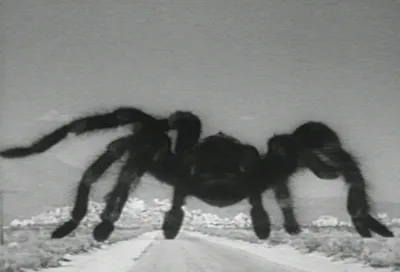
Tarantula monsters have been featured in numerous movies, books, and other media. Their large size, unique appearance, and potential for danger make them ideal subjects for horror and science fiction stories. They are often depicted as terrifying creatures, preying on humans. Some famous examples include the classic film “Tarantula!” and various appearances in horror movies. In literature, they are used to create suspense, fear, and a sense of the unknown. While these portrayals often exaggerate their aggression and danger, they have contributed to the public’s perception of these spiders.
Myths and Misconceptions
Numerous myths and misconceptions surround tarantula monsters. One common misconception is that they are highly aggressive and prone to biting humans. While they can bite, they are generally not aggressive and will only bite if provoked. Another myth is that their venom is deadly to humans, which is not true. Their venom is usually no more dangerous than a bee sting. Many people fear them because of their size and appearance. Education and exposure can help to dispel these myths and provide a more accurate understanding of these spiders.
How to Protect Yourself from a Tarantula Monster
Recognizing a Threat
Recognizing a threat from a tarantula monster involves understanding their behavior and potential triggers. They are more likely to bite if they feel threatened or cornered. Signs of agitation include raising their front legs, hissing, and flicking their urticating hairs. It’s important to remain calm and avoid sudden movements if you encounter one. Observe their body language to gauge their level of stress. Keeping a safe distance and avoiding any actions that may provoke them, such as touching or harassing them, is essential.
Safety Precautions
If you live in an area where tarantulas are found, take precautions to minimize the risk of encounters. Keep your yard free of debris that may provide shelter for spiders. When working outdoors, wear gloves and long sleeves to protect yourself from bites and urticating hairs. If you find a tarantula in your home, do not attempt to handle it. Contact a pest control professional or gently coax it into a container for relocation. Always respect these creatures and give them space. In case of a bite, wash the area with soap and water and seek medical attention if you experience severe symptoms or an allergic reaction.
Conclusion
Tarantula monsters are fascinating creatures that deserve respect and appreciation, despite their often-frightening reputation. By understanding their biology, behavior, and conservation status, we can dispel myths and promote a more informed view of these spiders. Recognizing their vital role in ecosystems and taking appropriate safety precautions can help us coexist peacefully. As we learn more about these amazing arachnids, we can protect their habitats. This will ensure that future generations can continue to be amazed by the tarantula monster.