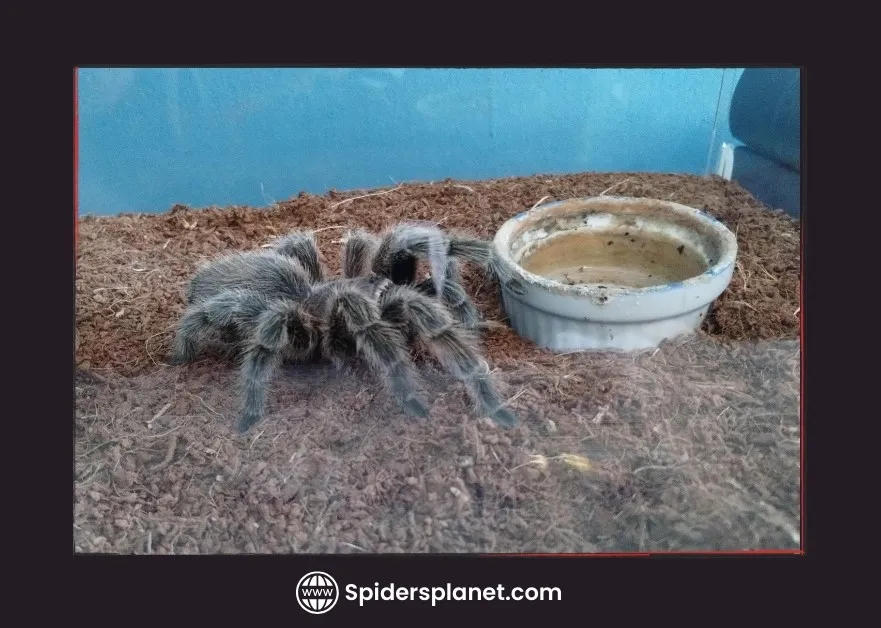
Understanding Post-Molt Behavior in Tarantulas
Observing a tarantula not eating after a molt can be a common concern for owners. This behavior, while sometimes alarming, is often a natural part of the tarantula’s life cycle. Understanding the reasons behind this behavior is crucial for ensuring the well-being of your pet. The molting process is physically demanding, and the tarantula needs time to recover and rebuild its exoskeleton. Appetite changes post-molt can be linked to various factors including the need to harden the new exoskeleton, recover energy, and adjust to physical changes. Careful observation and understanding of these behaviors can help you avoid unnecessary worry and ensure your tarantula’s healthy transition after a molt. This guide will provide you with the necessary knowledge to address the common concern of a tarantula not eating after molting.
Why Tarantulas Refuse Food After Molting
Several factors contribute to why a tarantula might refuse food after molting. First, the tarantula’s mouthparts (chelicerae) and fangs need time to harden after the molt. These are essential for catching and consuming prey. Soft fangs make it impossible to hunt, leading to disinterest in food. Second, the tarantula’s overall energy level is depleted after the molting process. It’s a physically strenuous activity. The tarantula is more focused on recovery rather than feeding. Also, the new exoskeleton is vulnerable and soft. The tarantula will avoid any unnecessary risks, including those associated with hunting and eating. This period of vulnerability protects the tarantula during a critical stage. Be patient and allow the tarantula the time it needs to regain its strength and appetite.
The Molting Process and Its Impact

Molting is a significant event in a tarantula’s life, involving shedding the old exoskeleton to make way for a new one. This process is essential for growth, as the exoskeleton doesn’t grow. The tarantula prepares for this by creating a new, soft exoskeleton beneath the old one. When the time is right, the tarantula will flip on its back, and the old exoskeleton splits open. The tarantula then wriggles out of the old shell. This process leaves the tarantula vulnerable and exhausted. Following the molt, the new exoskeleton is soft and pliable, requiring time to harden. During this period, the tarantula is at its most vulnerable, making it less likely to engage in activities such as eating. The entire process can take several hours, and the recovery period can last from several days to a few weeks, depending on the tarantula’s age and the environmental conditions.
Physical and Physiological Changes
The molt brings about significant physical and physiological changes in the tarantula. The new exoskeleton is initially soft and requires time to harden. The tarantula’s fangs and chelicerae also need to regain their strength and sharpness. Internally, the tarantula undergoes changes that affect its appetite and energy levels. It must rebuild its internal organs and restore the fluids lost during the molting process. These changes influence its behavior, making it less interested in eating until it fully recovers. Understanding these physical and physiological shifts helps in managing the tarantula’s post-molt care. The recovery time varies but generally depends on the tarantula’s overall health and the environment it lives in.
Environmental Factors That Affect Appetite
Environmental factors play a critical role in a tarantula’s appetite after molting. Proper temperature and humidity are essential for the tarantula to recover properly and regain its appetite. Extreme temperatures or humidity levels can stress the tarantula, delaying its recovery. A suitable habitat also contributes to the tarantula’s comfort and appetite. Stress can suppress the appetite. Make sure the habitat offers hiding places, and a substrate that is appropriate for burrowing species. A clean and well-maintained enclosure reduces stress and promotes a healthy environment. Regular cleaning and maintenance of the habitat are essential for the tarantula’s overall well-being and appetite.
Proper Hydration Is Essential

Hydration is a critical aspect of post-molt care for tarantulas. The molting process can be very dehydrating. Ensuring your tarantula has access to fresh, clean water is essential for its recovery and overall health. A shallow water dish is ideal for drinking, preventing any risk of drowning. Regularly check the water dish and refill it as needed. You can also mist the enclosure lightly, especially for species that prefer higher humidity levels. Providing adequate hydration helps the tarantula recover faster and supports its appetite. Dehydration can exacerbate the effects of the molt, so make sure the tarantula has access to sufficient water.
Creating the Ideal Post-Molt Environment
To ensure your tarantula recovers well after molting, create an ideal environment. Keep the enclosure clean and stable. Minimize disturbances and stress. Provide plenty of hiding places where the tarantula can feel safe and secure. Ensure the temperature and humidity levels are appropriate for the species. A well-maintained enclosure reduces stress and promotes recovery. Observe the tarantula closely, but avoid excessive handling. Patience is key during this period. Create a calming environment that allows your tarantula to heal. A comfortable environment is vital for helping the tarantula regain its appetite and resume normal activities. This can significantly contribute to the overall well-being of your pet.
Temperature and Humidity Considerations
Maintaining the correct temperature and humidity levels is crucial for a tarantula’s well-being. Use a reliable thermometer and hygrometer to monitor the enclosure’s climate. Temperature affects the tarantula’s metabolism and activity levels. Too cold, and the tarantula will be lethargic. Too hot, and it may be stressed. Humidity supports the tarantula’s respiratory system and aids in the hardening of its new exoskeleton. Adjust the heating and ventilation in the enclosure to maintain optimal conditions. Different species have different needs, so research your tarantula’s specific requirements. Providing the ideal climate can help reduce stress and speed up recovery. A well-regulated environment promotes healthy molting and overall well-being.
Offering the Right Food

Once the tarantula appears ready to eat, offer appropriate prey. Start with smaller, softer prey items to avoid stressing the tarantula. Crickets, mealworms, and dubia roaches are common choices. Make sure the prey is not too large, as the tarantula’s fangs may still be soft. Remove any uneaten prey within 24 hours. Be patient if the tarantula doesn’t eat immediately. It may take a few days for its appetite to return. Offering a variety of prey can increase the chances of success. Observe your tarantula’s behavior and adjust your approach as needed. A careful approach to feeding ensures the tarantula’s safety and encourages a return to normal eating patterns.
Choosing Appropriate Prey
Choosing the right prey is important for a tarantula’s health. Select prey that is appropriate in size. It should be no larger than the tarantula’s body size. Avoid prey that is too aggressive, as this can injure the tarantula. Make sure the prey is healthy and has been properly fed. Pre-feeding insects helps to provide additional nutrients for your tarantula. Variety in the diet is important. Different insects offer various nutrients, which promotes a balanced diet. The choice of prey will depend on the tarantula’s species and size. Carefully consider the best options to meet your tarantula’s nutritional needs. Feeding high-quality prey is fundamental to the tarantula’s overall health and well-being.
How to Encourage Eating
If your tarantula resists eating, there are a few things you can try. Offer prey at different times of day, as the tarantula may be more active at night. Try different types of prey. Sometimes a change in diet can stimulate interest. Ensure the enclosure is free of any disturbances. Reduce stress by minimizing handling and loud noises. Check the temperature and humidity levels to ensure they are ideal. If the tarantula still refuses to eat after a few weeks, consult with a veterinarian or an experienced tarantula keeper. Encourage the tarantula’s appetite with a combination of patience, observation, and the right environment. Persistent refusal to eat may require further investigation to identify any underlying health issues. Careful adjustments can often help to stimulate your tarantula’s appetite.
Handling and Observation

During the post-molt period, handling should be kept to a minimum. The new exoskeleton is soft and vulnerable. Excessive handling can stress the tarantula. Observe your tarantula regularly. This allows you to monitor its behavior and identify any potential issues. Look for signs of illness or injury. Note the tarantula’s activity levels. Ensure the tarantula has access to water and a suitable environment. Document any changes in behavior. This information can be helpful if you need to seek veterinary advice. Careful observation and minimal handling create a safer environment for your tarantula during the critical post-molt phase. This approach helps to prevent unnecessary stress and facilitates a smooth recovery.
When to Seek Veterinary Advice
While it’s normal for a tarantula not to eat after molting, there are times when veterinary intervention is needed. If the tarantula hasn’t eaten for an extended period, such as several weeks, it’s best to consult a vet. Look for other signs of illness, such as lethargy, loss of balance, or unusual behaviors. Seek veterinary care if the tarantula shows any signs of injury or trauma. A veterinarian can assess the situation and recommend appropriate treatment. Be prepared to provide information about your tarantula’s environment and care routine. Early intervention can often prevent more serious complications. Knowing when to seek professional help ensures the tarantula receives the best possible care. The advice of a qualified veterinarian is crucial for addressing any health concerns.
Identifying Potential Health Issues
Non-eating after a molt can sometimes signal underlying health issues. Parasites or internal infections can disrupt the tarantula’s appetite. Other symptoms to look for include unusual postures, tremors, or discoloration. A vet can conduct tests to diagnose these conditions. Dehydration can also affect the tarantula’s willingness to eat. Ensure proper hydration and a suitable environment. Molting problems can be another issue. If the molt was incomplete or difficult, the tarantula may not feel well. Address these issues promptly to protect your pet. Early detection and treatment are important for the tarantula’s health. A vet can provide a clear diagnosis and recommend effective solutions to address the underlying cause.
Long-Term Care and Prevention

Long-term care involves maintaining a healthy environment. This includes providing the right temperature and humidity levels. Offer a balanced diet and monitor the tarantula’s eating habits regularly. Keep the enclosure clean and minimize disturbances. Regularly check the tarantula’s overall health. Prevention is essential in tarantula care. Regularly inspect the enclosure for potential hazards, such as sharp objects or toxic substances. Avoid overcrowding and provide adequate space for the tarantula to move. Regular observation helps to detect early signs of any problems. Prioritize the tarantula’s health and well-being to encourage molting. Providing the right care makes certain that the tarantula can live a long and healthy life. With consistent care and attention, your tarantula will thrive.