Choosing the Right Tarantula
Bringing a tarantula into your home can be an incredibly rewarding experience, but it’s essential to start with the right species. Not all tarantulas are created equal when it comes to their suitability as pets. Factors like temperament, venom potency, and care requirements vary significantly. Before you bring a tarantula home, thorough research is vital. Understanding their specific needs ensures both your safety and the well-being of your new pet. This initial phase sets the foundation for a successful and enjoyable tarantula-keeping journey, allowing you to appreciate these fascinating creatures fully. Consider their temperament, size, and overall care needs, aligning them with your experience level and lifestyle to ensure a good fit for both you and the tarantula.
Beginner-Friendly Tarantula Species
For those new to tarantula ownership, certain species are known for their docile nature, hardiness, and relatively straightforward care requirements. These beginner-friendly tarantulas offer an excellent introduction to the world of arachnids, allowing you to learn the fundamentals of tarantula care without the added challenges of more demanding species. Focusing on these initial options ensures a smoother transition into tarantula keeping, helping you build confidence and experience. Their resilience to common care mistakes makes them perfect for beginners. Opting for these species allows you to build a solid foundation of knowledge and care practices.
Mexican Red Knee

The Mexican Red Knee (Brachypelma hamorii) is a popular choice for beginners due to its striking appearance and generally calm temperament. Known for its vibrant red and black markings, the Red Knee is also relatively docile, making handling (with caution) a possibility once you’re comfortable. They’re also relatively hardy, tolerating minor fluctuations in their environment. Red Knees are long-lived, which means you’ll have a companion for many years. Their calm nature and manageable care requirements make them an excellent starting point.
Chilean Rose Hair
The Chilean Rose Hair (Grammostola rosea) is another excellent choice for novice tarantula keepers. These tarantulas are known for their gentle temperament and are often considered the most docile of the common pet tarantula species. They are also relatively slow-growing and less prone to biting, which can make them a less intimidating pet. Their lower activity levels also mean they are less demanding in terms of enclosure size and environmental control. Overall, their adaptability makes them one of the easiest tarantulas to care for, offering a simple entry point into the hobby.
Other Suitable Species
Besides the Mexican Red Knee and Chilean Rose Hair, other tarantula species are also well-suited for beginners. Consider the Curly Hair tarantula, known for its fluffy appearance and mild disposition. Also, the Pinktoe tarantula, a more arboreal species, offers a different experience but is generally manageable. When choosing, research specific species characteristics like temperament, size, and care requirements. Your research will ensure you select a tarantula you can handle and meet its needs effectively.
Setting Up Your Tarantula Habitat

Creating a suitable habitat is crucial for your tarantula’s health and happiness. The enclosure must replicate their natural environment, providing a safe and comfortable space. The setup should consider various aspects of the tarantula’s needs, including the right size, appropriate substrate, and controlled temperature and humidity. A well-designed habitat minimizes stress, promotes normal behavior, and contributes to a longer lifespan for your pet. Investing time in setting up the ideal environment is a vital step in successful tarantula ownership.
The Right Enclosure
The enclosure should be appropriately sized for the tarantula’s adult size and species-specific behaviors. Avoid overly large enclosures, as they can make it harder for the tarantula to find food and can lead to stress. For terrestrial species, a wider enclosure is preferable, while arboreal tarantulas require taller enclosures to facilitate climbing. The enclosure must have a secure lid to prevent escapes and should be made of a material that is easy to clean and allows for proper ventilation, such as glass or acrylic. Ensure the enclosure design provides adequate ventilation to prevent humidity buildup and the growth of mold or fungus.
Substrate Selection
The substrate serves as the tarantula’s bedding, providing a surface to walk on and burrow in. Choose a substrate based on the tarantula’s species and its need for humidity retention and burrowing ability. Good substrate options include coconut fiber, peat moss, and a mix of soil and sand. Avoid substrates with sharp edges or toxic components, as these can harm the tarantula. Ensure the substrate is deep enough to allow for burrowing, especially for terrestrial species that like to dig. Change the substrate regularly to keep the enclosure clean and prevent the buildup of harmful bacteria and mold.
Temperature and Humidity Control

Maintaining the correct temperature and humidity levels is vital for your tarantula’s health. Most tarantulas thrive in temperatures between 75-85°F (24-29°C), while humidity levels vary depending on the species. Use a thermometer and hygrometer to monitor these levels. You can regulate temperature using a heat lamp or under-tank heater. Increase humidity by misting the enclosure with water or providing a water dish. Ensure adequate ventilation to prevent excess moisture. Regularly check and adjust the temperature and humidity to prevent stress and ensure the tarantula’s health. For the most part, tarantulas do fine with room temperature, but proper monitoring is always best.
Essential Equipment
Besides the enclosure, substrate, and climate control equipment, other items are essential. Include a shallow water dish to provide your tarantula with fresh water. Provide decorations such as cork bark, branches, or artificial plants to offer hiding places and enrich the environment. Use a feeding dish to reduce the risk of escaped food and to keep the enclosure clean. Other useful equipment includes tongs for feeding and a spray bottle for misting. Regular cleaning tools, such as a small scoop or a vacuum, are also handy. These items contribute to a functional and aesthetically pleasing habitat.
Feeding Your Tarantula
Feeding your tarantula is a straightforward process, but understanding their dietary needs is essential. Tarantulas are carnivores and primarily eat insects. The size and frequency of feeding depend on the species, age, and size of the tarantula. Providing a varied diet of appropriate-sized insects ensures the tarantula receives the necessary nutrients for optimal health and growth. Always provide a clean water source and remove uneaten food promptly to prevent the buildup of mold and bacteria. Careful attention to your tarantula’s feeding habits guarantees its health and well-being, making this a critical aspect of their care.
What to Feed

The primary food source for tarantulas is insects. Crickets, mealworms, roaches, and other commercially available insects make good options. The insects must be smaller than the tarantula’s body to prevent the tarantula from getting overwhelmed. For baby tarantulas, fruit flies or small crickets are ideal. Always ensure the insects are gut-loaded with nutritious food before feeding them to your tarantula. This ensures your tarantula gets the essential vitamins and minerals. Avoid feeding insects that have been exposed to pesticides or chemicals, as these can be harmful to your pet.
Feeding Frequency
The frequency of feeding varies depending on the age and size of your tarantula. Spiderlings (baby tarantulas) need to be fed more frequently, often every other day. As the tarantula grows, the feeding frequency can decrease. Adult tarantulas can typically be fed once or twice a week. Observe your tarantula’s abdomen; if it is round and full, the tarantula is well-fed. Do not overfeed your tarantula; uneaten insects can stress your pet and create an unsanitary environment. Adjust the feeding schedule based on your tarantula’s appetite and growth rate.
Watering and Hydration
Water is essential for a tarantula’s survival. Always provide fresh water in a shallow dish that is easily accessible. The water dish should be kept clean and refilled regularly. Mist the enclosure lightly, especially during molting, to maintain proper humidity levels. Ensure the water is clean and free of contaminants. Make sure there is proper ventilation so the enclosure does not become too humid, which can cause issues. Your tarantula’s access to clean water is critical for its health and well-being.
Handling and Safety
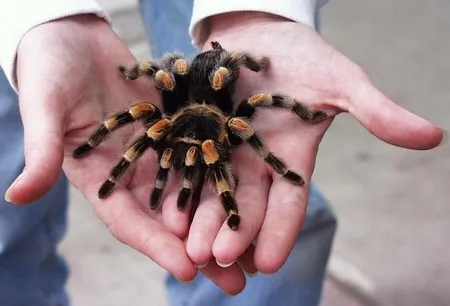
While some tarantulas can be handled, it is generally not recommended, especially for beginners. Handling can be stressful for the tarantula and can lead to bites or other issues. If you choose to handle your tarantula, approach it with caution, and always be aware of its behavior. Handling may be seen as an unnecessary risk. Always prioritize the safety of both yourself and your pet. Responsible ownership means taking appropriate precautions to avoid any possible harm.
Safe Handling Practices
If you choose to handle your tarantula, do so with extreme caution. Approach the tarantula slowly and gently. Never make sudden movements, as these can startle the tarantula. Handle the tarantula over a soft surface, such as a bed or a carpet, in case it falls. Always wash your hands before and after handling your tarantula. Avoid handling after applying hand lotion or other substances to your hands. If the tarantula becomes agitated or shows signs of stress, put it back in its enclosure immediately. Handle your pet only if you feel comfortable and are aware of the risks.
Recognizing Signs of Stress
Tarantulas can exhibit various signs of stress, which is important to recognize. These include defensive postures, such as raising their front legs or rearing up. Other signs include flicking hairs (urticating hairs), which can cause skin irritation, or biting. If the tarantula starts to run around erratically or refuses to eat, it may also be stressed. If you observe any signs of stress, put the tarantula back in its enclosure immediately. Provide it with a quiet and secure environment. Monitor the tarantula closely and address any potential issues, such as improper temperature, humidity, or handling.
Health and Veterinary Care
Tarantulas are generally hardy, but they can still suffer from health issues. Common problems include injuries from falls, parasites, and molting complications. Provide a clean and stress-free environment to minimize the risk of health problems. Always observe your tarantula for any unusual behavior, such as loss of appetite or lethargy. If you notice any health concerns, consult a veterinarian specializing in exotic animals. Early intervention is essential for successful treatment. Regular observation and proactive care contribute to your tarantula’s health and longevity. Knowing your pet’s normal behavior is vital to recognize when something is wrong.
Getting started with a tarantula as a pet can be an exciting and rewarding experience. By following these guidelines, you can ensure your tarantula’s health, safety, and happiness. Always prioritize research and learning throughout the process. Enjoy your fascinating journey into the world of tarantulas!