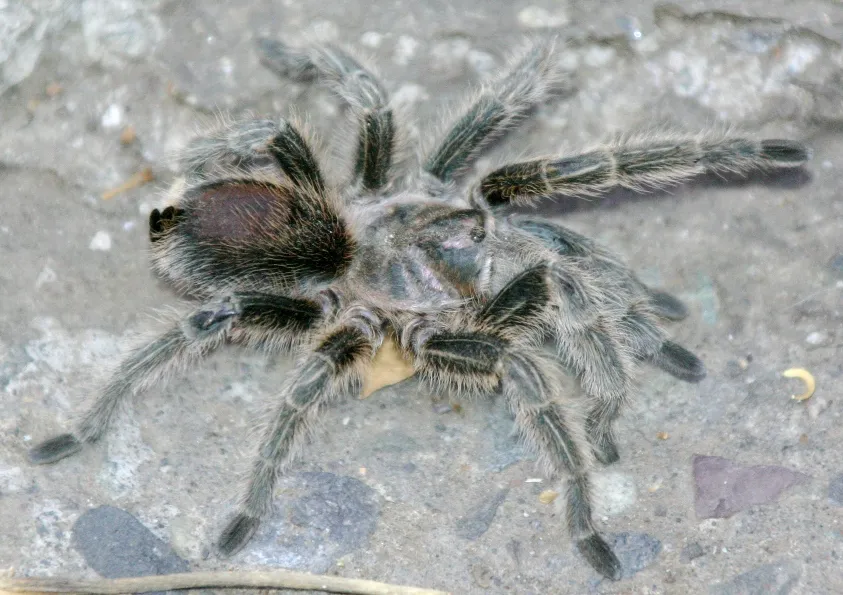
Top 5 Amazing Facts about Tarantulas in Qatar
Qatar, a land of sun-baked deserts and unique ecosystems, is home to some fascinating creatures, including the often-misunderstood tarantula. These large, hairy spiders, though intimidating in appearance, are a vital part of the local environment. Understanding these arachnids, their behavior, and their role in the ecosystem can be a captivating experience. This article delves into five amazing facts about tarantulas in Qatar, uncovering their secrets and dispelling common myths. From their diverse species to their intricate hunting strategies and the threats they face, we will explore the world of these remarkable creatures. Prepare to be amazed by the hidden wonders of the Qatari desert and the magnificent tarantulas that call it home.
Diverse Tarantula Species in Qatar
Qatar boasts a surprising diversity of tarantula species, each adapted to thrive in the harsh desert environment. These spiders vary in size, color, and behavior, adding to the richness of the local fauna. The arid conditions have shaped these creatures, leading to unique adaptations that help them survive. They often exhibit cryptic coloration, blending seamlessly with the sandy landscape, making them difficult to spot. The study of these species is crucial for conservation efforts, as understanding their specific needs and habitats is essential for protecting them. The types of tarantulas you can see in Qatar is not common in other places due to the environment and the way they have developed.
Identifying Native Tarantulas

Identifying native tarantula species requires careful observation of their physical characteristics and behavior. Size, leg span, coloration, and the presence of specific markings are key identifiers. The type of habitat the tarantula is found in can also provide clues to its identity. In Qatar, some common species include variations of the genus Cyrtopholis. Knowing the subtle differences between species is important for accurate identification. This also helps to avoid confusion with introduced or non-native species. Careful observation, combined with field guides or expert consultation, is often necessary for precise identification. Look at their size, color, and if it is a male or a female, as males are usually smaller and have different physical traits.
Unique Adaptations of Qatar Tarantulas
Tarantulas in Qatar have developed unique adaptations to survive in the extreme desert environment. These adaptations include the ability to withstand high temperatures, conserve water, and effectively hunt prey in a resource-scarce environment. Their nocturnal behavior, for example, helps them avoid the intense daytime heat. Many species burrow deep into the sand, creating cooler, more humid microclimates. Others have evolved efficient methods of water conservation, such as extracting moisture from their prey. These adaptations are a testament to the resilience and adaptability of these creatures. The desert is a harsh environment and the tarantula had to change and develop based on the place it was living in.
Camouflage and Defensive Mechanisms
Camouflage is a critical survival strategy for tarantulas in Qatar. Their coloration often blends seamlessly with the sandy terrain, making them nearly invisible to both predators and prey. Beyond camouflage, tarantulas employ a range of defensive mechanisms to protect themselves. These can include flicking urticating hairs (tiny, irritating hairs) from their abdomen, which can cause significant discomfort to potential threats. Some species also have powerful bites, though they are generally not considered life-threatening to humans. Understanding these defensive strategies provides insights into the challenges tarantulas face in their environment. The tarantula’s camouflage helps it to survive, as well as its defense mechanisms.
Hunting Strategies of Qatar Tarantulas

Tarantulas in Qatar are skilled hunters, employing various strategies to capture their prey. They are primarily ambush predators, patiently waiting for unsuspecting insects, small lizards, or other invertebrates to wander within striking distance. Some species create elaborate burrows, using vibrations to detect the movement of potential meals. Others actively stalk their prey, using their keen senses to locate and pursue them. The size of the tarantula often determines the size of the prey it targets. These spiders play a critical role in controlling insect populations, thereby maintaining balance within the local ecosystem. They have developed skills to effectively hunt any kind of small animal or insect.
Ambush Predators and Their Prey
The majority of Qatar tarantulas are ambush predators, lying in wait for their prey. Their burrows or camouflaged positions provide excellent concealment. When an unsuspecting insect or small animal ventures close, the tarantula launches a swift and precise attack. Their powerful fangs inject venom, which paralyzes and starts to digest the prey. The diet of these tarantulas consists mainly of insects, but larger species may occasionally capture small lizards or rodents. The ambush strategy requires patience, precision, and a keen understanding of the local environment. This is why they are located in places that can provide them with everything they need and are usually hidden.
Tarantula Habitats and Ecosystems in Qatar
Tarantulas in Qatar inhabit a range of ecosystems, including sandy deserts, scrublands, and rocky areas. The presence of these spiders is an indicator of a healthy ecosystem. Their burrows, often constructed in the sand or under rocks, provide shelter from the harsh weather and predators. The vegetation and the availability of prey also influence their distribution. Different species may prefer specific habitats, contributing to the biodiversity of the region. Their role in the ecosystem is vital, helping to regulate insect populations and serving as a food source for other animals. Their habitats are their homes and they have chosen Qatar as their place to live in due to the great conditions of the desert.
Desert Environments and Burrowing

The desert environment presents unique challenges for tarantulas. High temperatures, low humidity, and a scarcity of resources necessitate specific adaptations. Burrowing is a common behavior, allowing tarantulas to escape the intense heat and conserve moisture. These burrows provide a cooler, more stable microclimate. The depth and design of the burrows vary depending on the species and the soil conditions. Some tarantulas line their burrows with silk to stabilize the walls and create a comfortable living space. The ability to create and maintain a suitable burrow is essential for survival in the harsh desert. The tarantula’s burrow is the place where it can have everything it needs to survive.
Conservation Status and Threats
The conservation status of tarantulas in Qatar is an area of increasing concern. Habitat loss due to urbanization and development poses a significant threat to their survival. The illegal pet trade and the use of pesticides also impact their populations. Climate change, which is leading to more extreme weather events, further exacerbates these challenges. Understanding the specific threats faced by these spiders is essential for developing effective conservation strategies. This includes habitat preservation, public education, and responsible pet ownership. Supporting research and monitoring efforts is also key to assessing the long-term viability of tarantula populations in Qatar.
Impact of Climate Change
Climate change poses a serious threat to tarantulas in Qatar. Rising temperatures, altered rainfall patterns, and more frequent extreme weather events can disrupt their habitats and affect their survival. Changes in vegetation can impact prey availability, forcing tarantulas to adapt or face starvation. Increased drought can lead to a decline in water sources, making it harder for tarantulas to conserve moisture. Understanding the specific impacts of climate change on these spiders is crucial for developing conservation strategies. This includes habitat restoration, water conservation measures, and promoting resilience to environmental change. The impact of climate change could be very devastating and could possibly cause extinction.
In conclusion, tarantulas in Qatar are fascinating creatures, perfectly adapted to their harsh environment. From their diverse species and unique adaptations to their complex hunting strategies and the challenges they face, these spiders play a vital role in the Qatari ecosystem. By understanding their biology, habitats, and the threats they face, we can work to protect these remarkable arachnids for future generations. Appreciating their place in the natural world allows us to better protect them and the delicate balance of the desert ecosystem.