Understanding Tarantula Season in California
California’s tarantula season is a captivating natural phenomenon, a time when these often-feared creatures become more visible as they embark on their mating rituals. Typically occurring in the late summer and fall months, from September to October, this period offers a unique opportunity for wildlife enthusiasts and nature lovers to witness the fascinating behaviors of these large, hairy spiders. Understanding the triggers and dynamics of this season is crucial for anyone looking to observe or learn more about California’s tarantulas. The increase in sightings is primarily due to the males actively seeking out females, making them more likely to be seen crossing roads, trails, and other open areas. This migration is a key aspect of their life cycle, a remarkable display of survival and reproduction in the natural world.
What Triggers Tarantula Season
Environmental Factors

Several environmental factors play pivotal roles in initiating the tarantula mating season. Temperature is a primary driver; as the weather cools down in late summer, it signals the spiders to begin their mating behaviors. This temperature change acts as a cue, prompting the males to start their search for females. Additionally, the availability of moisture and the timing of rainfall can influence the start and duration of the season. Adequate moisture levels in the soil and surrounding environment contribute to the overall health and activity of the tarantulas, making it a more favorable time for mating. These environmental conditions are intertwined, creating the perfect timing for the tarantulas to emerge and start their reproductive cycle.
Mating Season Dynamics
During the mating season, male tarantulas leave their burrows to find a mate, and their behavior changes dramatically. Males become highly mobile and can travel considerable distances, often covering miles, in search of females. This journey involves navigating various terrains, including roads and trails, which increases the likelihood of encountering them. The males use pheromones to attract females, and once a female is located, the male begins a courtship dance. This dance involves a series of movements and vibrations designed to signal his intentions without being mistaken for a threat. If the female accepts the male, mating occurs, a delicate process that is crucial for the continuation of the species. These mating dynamics showcase the complex behaviors and biological imperatives that drive tarantula behavior during this time.
Identifying Tarantulas
Common California Tarantula Species

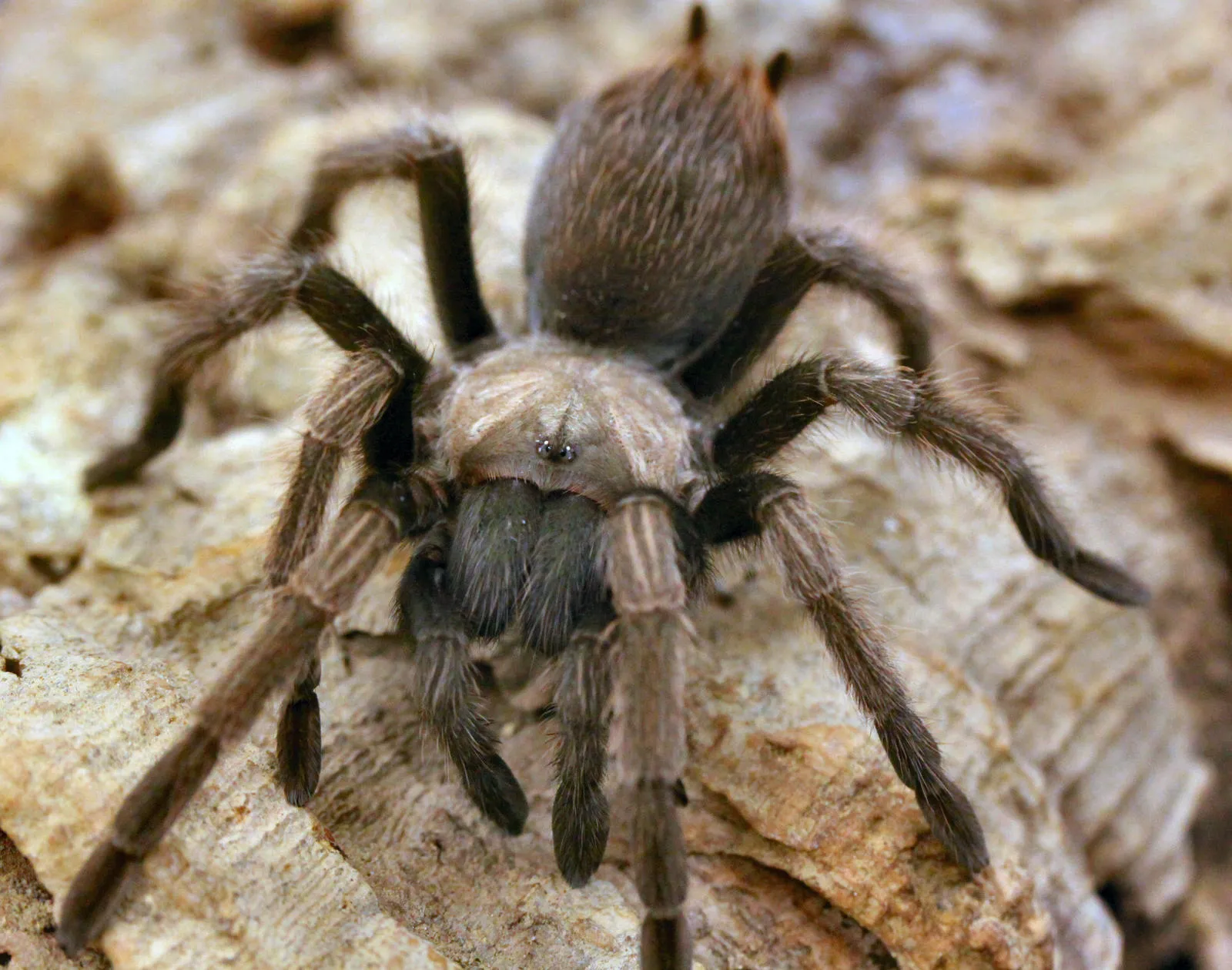
Several species of tarantulas call California home, with the most commonly observed being the California tarantula (Aphonopelma californicum). These spiders are known for their large size, hairy bodies, and dark coloration, which allows them to blend seamlessly into their environment. Other species might be found in specific regions, but the California tarantula is the most widespread. Understanding the specific characteristics of each species helps in identifying them during the season. Accurate identification is key to appreciating the diversity of these creatures and understanding their behaviors. Pay attention to size, color, and habitat to help narrow down which species you might have encountered.
Distinguishing Males and Females
Distinguishing between male and female tarantulas is essential for understanding their behavior during mating season. Males are typically smaller and more slender than females, with longer legs that are often used for mating. They have specialized pedipalps, which are small appendages near their mouths, that they use to store sperm. Females are larger and more robust, with a bulkier abdomen, designed to carry eggs. This difference in appearance directly relates to their roles in reproduction, making it easier to differentiate them. By observing these physical traits, observers can better understand the purpose behind the tarantula’s behaviors during this season.
Preparing for Tarantula Season
Safety Precautions

Safety is paramount when encountering tarantulas in their natural habitat. While tarantulas are generally not aggressive, it is important to exercise caution and respect their space. Maintain a safe distance and avoid any sudden movements that could be perceived as a threat. Tarantulas can bite if they feel threatened, and their bites, while not typically dangerous to humans, can be painful. Additionally, tarantulas have urticating hairs, which can cause irritation if they come into contact with skin or eyes. These hairs are a defense mechanism for the spiders. Observing these precautions will significantly reduce any risk of an adverse encounter with these spiders. Keeping a safe distance is also essential to protect the spiders and ensure they are not disturbed during their mating rituals.
Appropriate Attire and Gear
When venturing into tarantula habitats, it is advisable to wear appropriate attire and bring suitable gear to ensure a safe and enjoyable experience. Wear sturdy shoes or boots to protect your feet, and long pants to shield your legs from potential bites or contact with urticating hairs. Avoid wearing brightly colored clothing, as these can attract attention. It is a good idea to carry a flashlight for improved visibility, particularly if you’re exploring during dawn, dusk, or at night. Having a first-aid kit on hand, including items like antiseptic wipes and bandages, is always prudent. Binoculars can be helpful for observing tarantulas from a distance. With this gear, one can be equipped to safely observe these creatures and appreciate the surrounding ecosystem.
Dealing with Encounters
Encountering a tarantula in its natural habitat can be exciting, but it is important to know how to handle these situations appropriately. If you encounter a tarantula, remain calm and avoid any sudden movements. Do not attempt to touch or handle the spider. Observe it from a distance, and allow it to move freely without interference. If a tarantula approaches you, slowly back away and give it space to continue its journey. Avoid cornering the tarantula, as this can make it feel threatened and cause it to act defensively. If a bite occurs, seek medical attention immediately and clean the area thoroughly. By being respectful of the tarantula and its environment, you can have a safe and positive experience while observing these remarkable creatures.
How to Observe Tarantulas

Observing tarantulas in their natural environment is an experience that requires patience, respect, and knowledge. The best approach is to move slowly and quietly, minimizing any disturbance to their habitat. Look for them in the areas where they are most active, such as open trails, roads, and fields, especially during the late afternoon and early evening hours. Consider the time of day. Males are most active when they are searching for mates. Avoid using flash photography, as it can disorient or startle the spiders. Instead, rely on natural light, or use a flashlight with a red filter. By adopting a respectful approach, it is possible to experience the natural beauty and wonder of observing tarantulas without disturbing their lives or causing harm.
Best Locations for Viewing
Various locations in California offer excellent opportunities to observe tarantulas in their natural habitat. State parks and national forests are prime locations, providing large areas of undisturbed land where tarantulas thrive. Some well-known areas include certain parts of the Mojave Desert, the foothills of the Sierra Nevada, and various grasslands and oak woodlands. When planning a viewing trip, check the specific locations for any restrictions or warnings. It is also wise to research the local conditions and weather patterns prior to your visit. Check the ranger’s office for updates. By choosing the right place and using relevant information, one can increase the chance of spotting these magnificent creatures.
Respecting Tarantula Habitats
Respecting the tarantula habitat is critical for the preservation of these creatures and their environment. Stay on designated trails to avoid disturbing their burrows and habitats. Refrain from touching, handling, or attempting to move any tarantulas you encounter, because this can cause them stress or harm. Leave the area as you found it. Avoid littering or disturbing any of the vegetation or wildlife. Educate others on the importance of tarantulas and their habitat, helping to foster a greater appreciation for these animals. By showing respect for the environment and understanding the critical role that each species plays, you are contributing to the health and balance of the entire ecosystem. Support conservation efforts and initiatives that protect tarantula habitats.
Post-Observation Considerations

After your tarantula observation adventure, there are several considerations that will enhance your experience and assist you in doing your part to preserve the habitats. Document your observations by taking notes, photos, or videos, which can later be used to increase our knowledge. Share your observations with others and help spread awareness about tarantulas. Share the information on social media or websites and help to build appreciation. Report any sightings of rare or unusual behavior. Contribute to citizen science projects by submitting your observations to relevant databases. Engaging in these activities will help to deepen your understanding and promote the appreciation of tarantulas and their unique role within California’s diverse ecosystem.