Tarantula Size — Top 5 Astonishing Facts
Tarantulas, with their hairy legs and imposing presence, are fascinating creatures that often spark curiosity. One of the most common questions about these arachnids revolves around their size. While many people have a general idea, the actual range of tarantula sizes can be quite surprising. From the giants that can span the size of a dinner plate to smaller, more compact species, the world of tarantulas offers a diverse range of dimensions. This article dives deep into the fascinating facts surrounding tarantula size, providing insights into the factors that influence it and highlighting some of the most notable species.
What Factors Affect Tarantula Size?
Several factors contribute to the ultimate size a tarantula will reach. Understanding these elements provides a clearer picture of why there’s such a variance in size across different species and even within the same species. These factors include genetics, diet, and the environment in which the tarantula lives. The interplay of these elements determines how large a tarantula can grow, and influences its overall health and well-being. Careful consideration of these factors is essential for those who keep tarantulas as pets or study them in their natural habitats.
Genetics and Species

The most significant factor in determining a tarantula’s size is its genetic makeup. Different species of tarantulas have evolved to reach different sizes. For instance, the Goliath Birdeater is known for being one of the largest tarantula species, while others, like the Antilles Pinktoe, are considerably smaller. The genetic blueprint of each species predetermines the size range it can achieve. Species-specific genetics dictate the growth potential, influencing how large an individual tarantula can become. This genetic influence is why you’ll see predictable size differences between different species.
Diet and Nutrition
Nutrition plays a crucial role in a tarantula’s growth and development. A tarantula’s diet directly impacts its ability to reach its full size potential. Adequate food intake, including the appropriate balance of nutrients, is essential for healthy growth. Tarantulas that are well-fed typically grow larger than those that are underfed or have a poor diet. The types of prey consumed, the frequency of feeding, and the overall quality of the diet can all affect a tarantula’s size. Proper nutrition is key to ensuring a tarantula thrives and reaches its optimal size within the species-specific range.
Considerations like the tarantula’s access to fresh water and the presence of any vitamin supplements can also influence the nutritional value of their diet. A varied and balanced diet is important. This is especially true for tarantulas raised in captivity, where their nutrition is entirely dependent on the care provided by their owners. By providing an appropriate diet, one can help maximize the tarantula’s potential growth.
Habitat and Environment
The environmental conditions in which a tarantula lives also affect its size. Factors such as temperature, humidity, and the availability of space can play a significant role. For example, tarantulas in more stable and favorable environments, with consistent temperatures and adequate humidity, tend to grow larger. The availability of space is another environmental factor that can influence size, since tarantulas that have ample room to move and grow tend to thrive better. This is especially noticeable in captive environments. Providing the appropriate habitat is crucial for a tarantula’s overall health. This also includes creating an environment that supports its natural behaviors and allows it to reach its full size potential.
Fact 1 The Goliath Birdeater The Largest

The Goliath Birdeater (Theraphosa blondi) is one of the largest tarantula species in the world, often cited as the heaviest spider. Native to the rainforests of northern South America, these giants can reach impressive sizes, making them a standout example of arachnid gigantism. The Goliath Birdeater’s sheer size is awe-inspiring and a significant factor in its reputation as a remarkable species. Their size is one of the main reasons they are a popular topic of discussion among arachnid enthusiasts.
Size Range and Dimensions
The Goliath Birdeater’s leg span can exceed 12 inches (30 centimeters), and they can weigh over 6 ounces (170 grams). Their body length, not including the legs, can reach up to 5 inches (13 centimeters). These dimensions make them a truly imposing presence. Their size is a clear indicator of their predatory prowess. Their large size also plays a role in their survival in their natural habitat. They are capable of taking down small birds and other animals, and this is due to their size.
Lifespan and Growth
Goliath Birdeaters have a relatively long lifespan, especially the females, which can live for over 25 years. They undergo numerous molts throughout their lives, each time shedding their exoskeleton and growing larger. The growth rate of Goliath Birdeaters can be significant in the early stages of their lives. The molting process is a vulnerable time for the tarantula. During this period, they are particularly susceptible to predators and must be kept in a safe environment. The frequency of molting slows down as they mature, but the process continues throughout their lives, allowing them to maintain their size.
Fact 2 The Mexican Red Knee The Most Popular

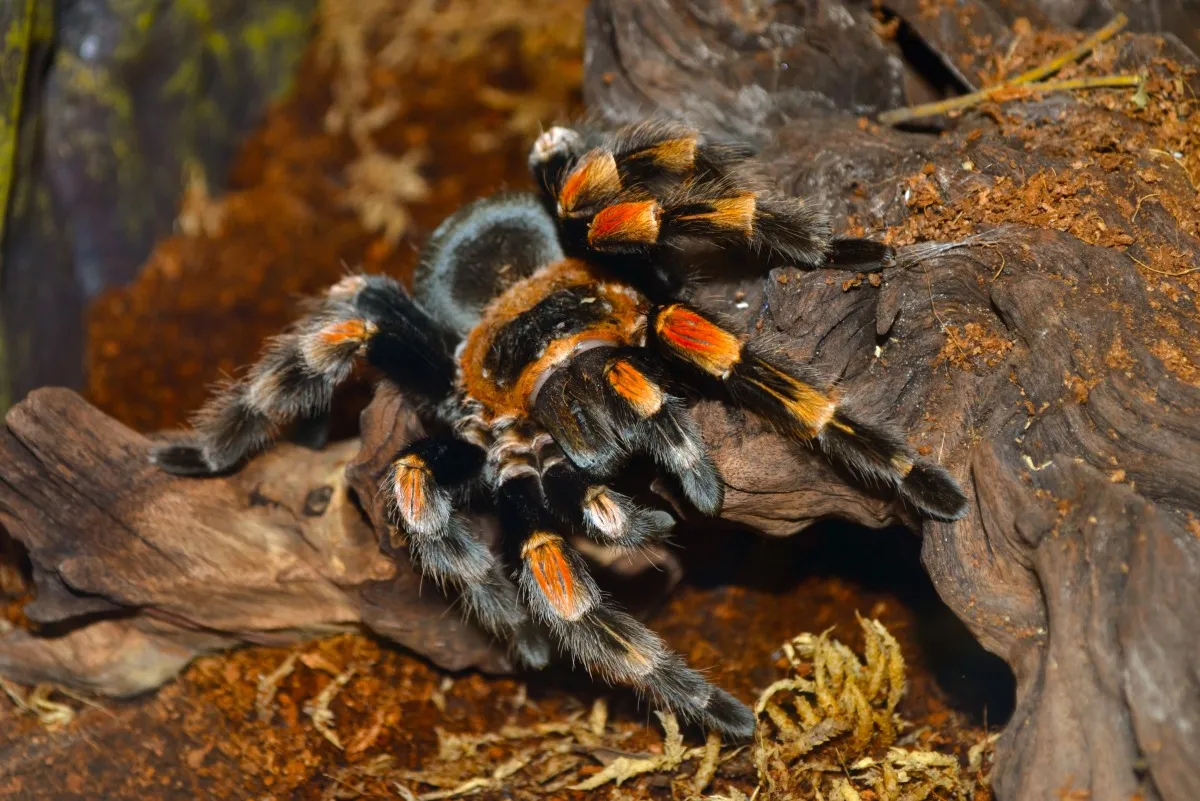
The Mexican Red Knee (Brachypelma hamorii) is one of the most popular tarantula species kept as pets, known for its striking appearance and relatively docile temperament. Their manageable size and ease of care make them an excellent choice for both novice and experienced keepers. They are a classic example of the beauty and fascination of tarantulas. Their distinctive coloration and calm demeanor have made them a staple in the pet trade.
Size Range and Dimensions
Mexican Red Knees typically have a leg span of around 5 to 6 inches (13 to 15 centimeters). Their body length is usually about 2 to 3 inches (5 to 8 centimeters). These dimensions make them moderately sized compared to the Goliath Birdeater. They are still large enough to be impressive while being manageable for many pet owners. The size of the Mexican Red Knee contributes to their appeal as a pet. Their striking appearance and manageable size make them ideal.
Growth and Development
Mexican Red Knees, like all tarantulas, grow through molting. They undergo several molts throughout their lives. The frequency of molting decreases as they mature. Juvenile tarantulas molt more frequently than adults. The molting process is essential for their growth. During this time, they shed their exoskeleton and reveal a new, larger one. Proper care, including providing a suitable habitat and adequate nutrition, is crucial to ensure their healthy development.
Fact 3 The Pinktoe Tarantula The Smallest

The Pinktoe tarantula (Avicularia avicularia) is a smaller species of tarantula. This makes it popular among those who prefer smaller, more manageable pets. Known for their arboreal lifestyle and vibrant colors, Pinktoes offer a unique appeal. Their size makes them well-suited for smaller enclosures, which can be a significant advantage for those with limited space. They are an ideal choice for those new to tarantula keeping.
Size Range and Dimensions
Pinktoe tarantulas typically have a leg span of around 4 to 5 inches (10 to 13 centimeters). Their body length is usually around 1 to 2 inches (2.5 to 5 centimeters). These dimensions make them noticeably smaller compared to the Mexican Red Knee or the Goliath Birdeater. Their size makes them easier to handle and care for. The manageable size contributes to their charm as a pet.
Lifespan and Care
Pinktoe tarantulas generally have a lifespan of 5 to 10 years. The females typically live longer than the males. Their care requirements are relatively straightforward, making them suitable for both beginners and experienced keepers. They require a humid environment. The proper habitat includes appropriate substrate, climbing structures, and a water source. With proper care, Pinktoe tarantulas can thrive and provide years of enjoyment. Their smaller size also means their care is often more economical.
Fact 4 Size Comparison Between Species

Comparing different tarantula species provides a clearer understanding of the vast size range within this group. The size differences can be quite dramatic, with some species dwarfing others. Understanding these differences is important for anyone considering keeping tarantulas as pets or studying them in the wild. The diversity in size adds to the fascination surrounding these creatures.
Overall Size Differences
The size differences between tarantula species are significant. The Goliath Birdeater is at the extreme end, while species like the Pinktoe are much smaller. The Mexican Red Knee falls somewhere in the middle, making for a useful comparison point. These size differences are primarily due to genetics. Diet and environmental conditions also play a role. The diverse size range allows tarantulas to occupy a variety of ecological niches, each adapted to their particular size and lifestyle. The variety in size reflects the incredible evolutionary success of tarantulas.
Factors Affecting Size Differences
As mentioned earlier, genetics are the primary driver of size differences. Different species have evolved to reach different sizes, and this is determined by their genetic makeup. Diet and environment also play a role, but genetics are the most significant factor. Adequate nutrition is crucial for all tarantulas to reach their potential size. Environmental conditions, such as temperature and humidity, can also affect growth. The interaction of these factors results in the size variation observed among different tarantula species. Maintaining ideal conditions can help maximize growth.
Fact 5 Measuring a Tarantula

Measuring a tarantula can be an interesting task, but it’s important to do it safely and accurately. Understanding how to measure these creatures gives insight into their growth and development. This also allows keepers to monitor their pets’ health. The key to accurate measurement lies in using the right tools and techniques. This should be done carefully to avoid stressing or harming the animal.
Tools and Techniques
The most common tool used to measure a tarantula is a ruler or a flexible measuring tape. The method varies depending on whether the tarantula is in a container or out in the open. For tarantulas in containers, measurements can often be taken through the glass. For those being handled, measurements should be taken cautiously, avoiding any unnecessary stress. The safety of both the tarantula and the person doing the measuring should always be a top priority. Careful consideration of the tarantula’s posture is also important to get an accurate measurement.
Methods of Measurement
The primary measurement for tarantulas is their leg span, which is the distance from the tip of one leg to the tip of the opposite leg on the same side. The body length, which is the length of the cephalothorax and abdomen, is also measured. When measuring, it’s important to keep the tarantula in a relaxed position. Careful handling and patience are crucial during the measurement process. Accurately recording these measurements over time can help monitor the tarantula’s growth. This can also help detect any potential health issues. The measurements also provide valuable data for researchers.
In conclusion, the size of a tarantula is a fascinating aspect of their biology. From the massive Goliath Birdeater to the smaller Pinktoe, the size variation reflects the diversity within this group. Factors such as genetics, diet, and environment all play a crucial role in determining a tarantula’s size. Understanding these factors provides a deeper appreciation for these amazing creatures. Whether you’re a seasoned arachnid enthusiast or just curious, the size of a tarantula is a captivating topic.