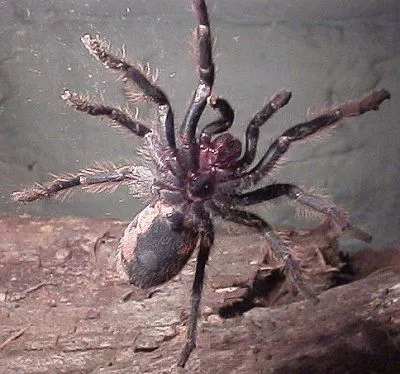
Understanding Tarantula Slings vs Juveniles
The world of tarantula keeping can be an incredibly rewarding experience. However, one of the first decisions a prospective tarantula owner must make is whether to acquire a tarantula sling or a juvenile. These two life stages present different challenges and advantages, making it crucial to understand their unique characteristics before bringing a tarantula home. This guide aims to provide a comprehensive comparison, helping you determine which option best suits your experience level, lifestyle, and expectations. Understanding the differences is key to providing the best possible care for your new eight-legged friend and ensuring a long, healthy life.
What is a Tarantula Sling?
A tarantula sling is essentially a baby tarantula. These tiny arachnids are typically in the first few molts of their lives. They are incredibly small, often measuring only a quarter of an inch to an inch in leg span, depending on the species. Due to their size, slings are fragile and require specialized care to survive and thrive. Their development is a fascinating process, and witnessing their growth is a unique aspect of tarantula keeping. This early stage of life sets the foundation for their future development and overall health. Owning a sling offers a unique perspective on the tarantula lifecycle, but also comes with greater responsibility.
Size and Appearance of Tarantula Slings

Tarantula slings are incredibly small, often appearing as tiny versions of their adult counterparts. Their size varies greatly depending on the species; some may be almost invisible at first. Their coloration is often muted compared to adults, sometimes lacking the vibrant hues that will develop later in life. Observing their growth as they molt is a key part of the experience. These initial molts are crucial for their survival and development. The fragile nature of slings requires extremely careful handling and observation, so you can monitor their health and well-being, which is critical to their survival.
Feeding and Care for Tarantula Slings
Caring for a tarantula sling requires precision and patience. Due to their size, slings typically need to be fed very small prey items, such as flightless fruit flies, pinhead crickets, or pre-killed, appropriately sized insects. Their enclosure must be small, with ample ventilation and a secure lid to prevent escapes. The substrate should be slightly moist but not waterlogged, and the temperature and humidity levels should be carefully monitored to mimic their natural habitat. Regular misting and careful observation are critical to ensure proper molting. Overfeeding and improper humidity are common mistakes that can prove fatal at this early life stage. See image tarantula-sling-feeding.webp for a perfect meal.
Pros and Cons of Owning a Tarantula Sling
Owning a tarantula sling can be a rewarding experience, allowing keepers to witness the entire life cycle of their pet. One major benefit is that slings are often more affordable than juvenile or adult tarantulas. The experience is unique because of the constant growth and changes throughout their lifecycle. However, slings are more delicate and require a greater level of care and attention. The risk of accidental death is higher due to their fragility. Their slow growth rate can be a challenge for those seeking faster results. Maintaining the proper environment and ensuring a constant food supply can also be a challenge for some keepers. Patience and diligence are paramount when owning a tarantula sling.
What is a Juvenile Tarantula?

Juvenile tarantulas are in a stage of development between slings and adults. They are larger and more robust than slings, making them somewhat easier to care for. Juveniles have molted several times and are developing the characteristic traits of their species. This stage is a good middle ground for tarantula keepers, offering a balance of manageability and observation. Juvenile tarantulas offer a better view into the behavior and characteristics of the adult form. Their size allows for a greater margin for error. While still requiring careful attention, juveniles can be more forgiving than slings. Their feeding habits and habitat requirements have typically become more established.
Size and Appearance of Juvenile Tarantulas
Juvenile tarantulas are noticeably larger than slings, with leg spans ranging from one to several inches, depending on the species and age. Their coloration begins to resemble that of adults, often with the distinctive patterns and hues. You will begin to see the unique markings. They will be more active at this stage. Molting becomes less frequent but is still a significant event. Their increased size means they require larger enclosures and can be fed larger prey. This is a crucial stage for tarantulas, as their adult characteristics begin to emerge. See image juvenile-tarantula.webp to compare.
Feeding and Care for Juvenile Tarantulas
Caring for juvenile tarantulas is generally less demanding than caring for slings, but still requires attention to detail. They can be fed larger prey items, such as small crickets, roaches, or mealworms. Enclosure size needs to be increased to accommodate their growth. The environment must be maintained carefully, with proper substrate, ventilation, and humidity levels appropriate for the specific species. Regular water dish refills and the removal of uneaten food are important. While juveniles are more resilient than slings, improper care can still lead to health issues. Consistent observation and proactive adjustments are essential. See image juvenile-tarantula-feeding.webp on proper feeding.
Pros and Cons of Owning a Juvenile Tarantula

Juvenile tarantulas offer a great balance between care requirements and observation of adult characteristics. They are more resilient than slings, reducing the risk of accidental death. They are already established and displaying their species-specific behaviors. They may not be as expensive as adult tarantulas but are more expensive than slings. They still require specific care and are sensitive to environmental changes. They may be more prone to defensive behavior. Finding the perfect enclosure and maintaining it is another consideration for juvenile keepers. See image tarantula-enclosure-juvenile.webp for examples.
Tarantula Sling vs Juvenile Choosing the Right One
Choosing between a tarantula sling and a juvenile depends on several factors, including your experience, available resources, and desired level of involvement. Both options provide unique benefits, but it’s essential to assess which best aligns with your individual capabilities and expectations. It is a personal decision that should be carefully considered. The decision should be made on an informed basis. Ensure you have enough time and resources to care for the new pet. See image tarantula-handling.webp for advice on handling.
Considerations for Beginner Tarantula Keepers
For beginners, a juvenile tarantula is often the better choice. Juveniles are more resilient, making them less prone to the issues. They also provide a good opportunity to learn about tarantula care without the increased risk associated with slings. They allow you to experience the behavior of an almost fully mature animal. The larger size of a juvenile makes it easier to handle and observe. They still require careful attention but can tolerate minor mistakes more readily than slings. Starting with a juvenile allows for a smoother transition into tarantula keeping.
Space and Housing Requirements

The space and housing requirements vary. Tarantula slings require very small enclosures, such as deli cups or small plastic containers. This makes it easier to maintain the necessary humidity and temperature gradients. Juveniles, on the other hand, need larger enclosures, such as terrariums or specialized tarantula enclosures, to accommodate their growth. Ensure the enclosure is properly ventilated and includes a substrate appropriate for burrowing or webbing. The size of the enclosure should match the size of your tarantula to create a comfortable and safe environment. See image tarantula-enclosure-sling.webp and tarantula-enclosure-juvenile.webp to compare examples.
Cost and Availability
Tarantula slings are generally less expensive than juveniles due to their smaller size and lower care requirements. They are also usually more readily available, as breeders often have large numbers of slings. The cost of a juvenile is typically higher, reflecting their older age and greater demand. Finding a specific species as a juvenile can sometimes be more challenging. Before buying a tarantula, research the species, and ensure the breeder is reputable and that the tarantula is healthy. The overall cost involves not just the tarantula itself but also the enclosure, substrate, and food.
Temperament and Handling
Tarantulas, regardless of their age, are best observed and not handled excessively. Slings are extremely fragile and should never be handled unless absolutely necessary. Juveniles are more robust, but handling can still be stressful. The temperament varies greatly among species and individuals. Some tarantulas are docile and tolerate handling better, while others are defensive. Always handle a tarantula with caution, and avoid handling if you are unsure of their behavior. Observe the tarantula’s behavior and body language to gauge their comfort level. Consider the species and the individual before attempting any handling. Ensure that you are prepared for potential defensive behaviors.
Final Thoughts Tarantula Sling vs Juvenile

Choosing between a tarantula sling and a juvenile comes down to personal preference and your ability to meet their specific needs. Slings provide a unique experience but demand more expertise and care. Juveniles offer a good balance for beginners, with the opportunity to observe their growth and behavior. Consider your experience level, available resources, and the species’ characteristics before making your decision. Both can be incredibly rewarding pets, offering a fascinating glimpse into the world of these incredible arachnids. Proper research and careful planning are essential for success. Enjoy your new tarantula, regardless of its age.