Understanding Tarantula Slings Diet
Caring for tarantula slings is a rewarding experience, but it requires a good understanding of their specific needs, especially their diet. Unlike adult tarantulas, slings are in a crucial growth phase, making their diet paramount to their health and development. This is a period of rapid growth, and the right nutrition is critical for successful molting, strong exoskeleton development, and overall longevity. Their small size means that even slight dietary deficiencies can have significant consequences, potentially leading to stunted growth, health issues, or even premature death. Therefore, a well-planned diet is not just about providing food; it’s about ensuring they receive the necessary nutrients to thrive during this vulnerable stage of their lives.
What do Tarantula Slings Eat Naturally?
In their natural habitats, tarantula slings are opportunistic predators. Their diet primarily consists of small insects that they can overpower and consume. This can include a wide range of invertebrates such as small crickets, pinhead crickets, fruit flies, and even tiny spiders or other small insects they encounter in their environment. The key is that the prey must be small enough for them to manage and consume safely. The natural diet varies depending on the specific environment and the available prey, but the commonality is always small, easily captured, and digestible insects. Understanding this natural diet is the foundation for providing appropriate nutrition in a captive environment.
Small Insects as a Staple

The cornerstone of a tarantula sling’s diet should be small insects. Crickets are a popular choice, but fruit flies (especially wingless varieties), small mealworms, and pinhead crickets are also excellent options. The key is to offer a variety of prey to ensure a balanced intake of nutrients. It is crucial to select insects appropriate for the size of your tarantula sling. Offering prey that is too large can stress the sling, making it difficult to capture and consume, which can potentially cause injury or even death. Aim for prey that is no larger than the tarantula’s body length, ideally smaller. Regular feeding, appropriate prey size, and a diverse selection of insect types are critical for promoting healthy growth in tarantula slings. (Image: small-crickets.webp)
How to Choose the Right Insect Size
Choosing the right insect size is crucial for the health of your tarantula sling. The general rule is that the prey should be no larger than the tarantula’s body, excluding the legs. Slings are relatively fragile, and an insect that is too large can overwhelm them, leading to stress or injury during capture and consumption. Newly hatched slings are best started on flightless fruit flies or very small pinhead crickets. As the sling grows and molts, you can gradually increase the size of the prey, moving to small crickets, mealworms, or other appropriately sized insects. Regularly observe the sling’s ability to handle the prey; if it appears to struggle or if the insect is not consumed, the prey is too large.
Importance of Gut-Loading and Dusting
Gut-loading and dusting are essential practices to optimize the nutritional value of the insects fed to your tarantula sling. Gut-loading involves feeding the insects a nutritious diet before they are offered to the tarantula. This ensures that the prey is packed with essential vitamins and minerals that the sling needs. Dusting, on the other hand, is coating the insects with a calcium and vitamin supplement before feeding. These practices significantly enhance the nutritional profile of the diet, providing vital nutrients that the sling may not obtain in sufficient quantities from the insects alone. Both of these practices are fundamental to a well-rounded diet, which contributes to the healthy development of your tarantula sling. (Image: gut-loaded-insects.webp)
Gut-Loading Your Insects

Gut-loading involves feeding the insects a diet rich in nutrients for at least 24 hours before they are fed to your tarantula. The insects will ingest the nutritious food, and the tarantula benefits from consuming these nutrient-packed insects. Commercially available gut-loading diets are specifically formulated for this purpose and often contain a blend of vegetables, fruits, and vitamins. Good options for gut-loading include carrots, sweet potatoes, leafy greens, and commercial insect food. Feeding the insects these nutrient-rich foods will result in the tarantula sling receiving a more balanced and complete diet. This enhances the nutritional value of the prey, providing the sling with essential vitamins and minerals.
Dusting with Calcium and Vitamins
Dusting the insects with a calcium and vitamin supplement before feeding is another crucial step. This ensures that your tarantula sling receives adequate amounts of essential nutrients, particularly calcium and vitamin D3, which are important for exoskeleton development and overall health. Many commercial supplements are available specifically designed for reptiles and invertebrates. These supplements are typically in powder form and easily stick to the insects when they are lightly coated just before feeding. A light dusting is all that’s needed, as too much supplement can be harmful. This practice ensures the tarantula gets an extra boost of important nutrients that may be lacking in the insects themselves. (Image: calcium-dusting.webp)
Feeding Frequency for Optimal Growth
The frequency of feeding depends on the size and growth rate of your tarantula sling. Generally, newly hatched slings should be fed two to three times per week. As they grow, you can adjust the feeding schedule according to their needs. Observe how quickly the sling consumes the prey and its overall body condition. If the sling is consistently eating its prey and appears to be growing well, you can maintain the current feeding schedule. Overfeeding can lead to obesity and other health problems, while underfeeding can stunt growth. It’s best to feed a small amount of prey at each feeding, allowing the sling to consume all of it. Always remove uneaten prey to prevent them from stressing the tarantula and to avoid potential injury.
The 5 Secrets of Tarantula Sling Diet
Secret 1 Maintaining a Balanced Diet
A balanced diet for tarantula slings involves feeding a variety of insects. Avoid relying on a single food source, as it may not provide all the necessary nutrients. Rotate between crickets, fruit flies, mealworms, and other small insects to ensure a good mix of vitamins, minerals, and proteins. Regularly gut-load the insects with nutritious foods, and dust them with a calcium and vitamin supplement to boost the nutritional value. This ensures your sling gets a variety of essential nutrients necessary for healthy growth and development. A diverse diet will not only improve the sling’s physical health but can also stimulate their appetite and overall activity levels.
Secret 2 Providing Fresh Food and Water
Fresh food and water are critical for the well-being of tarantula slings. Always provide clean, fresh water in a shallow dish or, for very small slings, use a cotton ball or sponge. This prevents dehydration, which can be fatal. Regularly check the water source and change it frequently to prevent the buildup of bacteria or mold. Similarly, ensure that the insects you offer are fresh and healthy. Stale or dead insects should be discarded as they are unappealing and may pose health risks. Providing fresh food and water demonstrates a commitment to the tarantula sling’s welfare and fosters a healthy environment. (Image: tarantula-sling-water.webp)
Secret 3 The Importance of Variety

Offering a variety of insects is beneficial for several reasons. Different insects have varying nutritional profiles, so providing a diverse diet ensures your tarantula sling receives a wider range of essential nutrients. Variety can also prevent your tarantula from becoming bored with its food, which can lead to a decline in appetite. Mixing up the prey can also mimic their natural diet in the wild, where they would encounter different types of insects. Regularly introducing different insect species offers the tarantula sling a more interesting and stimulating environment, promoting its overall health. Additionally, variety reduces the risk of nutrient deficiencies, which can occur if a tarantula is fed only one type of insect.
Secret 4 Observing and Adjusting Feeding
Carefully observe your tarantula sling’s feeding habits and adjust your feeding schedule accordingly. If the sling is consistently eating its prey and growing well, you can continue with your current feeding frequency. If the sling is not consuming all of the prey offered, or if it appears to be getting too fat, reduce the amount or frequency of feeding. Monitor the abdomen of the sling; a well-fed tarantula will have a slightly rounded abdomen, but it shouldn’t be excessively large. Also, observe the sling’s molting cycle and adjust the feeding schedule when the sling is preparing to molt. Careful observation allows you to tailor the diet to meet the specific needs of your tarantula sling, promoting its healthy development and longevity.
Secret 5 Understanding Refusal to Eat
It’s important to understand why a tarantula sling may refuse to eat. Several factors can influence appetite. Stress from environmental factors, such as temperature fluctuations, excessive handling, or a lack of suitable hiding places, can lead to a loss of appetite. The most common reason for a sling to stop eating is because it’s about to molt. Before molting, tarantulas often stop eating. Other reasons for refusal can include illness, injury, or inappropriate prey size. If your sling stops eating, observe its behavior carefully. Provide a suitable environment, including proper temperature, humidity, and a secure hiding spot. If the refusal persists, consult a veterinarian specializing in exotic animals to rule out any underlying health issues. (Image: tarantula-sling-molting.webp) (Image: tarantula-sling-unhappy.webp)
Potential Dietary Problems to Avoid

Overfeeding Concerns
Overfeeding tarantula slings can be detrimental to their health. Excess food can lead to obesity, which can put stress on their internal organs and reduce their lifespan. A tarantula sling with an overly large abdomen could have difficulty molting. Regularly monitor the sling’s abdomen and reduce the feeding frequency or portion sizes if it appears too full. Avoid offering food every day, especially as the sling grows older. Adjust the feeding schedule based on the sling’s individual needs and growth rate. A healthy sling should have a slightly rounded abdomen after feeding, but it should not appear stretched or overly plump.
Dehydration and Hydration Solutions
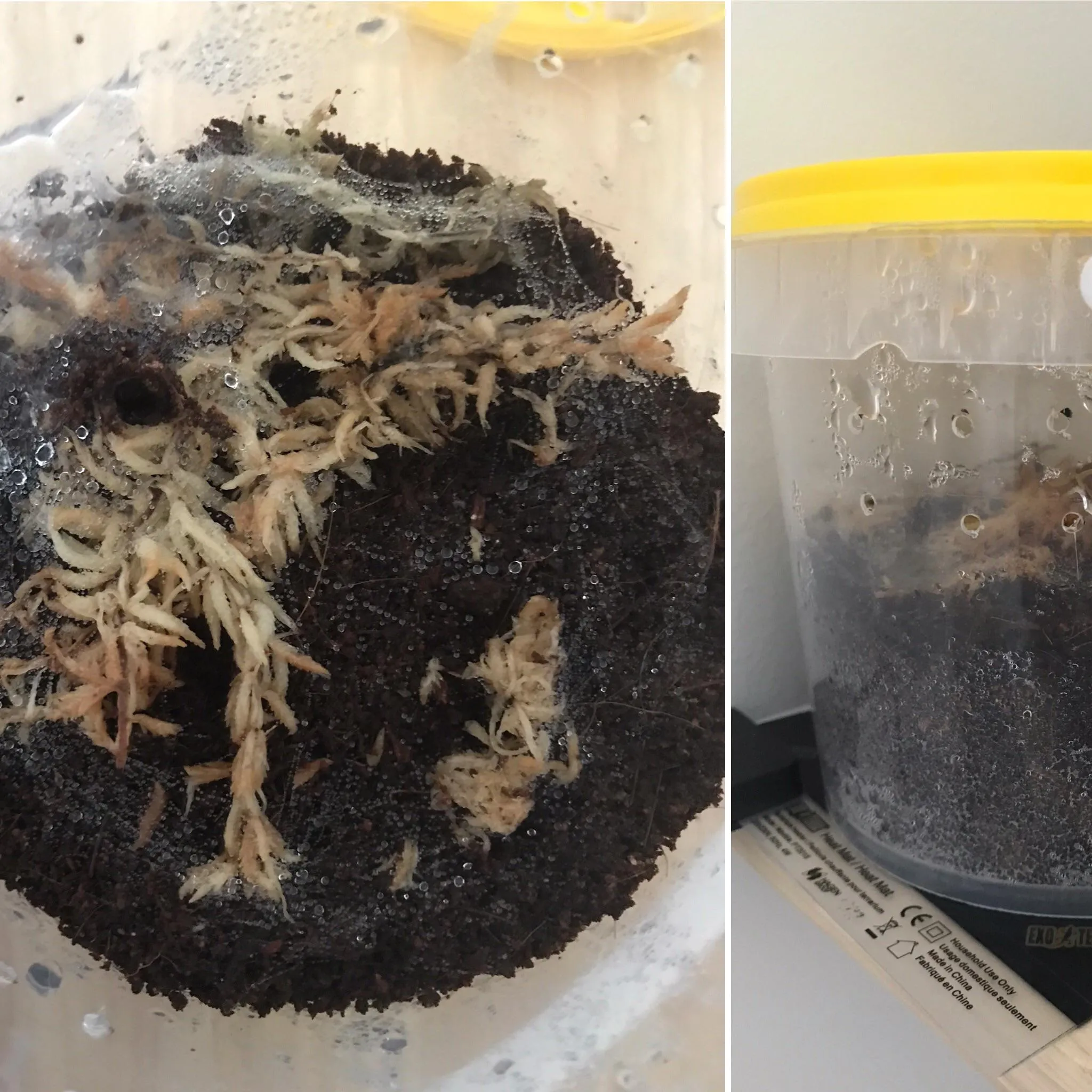
Dehydration is a serious concern for tarantula slings. They require a constant source of fresh water to stay hydrated. Always provide a shallow water dish with fresh, clean water, or use a cotton ball or sponge for very small slings. Regularly check the water source and replenish it daily to prevent contamination or mold growth. Dry environments can exacerbate dehydration; maintain appropriate humidity levels in the enclosure. If your sling shows signs of dehydration, such as a wrinkled appearance or sluggish behavior, increase humidity by misting the enclosure or providing a more humid hide. Dehydration can be fatal, so ensuring proper hydration is crucial for the health and well-being of your tarantula sling.