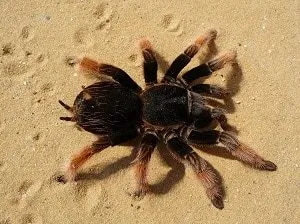
What are Tarantula Slings?
Tarantula slings are essentially baby tarantulas, representing the early stages of their life cycle. They are typically much smaller than adult tarantulas, often measuring less than an inch in leg span. These miniature versions of the arachnids are fascinating to observe, offering a unique perspective on the growth and development of these creatures. They are also a popular choice for tarantula enthusiasts due to their affordability and the experience of raising them from a very young age. Owning a tarantula sling can be a rewarding experience, but it is crucial to understand their specific needs and costs associated with their care to ensure their well-being and your satisfaction.
What factors affect the cost of tarantula slings?
Several factors influence the price of tarantula slings, making it essential to understand these variables before purchasing one. These factors can significantly impact the overall cost, from the initial price of the sling to the ongoing expenses related to its care. Considering these elements will enable you to make an informed decision that aligns with your budget and your ability to provide proper care for the tarantula. Understanding these factors will help you budget accordingly and ensure you’re prepared for the responsibilities of owning a tarantula sling. Let’s break down each of these factors to give you a comprehensive view.
Species

The species of tarantula is a primary determinant of its cost. Some species are more common and easier to breed, resulting in lower prices. Others are rarer, harder to breed, or have specific care requirements, which drives up their value. For example, common species like the Chilean Rose Hair tarantula are generally less expensive than more exotic species such as the Cobalt Blue or the Pinktoe tarantulas. The demand for a particular species also influences the price; popular, visually striking, or docile species often command higher prices due to their desirability among hobbyists. Researching different species and their price ranges is crucial to understanding what you can afford and what care requirements you can meet.
Size and Age
The size and age of a tarantula sling often correlate with its price. Generally, younger slings are less expensive than older ones. This is because younger slings are more fragile and require more specialized care. As a sling grows, it becomes more resilient, and the price increases accordingly. The size of the sling also affects its price. Larger slings, closer to reaching adulthood, tend to cost more. Keep in mind that older slings may also have a shorter lifespan compared to a younger one. Consider the trade-off between initial cost and the responsibility of caring for a more delicate, younger sling, versus the higher cost of a more mature one.
Morph and Coloration
Tarantulas with unique colorations or morphs (variations in appearance) are often more expensive. These variations result from selective breeding and are highly sought after by collectors. The rarity of a particular morph directly impacts its price. For example, a tarantula with a rare pattern or a striking color variation will typically cost more than a standard-colored one. The more unique the coloration, the higher the price tends to be. If you are looking for a specific look or a rare variety, be prepared to pay a premium. The aesthetic appeal of these morphs can greatly influence their market value.
Availability and Rarity

The availability and rarity of a particular tarantula species significantly affect its price. Rare or endangered species are naturally more expensive due to their limited availability. The supply of a specific species also plays a vital role. If a species is difficult to breed or has low reproductive rates, its slings will be less common and, therefore, more costly. Conversely, common and easily bred species are usually more affordable because there is a greater supply available in the market. Before purchasing, consider the long-term availability of the species, as this can affect your ability to source food, supplies, and potential mates in the future.
Breeder Reputation and Quality
The breeder’s reputation and the quality of their tarantulas also influence the price. Reputable breeders who prioritize the health and genetics of their tarantulas often charge more. They usually provide well-cared-for slings, with a documented lineage and guarantee of health. Breeders with a strong reputation for producing healthy, well-adjusted tarantulas can command higher prices because of the quality of their stock. Researching breeders, reading reviews, and checking their health guarantee policies are important steps. Buying from a reputable breeder can save you money in the long run by avoiding potential health issues or genetic problems, thus reducing veterinary bills.
Where to Buy Tarantula Slings?
Where you purchase your tarantula sling can affect the price and the overall experience. There are two primary sources to consider when getting your first tarantula, each with its own advantages and disadvantages. Choosing the right source depends on your preferences, budget, and the level of support you need. Knowing where to get your first sling will help you make the right decision when you finally start your tarantula journey. Let’s take a look at the common places to buy a sling.
Online Retailers vs. Local Breeders

Online retailers offer a wide variety of tarantula species and can be convenient, but prices may vary. You might find competitive prices and a large selection, but it is critical to check the retailer’s reputation and shipping policies. Ensure they have experience shipping live animals, and check reviews for past customer experiences. Local breeders, on the other hand, may offer a more personal experience, with the opportunity to see the tarantula in person. They can provide valuable advice and ongoing support, and you can often negotiate the price. The downside is that they may have a limited selection of species and the prices might be higher compared to online retailers. Consider the convenience, selection, and customer support when making your choice.
Cost of Setup and Maintenance
Besides the initial cost of the tarantula sling, you must factor in the ongoing costs of setting up and maintaining its habitat. These costs are crucial for ensuring your tarantula’s health and well-being. They include everything from the enclosure itself to the food and environmental controls. Properly budgeting for these costs will help you prepare for the responsibilities of tarantula ownership and ensure you can provide the necessary care. The expenses will vary based on the species, size, and your preferences, but it is critical to have a good understanding of the overall investment to keep your pet healthy.
Enclosure
The enclosure is the tarantula’s home and the first essential purchase. The size of the enclosure depends on the sling’s size and the species’ adult size. Larger enclosures are necessary as the tarantula grows. The type of enclosure also affects the cost. Glass tanks, plastic containers, or custom-built terrariums are all viable options. Glass terrariums can be more expensive initially but may last longer. Ensure the enclosure has proper ventilation and a secure lid to prevent escapes. Also, consider the substrate and the accessories to create a suitable environment. Expect to spend anywhere from $15 to $100 or more for the enclosure, depending on the size and materials used.
Substrate

The substrate, which is the material at the bottom of the enclosure, plays a vital role in maintaining humidity and providing a comfortable environment for your tarantula. Common substrates include coco fiber, peat moss, vermiculite, and a mix of these. The cost of the substrate varies depending on the material and the quantity needed. For a small sling, a bag of substrate will usually last a long time. It is important to replace the substrate periodically to maintain hygiene. Consider the substrate’s absorbency, ability to retain humidity, and whether it is safe for the species. Expect to spend $10 to $30 for the initial substrate and the cost of occasional replacements.
Feeding
Tarantula slings require a diet of small insects, such as pinhead crickets, fruit flies, or pre-killed mealworms. The cost of food depends on the size of the sling and the feeding frequency. Crickets and other feeder insects can be purchased online or at local pet stores. Buying in bulk can sometimes reduce the per-unit cost. Make sure you are feeding your sling with a diet that is healthy and nutritious to aid its growth. Consider the ease of sourcing and storing the food. Expect to spend approximately $10 to $20 per month on feeder insects, depending on the size of your tarantula and its appetite.
Heating and Humidity
Maintaining proper temperature and humidity is crucial for your tarantula’s health and well-being. You may need to invest in equipment such as a heating pad or a heat lamp to maintain the temperature. The cost of these items varies depending on the size and type. A hygrometer is also recommended to monitor humidity levels. For some species, you might need to mist the enclosure regularly. The cost of electricity to run these items should also be factored in. The initial cost of these supplies could be from $20 to $50, and ongoing electricity costs will be minimal but should be considered.
Long-Term Cost Considerations

Beyond the initial setup and care costs, there are long-term factors to consider when owning a tarantula sling. Understanding these ongoing expenses is essential for sustainable pet ownership. These long-term costs ensure that you can consistently provide a high quality of life for your tarantula as it grows. Planning for these future expenses helps you make an informed decision about whether you can afford to own a tarantula. These factors are necessary for your pet’s long-term health.
Health Issues and Veterinary Care
While tarantulas are generally hardy creatures, they can still get sick or injured. Although specialized veterinary care for tarantulas can be expensive, it is important to be prepared for potential health issues. Consider the cost of consulting a veterinarian specializing in exotic animals and medications. It’s a good idea to have a basic emergency fund set aside for unexpected vet bills. If you have a valuable or rare tarantula, it is especially important to budget for potential health issues. Proper husbandry and a clean environment can prevent many health problems. However, being prepared for unforeseen circumstances is essential for responsible pet ownership.
Cost-Saving Tips for Tarantula Slings
Owning a tarantula sling doesn’t have to break the bank. Several strategies can help you save money without compromising the quality of care for your pet. Consider the long-term implications of your purchases and look for opportunities to save. Careful planning and smart shopping can make tarantula ownership more affordable. These money-saving tips will help you to better budget for the future. Here are a few practical tips to help you reduce costs without sacrificing the well-being of your tarantula.
- Buy in bulk for supplies
- Research and compare prices
- Consider DIY enclosure options
- Breed feeder insects
- Join a tarantula community
Conclusion

The cost of tarantula slings varies widely depending on several factors, from the species and morph to the breeder’s reputation. Understanding these factors will help you make an informed decision that aligns with your budget and expectations. Owning a tarantula sling can be a rewarding experience, providing a fascinating glimpse into the world of these unique creatures. Before purchasing a tarantula sling, thoroughly research the specific species and its care requirements. Planning, budgeting, and a commitment to responsible pet ownership will ensure you and your tarantula enjoy a long and healthy life together. Ultimately, the price of a tarantula sling reflects not only its initial value but also the ongoing commitment required to provide proper care and maintain its well-being.