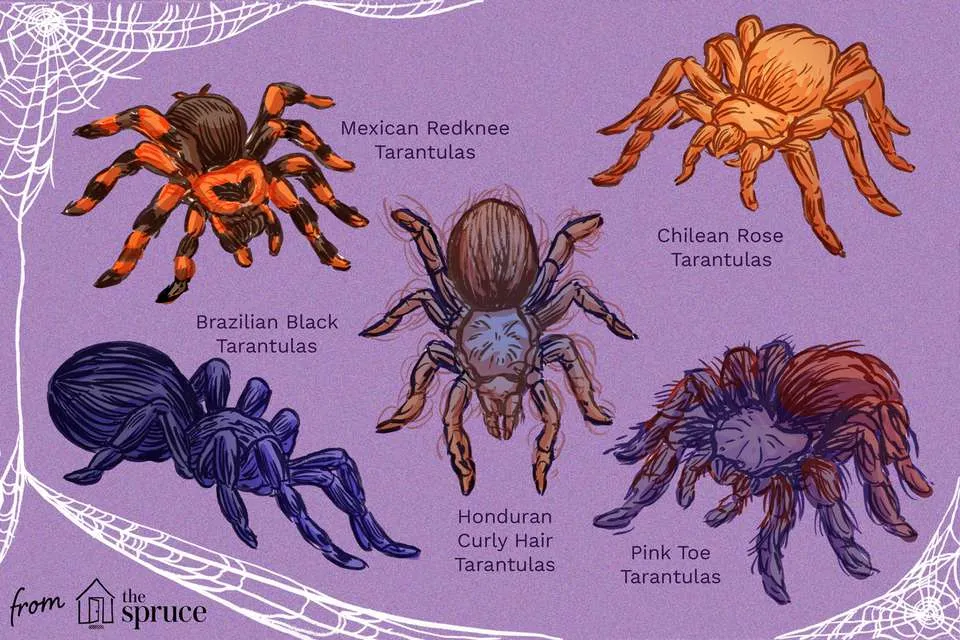
What is a Tarantula?
Tarantulas are large, hairy spiders belonging to the Theraphosidae family. These fascinating creatures are known for their impressive size, often with leg spans that can exceed 10 inches, and their diverse appearances. They are found in a variety of habitats around the world, from the deserts of the southwestern United States to the rainforests of South America. Despite their often intimidating appearance, tarantulas are generally not considered aggressive towards humans, and their venom, while potentially painful, is rarely life-threatening. Their complex behaviors, including hunting strategies and mating rituals, make them a captivating subject of study for both scientists and enthusiasts alike.
Physical Characteristics
Tarantulas possess distinct physical characteristics that set them apart. Their bodies are divided into two main parts the cephalothorax (fused head and thorax) and the abdomen. The cephalothorax bears the eyes, mouthparts (including fangs), and legs. They typically have eight eyes, though their vision is not their primary sense; they rely more on vibrations and the detection of movement. Their legs are covered in sensory hairs that aid in detecting prey and navigating their environment. The abdomen houses the spider’s internal organs and is often covered in urticating hairs, which they can flick at predators as a defense mechanism. The size, color, and hair patterns vary greatly among different species, providing an astonishing display of diversity across the family.
Habitat and Distribution

Tarantulas are found across a wide range of habitats, primarily in tropical and subtropical regions around the globe. They thrive in various environments, from arid deserts and grasslands to lush rainforests. Their distribution is influenced by factors such as climate, availability of prey, and suitable shelter. Some species are terrestrial, living in burrows they dig themselves or occupy abandoned rodent dens. Others are arboreal, residing in trees and utilizing silk to create nests and retreats. The Americas, Africa, Asia, and Australia are all home to diverse tarantula populations. The specific habitat preferences vary significantly, with some species adapted to specific microclimates and ecological niches within these broader regions.
How Many Tarantula Species Exist?
The exact number of tarantula species is a subject of ongoing research and debate among arachnologists. The Theraphosidae family is vast, with new species regularly being discovered and classified. The process of identifying and classifying a new species involves detailed morphological studies, genetic analysis, and careful examination of specimens. This work is often complex and requires specialized expertise. The number of tarantula species is subject to change as taxonomists continuously reassess and update the classification of these fascinating arachnids. The exact figure is therefore constantly evolving as new species are identified and existing classifications are refined based on the latest scientific findings.
Estimates and Ongoing Research
Current estimates suggest that there are over 1,000 recognized tarantula species. However, this number is always fluctuating. Ongoing research continues to refine our understanding of tarantula diversity. Scientists utilize a range of techniques, including DNA barcoding and detailed morphological analysis, to distinguish between species and understand their evolutionary relationships. New species are being discovered at a steady pace, particularly in regions with high biodiversity, such as the Amazon rainforest and Southeast Asia. The study of tarantula taxonomy is a dynamic field, with the potential for significant revisions to the classification system as more data become available.
Factors Influencing Species Count

Several factors contribute to the challenges in accurately determining the total number of tarantula species. One significant factor is the cryptic nature of many species, with similar appearances that can make them difficult to distinguish based on physical characteristics alone. Additionally, the remote and often inaccessible habitats where tarantulas live make it challenging to survey and collect specimens. Further complicating matters, the use of different taxonomic approaches by various researchers can lead to differing classifications. Finally, the constant discovery of new species and the reassessment of existing ones means that the count is always subject to change as new data emerge and our understanding evolves.
Top 5 Astonishing Facts About Tarantula Species
Fact 1 Diversity of Colors and Sizes
Tarantulas exhibit an astonishing array of colors and sizes, ranging from the vibrant blues and oranges of the Brazilian blue tarantula to the more subdued browns and blacks of the Goliath birdeater. The Goliath birdeater (Theraphosa blondi) is one of the largest tarantulas in the world, with a leg span that can reach over 10 inches. In contrast, some dwarf tarantula species are only a few inches across. The coloration serves a variety of purposes, including camouflage, attracting mates, and warning predators. This incredible variation underscores the diversity of these fascinating arachnids.
Fact 2: Venom Potency and Danger

While all tarantulas possess venom, the danger to humans is generally low. Tarantula venom is typically not considered highly toxic, and the effects of a bite are usually comparable to a bee sting. However, the bite can still be painful and cause localized swelling, redness, and muscle cramps. The severity of the reaction depends on factors like the amount of venom injected and the individual’s sensitivity. There are some species whose venom is considered more potent than others, but serious health complications are rare. It’s important to note that the physical trauma from the fangs can sometimes cause more discomfort than the venom itself.
Fact 3: Lifespan of Tarantulas
Tarantulas have exceptionally long lifespans compared to many other arthropods. Female tarantulas can live for over 20 years, while males typically have a shorter lifespan, often only a few years, especially after reaching maturity and mating. This longevity is one of the reasons why they are popular pets, as they can be companions for a significant period. Several factors, including genetics, diet, and environment, can influence a tarantula’s lifespan. Proper care in captivity, such as providing a suitable habitat, appropriate temperatures, and a nutritious diet, can help maximize a tarantula’s longevity.
Fact 4: Unique Molting Process
Tarantulas molt, or shed their exoskeleton, to grow and replace damaged body parts. This process is a remarkable event that occurs periodically throughout their lives. Before molting, the tarantula usually stops eating and becomes inactive. During molting, the spider flexes its body, causing the old exoskeleton to split open. The tarantula then slowly emerges from the old shell, revealing a new, larger body. The molting process is crucial for growth and allows the spider to replace lost limbs or other body parts. The newly molted tarantula is soft and vulnerable until its new exoskeleton hardens. The frequency of molting decreases as they age, with adults typically molting once a year or less.
Fact 5: Tarantulas as Pets

Tarantulas are popular pets for many reasons. They are relatively low-maintenance compared to other pets, requiring only regular feeding and a clean enclosure. Their fascinating behaviors, striking appearances, and long lifespans make them captivating to observe. Many tarantula species are available for sale, and proper care guides are readily accessible. However, it is important to research and understand the specific needs of the species before acquiring a tarantula, including their habitat requirements, dietary needs, and handling considerations. Potential owners should also be aware of the potential risks, such as bites and urticating hairs, and take necessary precautions.
Conservation Status of Tarantula Species
The conservation status of tarantulas varies depending on the species and their habitat. Some species are considered common and widespread, while others face threats like habitat loss, deforestation, and over-collection for the pet trade. Many tarantula species are not yet assessed for conservation status due to a lack of data or insufficient research. Conservation efforts are essential to protect vulnerable species. These efforts include habitat preservation, sustainable practices in the pet trade, and public education to increase awareness of these fascinating creatures and their importance in ecosystems.
Threats to Tarantula Populations
Tarantula populations face several threats. Habitat destruction is a major concern, as deforestation and urbanization destroy their natural environments. Over-collection for the pet trade can deplete populations, particularly for rare or attractive species. Climate change also poses a risk, as changing temperatures and weather patterns can disrupt their habitats and affect their prey base. Pesticide use and other forms of pollution can also harm tarantulas and their ecosystems. Addressing these threats requires a multi-faceted approach that includes habitat protection, sustainable practices, and public awareness.
Conservation Efforts and Initiatives

Various conservation efforts and initiatives are underway to protect tarantula species. Habitat preservation and restoration are critical, including establishing protected areas and promoting sustainable land use practices. Regulating the pet trade and ensuring sustainable collection practices can help prevent over-exploitation. Supporting scientific research to better understand tarantula populations, their habitats, and the threats they face is essential. Public education and awareness campaigns can play a vital role in fostering appreciation for tarantulas and encouraging responsible behavior. By working together, we can help ensure the survival of these amazing arachnids for future generations.