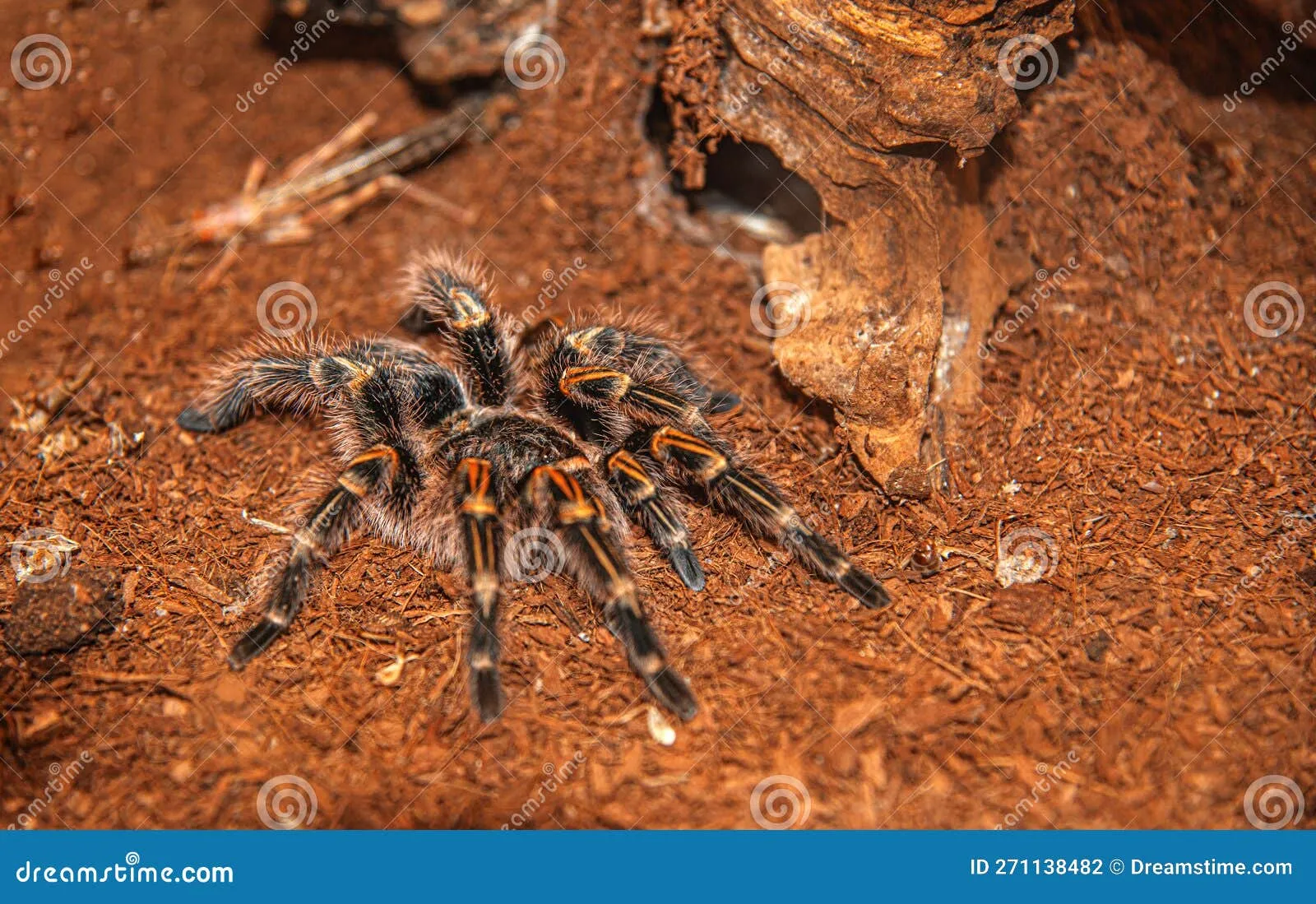
The Reality of Tarantula Spider Bites
Tarantulas, with their imposing size and hairy appearance, often evoke fear and fascination. One of the most common concerns surrounding these arachnids is the potential danger of their bites. While tarantulas possess fangs and venom, understanding the true nature of their bites is crucial. This article dives into the top 5 facts about tarantula spider bites, separating myth from reality, and providing insights into safety and care. Many misconceptions exist about tarantulas, making it essential to approach this topic with accurate information. This knowledge is especially important for those considering tarantulas as pets or simply interested in learning more about these creatures. We’ll explore the venom, the symptoms, and what you should do if bitten. Let’s delve into the details to understand what a tarantula bite really means.
Myth Busting Spider Bite Facts
Often, the fear of a tarantula bite stems from the unknown and exaggerated portrayals in media. Popular culture frequently depicts tarantula bites as highly dangerous, leading to paralysis or even death. However, this is far from the truth. The reality is that tarantula bites are rarely life-threatening to humans. The venom of most tarantula species is not particularly potent to humans, and the primary effect is usually local pain and discomfort, similar to a bee sting. Myth-busting begins with recognizing that these spiders are not inherently aggressive and typically only bite when threatened or provoked. Understanding these basic facts dispels many fears and helps people appreciate the true nature of these spiders. The common misconceptions that need to be addressed are that tarantulas are always dangerous, their bites are automatically fatal, and that they actively seek out humans to bite. Understanding their defensive nature is key. Many of these fears arise from movies and TV shows, which frequently sensationalize such events.
Misconceptions about Tarantula Bites

Numerous misconceptions surround tarantula bites. One common myth is that all tarantulas have equally dangerous venom. In reality, venom potency varies significantly among different species. Some tarantula species have venom that is essentially harmless to humans, causing only mild symptoms. Another misconception is that tarantulas are constantly eager to bite. Tarantulas are generally docile and will only bite as a last resort when they feel threatened, such as when mishandled or cornered. Furthermore, the idea that a tarantula bite is always followed by severe symptoms is inaccurate. Most bites result in localized pain, redness, and swelling. Knowing the facts helps dispel these fears and promotes a more informed perspective on these arachnids, allowing enthusiasts and pet owners to better appreciate these amazing creatures. Many people also think tarantulas can jump, which is false. A realistic picture can only be achieved by dispelling these falsehoods. Accurate information is essential.
Are Tarantulas Venomous?
Yes, tarantulas are venomous, but it is important to clarify what that means in the context of their bites. Venom is a toxic substance that tarantulas inject through their fangs to subdue prey. This venom helps paralyze or kill insects and small animals that make up their diet. However, the venom’s effect on humans is often much milder than what might be imagined. The potency of the venom varies widely among different species, with some species having almost no effect on humans. Tarantula venom is not designed to harm humans significantly, and bites typically result in localized symptoms rather than systemic ones. In most cases, a tarantula bite feels akin to a bee sting, with minor discomfort and swelling around the bite site. This fact is vital for understanding the risks and treating tarantula bites appropriately. The actual impact depends on the species and the individual’s sensitivity. The presence of venom is a fact, but the impact is often overstated.
The Impact of a Tarantula Bite
The impact of a tarantula bite on a human is generally less severe than many people assume. When a tarantula bites, it injects venom that can cause local symptoms at the bite site. Typically, this results in immediate pain, which varies in intensity from mild to moderate, depending on the species and individual sensitivity. Along with pain, other common reactions include redness, swelling, and itching around the bite area. In rare cases, some individuals might experience more significant symptoms, such as muscle cramps, nausea, or a mild fever. However, severe reactions, such as anaphylaxis, are extremely rare. Most tarantula bites require no medical treatment beyond cleaning the wound and monitoring for any signs of infection. Understanding these potential impacts is crucial for anyone handling or encountering tarantulas. The primary effect is usually localized, with general discomfort at the location.
Tarantula Bite Symptoms & Severity

The symptoms and severity of a tarantula bite can vary based on several factors, including the spider species, the amount of venom injected, and the individual’s sensitivity. Common symptoms include immediate pain at the bite site, often described as a sharp or stinging sensation. Redness, swelling, and itching are also typical. More severe symptoms might include muscle cramps, nausea, dizziness, or a mild fever, though these are less frequent. In extremely rare cases, people with allergies might experience more severe reactions, but this is uncommon. Generally, the symptoms resolve within a few days to a week. If symptoms worsen or unusual reactions occur, medical attention should be sought. Monitoring for any signs of infection is critical, as any open wound carries the risk of infection. A typical bite is not severe, but care should still be taken. Keep a close eye on the affected area for any signs of complications.
Immediate Actions After a Tarantula Bite
If you are bitten by a tarantula, it is essential to take immediate and appropriate actions to ensure proper care and minimize discomfort. The first step is to stay calm and move away from the spider to prevent further bites. Clean the bite area thoroughly with soap and water to prevent infection. Apply a cold compress to reduce pain, swelling, and inflammation. Over-the-counter pain relievers, like ibuprofen or acetaminophen, can help manage any pain. It is important to monitor the bite site for any signs of infection, such as increased redness, warmth, or pus. While most bites do not require medical attention, seek professional medical advice if you experience severe symptoms, such as difficulty breathing, significant swelling, or any allergic reaction. It’s also important to identify the type of tarantula if possible, as it may assist medical professionals. Prompt action will help with a quick recovery.
Preventing Tarantula Bites
Preventing tarantula bites primarily involves exercising caution and understanding the behavior of these spiders. The most crucial aspect of prevention is responsible handling and interaction. Never handle a tarantula unless necessary and ensure you know how to do it safely. Avoid provoking the spider, as they are more likely to bite when threatened. If you keep tarantulas as pets, always use proper handling techniques, such as using a container or tongs to move them. Keep your hands away from the tarantula’s fangs. Regularly inspect their enclosures to ensure they are secure, and prevent the spider from escaping. Educate yourself on the species and their specific behaviors to anticipate their reactions. Teaching children not to handle tarantulas and educating visitors about the risks will significantly reduce the likelihood of bites. By being informed, you can maintain a safe environment around these animals. Safety must be the priority.
Handling and Interaction Safety

Safe handling and interaction with tarantulas are crucial for preventing bites and ensuring the well-being of both the spider and the handler. If you must handle a tarantula, always approach slowly and gently. Avoid sudden movements that might startle the spider. Use a container or tongs to move the tarantula from one place to another, rather than directly handling it with your hands. When handling, place the tarantula on a soft surface, like a table or inside its enclosure, where it feels secure. Ensure your hands are clean and free of any scents that might attract the spider’s attention. Never try to grab or force a tarantula to do anything. If the tarantula appears agitated or defensive, it is best to leave it alone. By following these safety precautions, you can interact with tarantulas responsibly and minimize the risk of being bitten. Always supervise children when they are near these creatures. Respect is key to a safe interaction.
The Best Way to Handle a Tarantula
The safest way to handle a tarantula is to avoid direct handling altogether. However, if you need to handle one, use a clear container or a cup to gently guide the spider into a secure space. This method allows you to control the spider’s movement without the risk of being bitten. Place the container over the tarantula and carefully coax it inside. Once the spider is in the container, you can then move it to its new location. Avoid touching the spider’s abdomen, as it is fragile and can be damaged. Never try to pick up the tarantula with your bare hands unless you have experience and are confident in your ability to read the spider’s behavior. Another important technique is the “brushing” method, where you gently use a soft brush to guide the tarantula. This ensures minimal stress and a reduced chance of a bite. Always handle them in a safe environment, like a table or their enclosure, where the spider feels secure and cannot escape. Always put the spider’s safety above everything else.
The Risks of Keeping Tarantulas as Pets
While keeping tarantulas as pets can be rewarding, there are inherent risks to consider. The primary risk is the potential for a bite, although, as discussed, most bites are not life-threatening. Other risks include allergic reactions to the spider’s hairs, known as urticating hairs, which can cause skin irritation or respiratory issues in some individuals. Moreover, tarantulas can be fragile and require specific care to survive. Improper handling, inadequate enclosure setups, and incorrect feeding can lead to health problems and even death for the tarantula. Responsible pet ownership includes extensive research into the specific needs of your chosen species. Another risk is the potential for escape. A loose tarantula poses a hazard, both to itself and to those who might encounter it. Always make sure that enclosures are secure and maintained correctly. Being aware of these risks and knowing how to mitigate them is crucial to the safety of both the owner and the pet. The best care is preventive, considering both the spider’s and the owner’s well-being.
How to Care for Your Tarantula

Caring for a tarantula involves providing the right environment and attention to ensure its health and well-being. Start by selecting an appropriate enclosure. The enclosure should be the right size for the species, with secure lids and adequate ventilation. Substrate, or bedding, is important for creating a suitable habitat. The substrate should be appropriate for the species, and it should retain some humidity. Temperature and humidity levels should be monitored to ensure the spider’s comfort and well-being. Provide fresh water in a shallow dish. Feeding your tarantula is a key element of its care. Offer insects like crickets, mealworms, or roaches appropriate for its size. Remove any uneaten food to prevent mold and maintain cleanliness. Regular cleaning is also essential; spot-clean the enclosure weekly and completely replace the substrate every few months. Learning how to care for a tarantula is a continuous learning process that will allow you to enjoy your pet and guarantee its good health. It is very important to create the right habitat.
In conclusion, while tarantula bites can be painful and cause some discomfort, they are rarely life-threatening. By understanding the reality of tarantula bites, practicing safe handling techniques, and providing appropriate care, you can minimize risks and enjoy the experience of keeping these fascinating creatures. The key is education, respect, and a commitment to responsible pet ownership. If you are considering a tarantula as a pet, do your research first.