How Many Legs Do Tarantulas Have?
Tarantulas, fascinating creatures that often spark both curiosity and apprehension, are known for their impressive size and hairy appearance. But beyond their striking exterior, there’s a fundamental question that often pops into minds of those encountering these spiders What is the number of legs? The answer, while seemingly simple, opens the door to understanding more about the biology and behavior of these intriguing arachnids. The number of legs is a key characteristic that defines the basic body plan of all spiders, including the diverse and often misunderstood tarantula. This feature is not just a matter of counting; it’s integral to how tarantulas move, hunt, and navigate their world. Understanding the role of these appendages gives you a deeper appreciation of what makes tarantulas such successful predators and survivors in various ecosystems across the globe. This article answers the question about tarantula legs and explores some of their basic functions.
The Anatomy of a Tarantula Spider
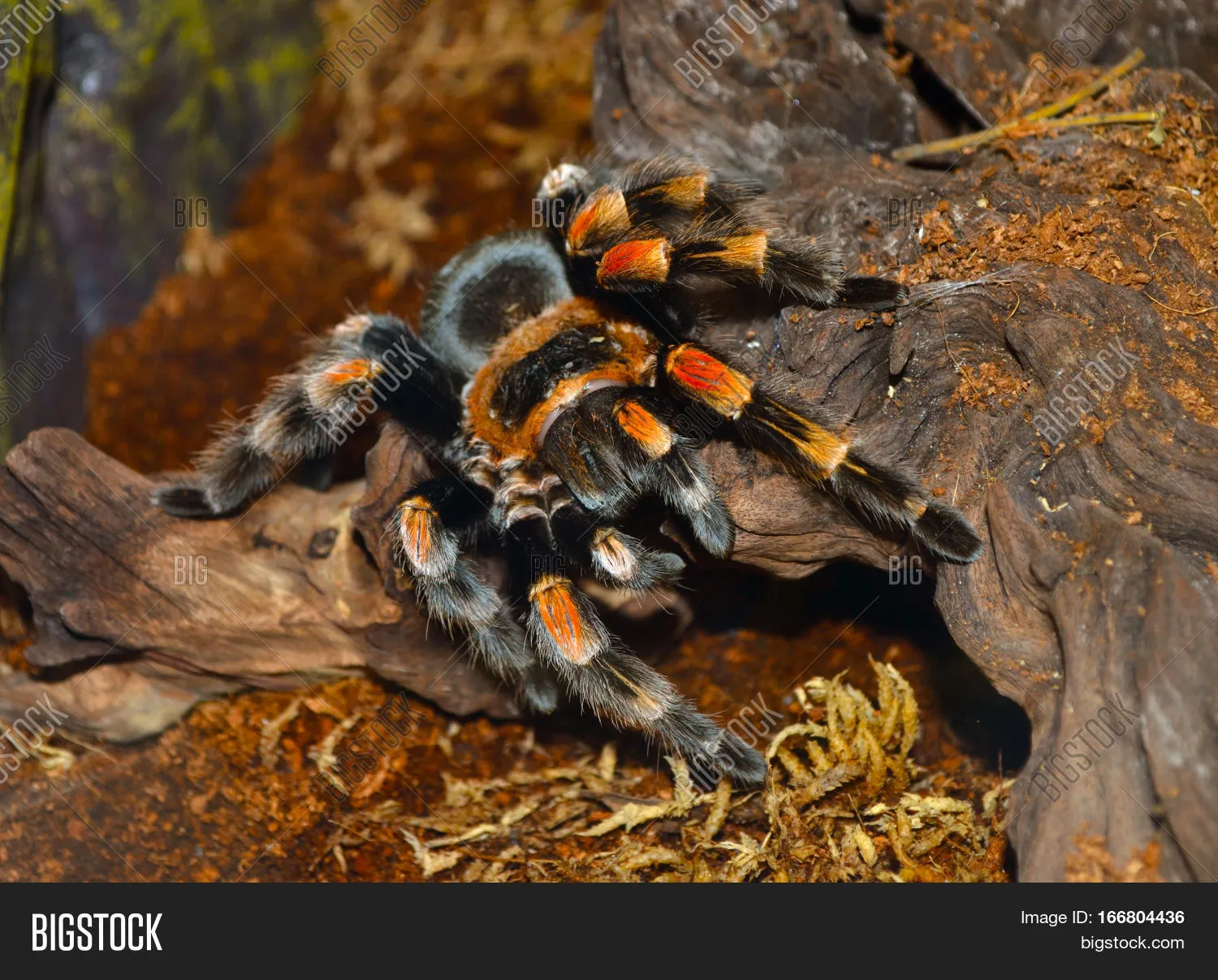
To understand the number of legs, it’s helpful to understand the general anatomy of a tarantula. Like all spiders, tarantulas belong to the class Arachnida, which is characterized by having eight legs. Their bodies are divided into two main parts the cephalothorax (also known as the prosoma), which is the fused head and chest, and the abdomen (opisthosoma). The eight legs are attached to the cephalothorax. In addition to their legs, tarantulas also have other appendages the chelicerae (mouthparts used for grasping and injecting venom) and pedipalps (used for sensing and handling prey). The structure of a tarantula’s leg is also quite complex, with multiple segments that allow for flexibility and movement. This basic understanding of tarantula anatomy helps in appreciating the role of the legs in their daily lives.
The Function of Tarantula Legs

Tarantula legs serve multiple crucial functions, making these spiders highly adapted to their environments. The primary function, of course, is locomotion. Their legs are designed to move across various terrains, from the forest floor to the walls of their burrows. Beyond movement, the legs are equipped with sensory organs that help the tarantula perceive its surroundings. They can detect vibrations, chemicals, and changes in air pressure, which are vital for hunting and avoiding predators. The legs also play a role in feeding. Some species use their legs to manipulate prey, while others use them to dig burrows or construct webs. These diverse functions highlight the importance of legs in the overall survival and behavior of tarantulas.
Legs for Walking and Climbing
Tarantulas are known for their ability to traverse diverse environments, and their legs are key to this adaptability. The structure of their legs, with multiple joints and strong muscles, allows them to walk, run, and climb with ease. The claws at the end of each leg provide grip, enabling them to cling to surfaces. In their natural habitats, tarantulas use their legs to navigate through complex terrains, search for food, and escape threats. This ability to move efficiently is crucial for their survival and their role as predators. Tarantulas vary in their agility, with some species being more adept at climbing and others preferring to stay on the ground. The differences in their leg structure also reflect these variations in lifestyle. The design of the leg with the claws help tarantulas to move with a purpose.
Legs for Sensory Perception
In addition to locomotion, tarantula legs are sensory powerhouses. They are covered in tiny hairs and sensory structures that can detect vibrations, air movements, and chemical signals. This sensory capacity is vital for hunting, allowing tarantulas to identify prey by detecting vibrations in the ground or air. They can also sense the approach of potential predators, providing them with time to escape. This acute sensory perception is crucial for their survival in the wild. The legs act as an extended sensory network, giving tarantulas detailed information about their environment. The sensory capabilities of their legs are a testament to the remarkable adaptations that have allowed tarantulas to thrive in diverse habitats. The sensory perception through their legs is part of the tarantulas survival.
Legs for Feeding

The legs of a tarantula also play a role in feeding, although not as directly as the chelicerae (mouthparts) or pedipalps. Some species use their legs to manipulate prey, holding it in place while they inject venom and begin feeding. Others may use their legs to tear apart larger prey items. The legs also help to position the tarantula for feeding, ensuring that it can effectively consume its meal. The role of legs in feeding may vary depending on the species and the type of prey. Overall, the legs assist tarantulas in acquiring and consuming food, contributing to their nutritional needs. The legs are not the primary tools for feeding, but help in the process to make it more effective.
Molting and Leg Regeneration
Tarantulas, like all arthropods, must shed their exoskeletons to grow, a process called molting. During molting, they can regenerate lost limbs, which is a remarkable adaptation. If a tarantula loses a leg, it will regrow during the next molt. The new leg may be smaller or less functional than the original, but it will continue to develop with each subsequent molt. This regenerative ability is crucial for tarantulas, as it allows them to recover from injuries and maintain their mobility. The molting process also involves the tarantula creating a new, larger exoskeleton to accommodate its growth. Molting can be a vulnerable time for tarantulas, as they are soft and defenseless until their new exoskeleton hardens. The molting process is one of the most fascinating aspects of tarantulas.
Other Interesting Facts About Tarantula Spiders
Tarantulas are among the largest spiders in the world. They are found in a variety of habitats around the globe, from deserts to rainforests. These spiders are generally nocturnal hunters, ambushing their prey. Tarantulas have venom, but most species are not considered dangerous to humans; their bite is often compared to a bee sting. They are known for their impressive size, hairy appearance, and long lifespans, with some females living for decades. Some species have urticating hairs, which they flick at potential threats for defense. Tarantulas are popular pets due to their relatively low maintenance requirements and interesting behaviors. These fascinating creatures continue to captivate and intrigue people worldwide.
- Tarantulas have eight legs.
- Legs are used for walking, climbing, and sensory perception.
- Legs can also be used for feeding and manipulating prey.
- Tarantulas can regenerate lost limbs during molting.
- Their sensory hairs on their legs provide them with important information about their environment.