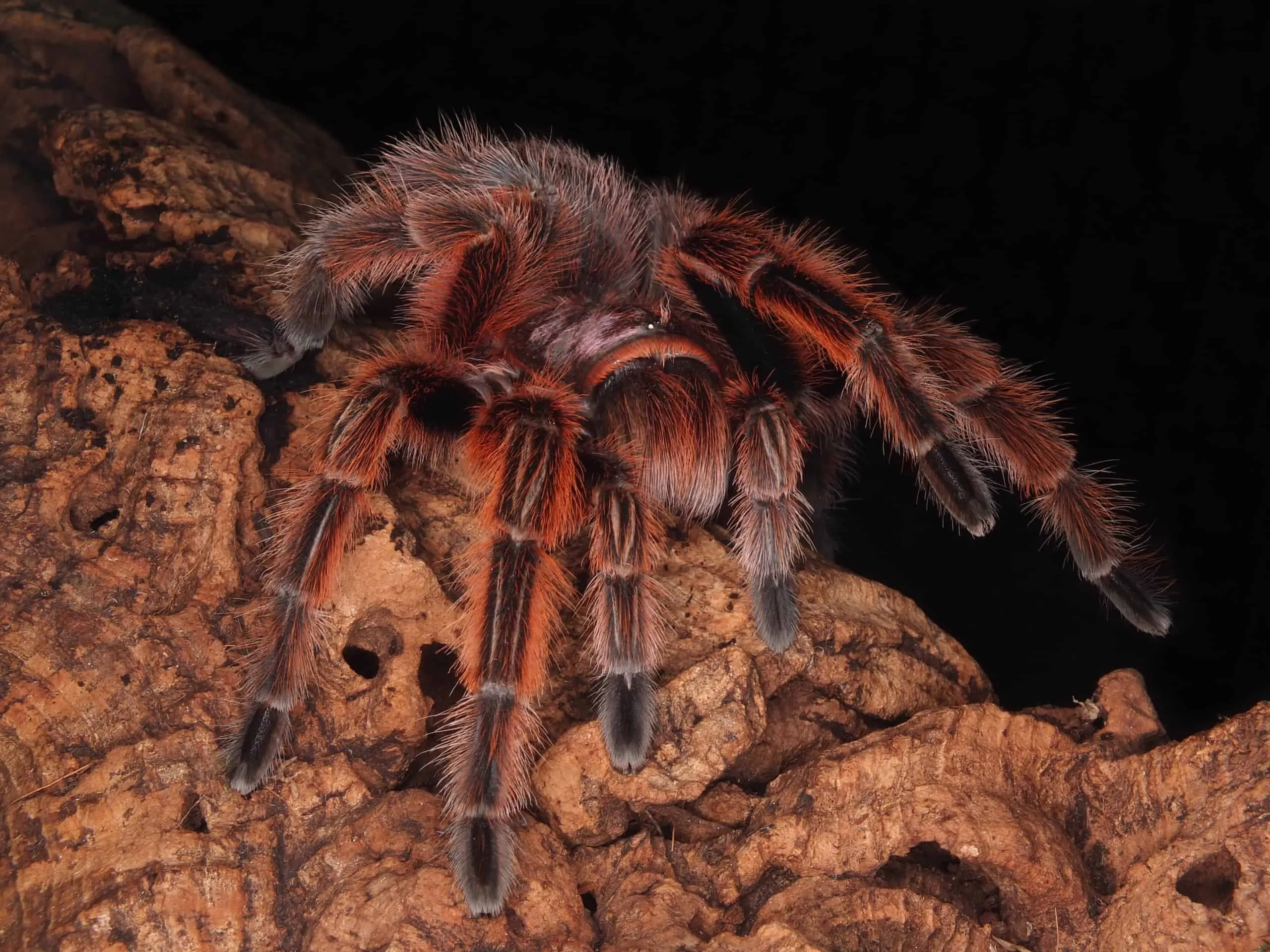
What is a Tarantula and Why They Rise?
Tarantulas, those large, hairy spiders that often capture our imaginations, are fascinating creatures. They belong to the Theraphosidae family, and are known for their impressive size, often spanning several inches in leg span. The term “rise” in the context of tarantulas doesn’t refer to a literal ascension, but rather an increase in their visibility, both in the natural world and in the interest of enthusiasts. This could be due to a variety of reasons including increased mating seasons which make them more active and thus, more visible. Also, there’s a growing fascination with these arachnids, fueled by documentaries, pet ownership, and a general appreciation for biodiversity. Their imposing size and intriguing behaviors have propelled them into the spotlight, making them a captivating subject of study and admiration. The ‘rise’ also symbolizes the growing awareness and understanding of tarantulas, moving beyond mere fear to a place of respect and appreciation for their unique role in ecosystems.
Types of Tarantulas
The world of tarantulas is incredibly diverse, boasting hundreds of different species, each with its unique characteristics, habitats, and behaviors. These spiders are found across the globe, with the highest concentration of species in tropical and subtropical regions. Their variations are not just in size, but also in coloration, ranging from vibrant blues and oranges to more subdued browns and blacks. Understanding these different types is crucial to appreciating the full extent of tarantula diversity. Exploring the various species and their adaptations to different environments unveils the incredible evolutionary success of these ancient arachnids. Let’s delve into some of the most recognized types, highlighting their key features and habitats to showcase this diversity and the unique ways tarantulas have adapted to thrive across the globe.
North American Tarantulas

North America is home to several tarantula species, most notably in the southwestern United States. These spiders are typically ground-dwelling, living in burrows in the arid deserts and grasslands. They range in size, with some species reaching impressive leg spans. Their coloration often blends with their surroundings, providing excellent camouflage against predators. These tarantulas are generally nocturnal hunters, preying on insects and other small animals. Their presence is a significant part of the ecosystem, as they play a role in pest control, keeping insect populations in check. The study of North American tarantulas also helps scientists understand the adaptation of species to climate change and human impact, therefore it helps us understand the conservation strategies as well.
South American Tarantulas
South America’s tropical rainforests and savannas host a plethora of tarantula species, many of which are known for their striking colors and larger sizes. Some species, like the Goliath Birdeater (Theraphosa blondi), are among the largest spiders in the world, capable of catching small birds and rodents. They are often arboreal, living in trees, or burrowing in the ground. Their diets vary, but they commonly feed on insects, lizards, and small mammals. Due to the tropical conditions and variety of environments, there are many different species in South America. They are a very interesting species to study as a result.
Asian Tarantulas
Asia is home to a diverse range of tarantulas, inhabiting various environments, from tropical forests to arid regions. These spiders often exhibit interesting behaviors, and some species are known for their potent venom. The size varies widely depending on the species. Many Asian tarantulas are arboreal, living in trees and constructing intricate webs. Their diet consists of insects, small vertebrates, and other invertebrates. Some Asian tarantula species are highly sought after in the pet trade, contributing to conservation challenges. The research on Asian tarantulas provides crucial insights into their venom, and their role in the ecosystem. Because of their beauty, and fascinating behaviors, they are an incredible specimen for people to appreciate.
Top 5 Amazing Facts About Tarantulas

Fact 1 Tarantulas are Big
Tarantulas are renowned for their impressive size, which is one of the most captivating aspects of these arachnids. They are among the largest spiders in the world, with some species boasting leg spans that can exceed 10 inches. This colossal size allows them to capture and consume a diverse range of prey, including large insects, small lizards, and even small birds in the case of the largest species. Their size is also a key factor in their survival strategy, helping them to ward off predators and establish their dominance in their habitats. The sheer scale of tarantulas has always fascinated people, adding to their mystique and appeal. Size is one of the defining features of tarantulas, setting them apart from many other spider species and making them a prominent feature in the animal kingdom.
Fact 2 They Have Hairs
Tarantulas are covered in hairs, or setae, which serve multiple purposes, playing a crucial role in their sensory abilities, defense mechanisms, and overall survival. These hairs come in different types, each with a specific function. Some hairs act as sensory organs, allowing them to detect vibrations in their environment, which helps them locate prey and avoid predators. Other hairs are used for defense; some tarantulas have urticating hairs that they can flick at potential threats, causing irritation. Additionally, hairs help with grip and movement, aiding in climbing and traversing various terrains. They are also integral to the molting process; the hairs are shed along with the exoskeleton. The hairs also help the spider blend into its surroundings, contributing to their camouflage.
Fact 3 They Can Live Long

One of the most remarkable facts about tarantulas is their potential lifespan. These spiders are known for their longevity, especially the females, some of which can live for over 20 years in captivity, and some even longer in the wild. This extended lifespan is quite rare in the insect world. The longevity is attributed to their slow metabolism, and the absence of significant predation pressure. Their long lives also mean they have more opportunities to reproduce, contributing to the stability of their populations. Understanding their lifespan is critical in conservation efforts, providing insight into their life cycle and vulnerability to environmental changes. Their long lifespans make them intriguing subjects of scientific study, adding to our appreciation for their resilience and unique adaptations.
Fact 4 Their Venom is Mild
Contrary to popular belief, the venom of most tarantulas is not particularly dangerous to humans. While tarantulas are venomous, their venom is generally mild, producing effects similar to a bee sting. Symptoms might include localized pain, swelling, and redness around the bite site. In extremely rare cases, there might be more severe reactions, but these are uncommon. Their venom is primarily designed to subdue their prey, not to harm large mammals. The bite itself is often more of a concern than the venom. Tarantulas are often reluctant to bite unless threatened, and they prefer to use other defense mechanisms. The fact that tarantula venom is relatively mild makes them more manageable as pets. This mild venom is one of the reasons that tarantulas are such interesting species to study, adding to their mystique and appeal.
Fact 5 They Molt
Tarantulas, like all arachnids, undergo a process called molting, where they shed their exoskeleton to grow and renew themselves. This process involves the spider creating a new, larger exoskeleton beneath the old one. They then split the old exoskeleton and emerge, leaving behind a near-perfect replica of themselves. Molting is a vulnerable time for tarantulas, as they are soft-bodied and defenseless until their new exoskeleton hardens. The frequency of molting decreases as they mature, with adult tarantulas molting less often. Molting allows tarantulas to shed parasites, regenerate lost limbs, and grow larger. It’s an extraordinary process that highlights the adaptability of these animals. Molting is an amazing process to witness.
Tarantula Habitats and Behaviors

Where Do They Live?
Tarantulas are remarkably adaptable creatures, inhabiting a wide range of environments across the globe. Their habitat preferences vary depending on the species, but they are generally found in warm, tropical, and subtropical regions. They live in places such as rainforests, deserts, grasslands, and even mountainous areas. The specific habitat requirements depend on the species. Most tarantulas are ground-dwelling, living in burrows they dig themselves or by utilizing pre-existing holes. These burrows provide shelter from predators and extreme weather conditions. Some species are arboreal, living in trees and building webs. Others are terrestrial, roaming across the ground in search of food. Their widespread distribution demonstrates their resilience and ability to thrive in diverse ecological niches.
What Do They Eat?
Tarantulas are primarily carnivorous predators. Their diet mainly consists of insects, with larger species preying on small vertebrates such as lizards, rodents, and birds. They are ambush predators, waiting patiently for their prey to come within striking distance. Once they sense a vibration or movement, they swiftly pounce, injecting venom to paralyze their target. After subduing their prey, they use their chelicerae (fangs) to grind and consume their meal. The specific diet varies based on the species. Because of this, their diet can be as varied as they are. The efficiency of their hunting techniques is impressive, allowing them to secure food with remarkable precision. Understanding their diet is important for conservation efforts.
Mating Rituals

Mating rituals in tarantulas are fascinating and complex, involving elaborate displays and behaviors. Male tarantulas often engage in courtship dances, drumming their pedipalps (leg-like appendages near their mouths) or legs to attract females. These dances are unique to each species. During mating, the male deposits sperm onto a web, which he then transfers to the female using his pedipalps. The female may or may not accept the male, as they can be aggressive. After mating, the female often produces an egg sac, which she fiercely guards. The male tarantula faces the risk of being eaten by the female after mating, though some manage to escape. Once the eggs hatch, the spiderlings go through several molts before reaching maturity. Because of these rituals, tarantulas are interesting species to study.
Conservation and the Future
The conservation of tarantulas is becoming increasingly important due to several threats, including habitat loss, the pet trade, and climate change. Habitat destruction caused by deforestation, urbanization, and agriculture, poses a significant risk to their natural habitats. The pet trade, while increasing awareness, also fuels the collection of wild tarantulas, which can impact wild populations if not managed sustainably. Climate change also plays a role, affecting their habitats and prey availability. Conservation efforts include protecting habitats, enforcing regulations on the pet trade, and educating the public about these fascinating arachnids. In the future, sustainable practices and awareness will play a pivotal role.