Top 5 Amazing Facts About Tarantula Spiders
Tarantula spiders, with their impressive size and captivating presence, have fascinated humans for centuries. These arachnids, often shrouded in myth and misunderstanding, are actually quite remarkable creatures. This article delves into five amazing facts about tarantula spiders, dispelling common misconceptions and highlighting their unique characteristics. From their diverse habitats to their fascinating life cycles, these facts will provide a deeper appreciation for these often-misunderstood animals. Prepare to be amazed by the world of tarantula spiders and discover what makes them so special.
Tarantula Spiders Amazing Fact 1
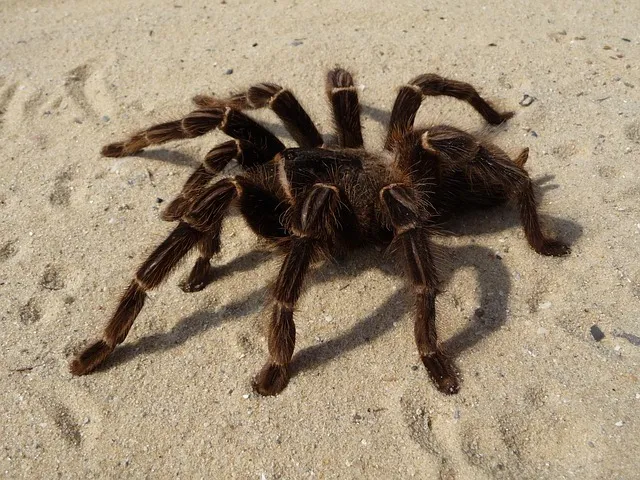
One of the most striking features of tarantulas is their size and appearance. They are among the largest spiders in the world, with some species boasting leg spans that can exceed 10 inches. Their bodies are covered in dense hairs, which give them a fuzzy appearance and also serve a sensory function. These hairs can detect air currents and vibrations, helping the tarantula locate prey and avoid predators. The coloration of tarantulas varies greatly, from the earthy browns and blacks that provide camouflage to the vibrant blues and oranges that warn potential threats. The diversity in size, color and appearance is quite remarkable.
Size and Appearance

The size of tarantulas is truly impressive. Some species can have a leg span that is wider than a human hand. Their appearance is also diverse, with colors ranging from muted browns and blacks for camouflage to vibrant blues and oranges for display. The hairs that cover their bodies are not just for show; they are also sensory organs that help the spider detect vibrations and air currents. This combination of size, diverse coloration, and sensory hairs makes tarantulas a visually stunning group of spiders. In fact, most tarantulas are quite docile and rarely bite, making them popular pets.
Tarantula Spiders Amazing Fact 2
Tarantulas have remarkable longevity, living for many years, much longer than most other spiders. Female tarantulas, in particular, can live for an exceptionally long time, often exceeding 20 years in captivity. Male tarantulas, on the other hand, typically have shorter lifespans, often dying shortly after mating. This longevity is a testament to their hardy nature and their ability to thrive in a variety of environments. The extended lifespan of female tarantulas allows them to produce multiple egg sacs throughout their lives, contributing to the survival of their species. Their life is one of the reasons why owning one can be quite a commitment.
Lifespan
The lifespan of tarantulas is significantly longer than that of many other spider species. Female tarantulas can live for over 20 years, while males typically have a shorter lifespan, often dying after mating. This extended lifespan is a unique characteristic among spiders, making female tarantulas a long-term commitment for those who choose to keep them as pets. This longevity is due to their slow metabolism, which enables them to conserve energy and survive in various conditions. These long lives make them fascinating creatures.
Tarantula Spiders Amazing Fact 3

Contrary to popular belief, tarantula bites are generally not life-threatening to humans. Their venom is usually mild, causing symptoms similar to a bee sting. However, the bite itself can be painful, and the spider’s fangs are quite large. More significant concerns come from the urticating hairs, which are barbed hairs that tarantulas flick off their abdomen as a defense mechanism. These hairs can cause skin irritation and, if inhaled, can cause respiratory problems. While their venom is not usually dangerous, it is important to avoid provoking a tarantula to prevent being bitten or exposed to their urticating hairs.
Venom and Bites
Although tarantulas are venomous, their bites are not typically dangerous to humans. The venom is usually mild, causing localized pain, redness, and swelling, similar to a bee sting. The main defense mechanism against humans is not their bite but the urticating hairs. Tarantulas flick these irritating hairs from their abdomen when threatened. These hairs can cause skin irritation and, if they get into the eyes or are inhaled, can cause more severe reactions. It is always best to observe tarantulas from a safe distance and avoid any behavior that might provoke them.
Tarantula Spiders Amazing Fact 4
Tarantulas inhabit a wide range of environments across the globe. They are found in various habitats, including deserts, grasslands, rainforests, and even suburban areas. The distribution of tarantulas is primarily in warmer regions, such as the Americas, Africa, Asia, and Australia. They have adapted to thrive in diverse conditions, building burrows in the ground, utilizing existing crevices, or simply roaming freely. The specific habitat of a tarantula species influences its coloration, size, and behavior, showcasing the remarkable adaptability of these spiders. This wide distribution is a testament to their resilience and adaptability to different climates and environments.
Habitat and Distribution

Tarantulas have a global distribution, residing in various habitats around the world. They are primarily found in warmer regions, including the Americas, Africa, Asia, and Australia. Within these regions, they occupy a wide range of environments, such as deserts, grasslands, and rainforests. Some species even live in suburban environments. Their ability to adapt to different habitats is a key factor in their wide distribution. They can be found in burrows, under rocks, or among vegetation, depending on the species and its specific needs.
Tarantula Spiders Amazing Fact 5
Tarantulas are primarily predators, feeding mainly on insects, but their diet can vary depending on the size and species of the tarantula. Larger tarantulas will consume small vertebrates, such as lizards, mice, and even small birds. They use their fangs to inject venom, which paralyzes their prey, and digestive enzymes to break down the tissues before they are consumed. The feeding habits of tarantulas are a fascinating example of nature’s efficiency, adapting their diet to the resources available in their habitat. This opportunistic feeding behavior is a key to their survival in diverse environments.
Feeding Habits
Tarantulas are carnivores and their diet consists mainly of insects, although larger species can consume small vertebrates like lizards and mice. They use their fangs to inject venom to paralyze the prey. After the prey is immobilized, the tarantula will use digestive enzymes to break down the prey’s tissues, making it easier to consume. Their feeding habits and methods, and their willingness to eat prey larger than themselves showcases their predatory prowess. Their diet varies greatly depending on the species and their local environment.
In conclusion, tarantula spiders are far more than just intimidating arachnids; they are complex and fascinating creatures. From their impressive size and diverse appearances to their long lifespans, mild venom, varied habitats, and opportunistic feeding habits, tarantulas have a lot to offer. These five facts barely scratch the surface of the many incredible aspects of tarantula spiders, and further study is likely to reveal even more amazing facts about these fascinating creatures.