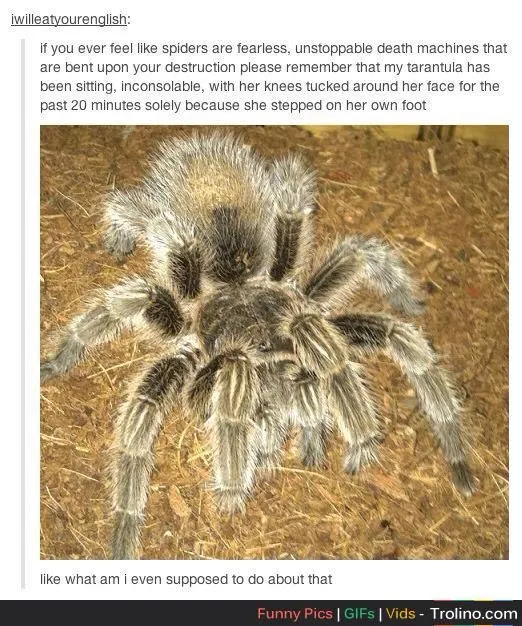
Why Tarantulas Stand Tall
Observing a tarantula standing tall can be a concerning sight for any owner, but understanding the reasons behind this behavior is crucial for providing proper care. Tarantulas, like many other creatures, communicate through body language. This stance, often referred to as an ‘upright posture,’ is not merely a random action; it’s a signal, a response to something in their environment, or a part of their natural lifecycle. This article will delve into the various reasons why your tarantula might be standing tall, ranging from natural processes like molting to defensive mechanisms, mating rituals, and even potential health concerns. By exploring these different possibilities, we can help you understand your tarantula better and ensure its well-being.
Molting Process and Standing Up
One of the most common reasons for a tarantula to adopt an upright posture is the molting process. Molting is the shedding of the exoskeleton, a vital process for growth and renewal. During molting, the tarantula will position itself in a specific way to facilitate this process. They may lie on their backs or, more commonly, adopt a somewhat upright posture. This posture helps them to detach the old exoskeleton and emerge in their new, larger form. The tarantula will often appear lethargic and may not eat for a period before molting begins. Providing a safe, undisturbed environment during this time is essential for their survival. After molting, they are extremely vulnerable and must be protected from any disturbances.
Preparing to Molt

Before a tarantula molts, it goes through a preparatory phase. You might notice the tarantula becoming less active, refusing food, and possibly digging a burrow or creating a web mat. The abdomen may appear darker and more swollen. The tarantula might also spend an extended period in an upright or unusual posture as it prepares to shed its exoskeleton. This preparation phase can last from a few weeks to several months, depending on the tarantula’s age and species. During this time, it’s important to maintain a stable environment and avoid any disruptions.
Post-Molting Behavior
After molting, the tarantula is incredibly vulnerable. Its new exoskeleton is soft and takes time to harden. The tarantula will remain in a secluded location and will not eat for several days or even weeks. It’s crucial to avoid handling the tarantula or disturbing its environment during this time. The upright posture might be maintained for a short period as the tarantula regains its strength and the new exoskeleton hardens. Gradually, the tarantula will resume its normal activities, and its posture will return to normal. Providing ample fresh water is crucial to help the tarantula recover.
Defensive Posture Tarantula Standing Its Ground
When feeling threatened, a tarantula may stand tall as a defensive mechanism. This posture makes the tarantula appear larger and more intimidating to potential predators. The tarantula might also raise its front legs, display its fangs, and flick urticating hairs from its abdomen if it feels particularly threatened. This defensive behavior is a clear warning sign to stay away. Understanding this posture is vital to avoid stressing your tarantula unnecessarily. If you notice this behavior, it’s essential to back off, remove any perceived threats, and let the tarantula calm down.
Threat Display and Predatory Behavior

Beyond defense, the upright posture can also be a part of predatory behavior. When a tarantula is stalking prey, it might stand tall, ready to pounce. This posture allows it to assess the situation, get a better view, and prepare for a swift attack. The tarantula’s fangs will be ready to strike, and the overall stance suggests a heightened level of alertness. Observing this behavior provides insights into the tarantula’s hunting strategies. If you are feeding your tarantula, it is important to create a safe environment without potential threats.
Mating and Standing Up
During mating, the male tarantula will often adopt an upright posture as part of the mating ritual. This posture can be a display of dominance or an attempt to attract a female. The male may also drum on the ground or vibrate his body to signal his intentions. The female might respond with her own posture, and the interaction will determine whether mating proceeds. Understanding the mating behaviors of tarantulas helps in creating a suitable environment if you intend to breed them.
Male Tarantula Behavior
Male tarantulas have specific behaviors related to mating. They build sperm webs, which are used to collect sperm. They often become restless and may roam around the enclosure, searching for a receptive female. The upright posture is a part of the display, showcasing their readiness to mate. After mating, the male’s behavior changes, and they typically attempt to escape from the female to avoid being eaten. It is always important to supervise their behaviors.
Female Tarantula Behavior

Female tarantulas can also display upright postures during mating. They may stand tall to signal their receptiveness or to ward off unwanted advances. The female’s posture and behavior are critical in determining the success of the mating process. The female may attack and eat the male if she is not receptive. Providing a safe and appropriate environment is essential for the female to feel comfortable and accept the male.
Environmental Factors and Standing Up
Environmental conditions, such as temperature and humidity, can also influence a tarantula’s behavior and posture. If the temperature is too high or the humidity is too low, a tarantula may adopt an unusual posture as a way of regulating its body temperature or conserving moisture. The substrate in the enclosure plays a crucial role in their comfort. A tarantula may stand tall if the substrate is not suitable, providing them with the support they require.
Temperature and Humidity
Tarantulas thrive in specific temperature and humidity ranges. High temperatures can cause them to become stressed, while low humidity can lead to dehydration. Maintaining the correct environmental conditions helps ensure the tarantula’s well-being. Using a hygrometer and thermometer can help monitor these levels. If the conditions are not optimal, your tarantula might display the upright posture to regulate its internal temperature or conserve moisture. Providing ample water can help.
Substrate and Habitat Considerations

The substrate in your tarantula’s enclosure should be appropriate for its species. It should provide a safe and comfortable environment. Insufficient or inappropriate substrate may cause the tarantula to adopt unusual postures. The tarantula needs a substrate it can burrow in or use for anchoring. The substrate should be kept clean and replaced regularly. The habitat should mimic their natural habitat as closely as possible. Using the correct substrate and ensuring the habitat is suitable can help prevent the tarantula from standing tall due to discomfort or lack of support.
Health Issues and Unusual Posture
In some cases, an unusual posture can indicate a health issue. Dehydration, parasites, or infections can cause a tarantula to stand tall. If your tarantula displays the upright posture alongside other unusual behaviors, such as lethargy, loss of appetite, or tremors, it is essential to investigate further. Observing your tarantula closely and knowing the signs of potential health issues is paramount for their care. Consulting a veterinarian specializing in exotic animals can help determine if there are any underlying health problems. Early intervention is critical in treating diseases and other health issues.
Dehydration and Its Effects
Dehydration can lead to several health problems for tarantulas, including an unusual posture. A dehydrated tarantula may become lethargic and have difficulty moving. Dehydration can also affect the molting process and overall health. Providing a constant supply of fresh water is crucial for preventing dehydration. If you suspect your tarantula is dehydrated, mist the enclosure, and ensure the water dish is always full. Dehydration can quickly become fatal for a tarantula.
Parasites and Infections

Parasites and infections can also cause a tarantula to stand tall or display other abnormal behaviors. These health issues can weaken the tarantula and lead to a variety of symptoms. If you suspect your tarantula has parasites or an infection, it’s important to consult a veterinarian who specializes in exotic animals. Some infections can be treated with medication, while others may require more complex intervention. Maintaining a clean enclosure and quarantining new tarantulas can help prevent the spread of parasites and infections.
Observing Your Tarantula
Regular observation is the most effective way to understand your tarantula’s behavior and identify potential problems. Pay close attention to its posture, feeding habits, activity levels, and overall appearance. Any sudden changes in behavior should be investigated. Establishing a routine for observing your tarantula will allow you to detect unusual behavior early. This can help you respond quickly to any potential health issues and provide appropriate care.
Monitoring and Documentation
Keeping a record of your tarantula’s behaviors and activities can be incredibly helpful. Note the frequency of feeding, molting cycles, and any unusual postures. Documenting these observations will provide a valuable reference point. If a problem arises, you will have a history to refer to. You can then relay this information to your veterinarian. This type of tracking can help you recognize patterns and any potential health issues. Taking photos and videos can also be helpful.
Seeking Veterinary Advice

If you are concerned about your tarantula’s behavior, especially if it’s accompanied by other symptoms, consult a veterinarian who specializes in exotic animals. They can perform a thorough examination and recommend appropriate treatment if necessary. Early intervention can greatly improve the chances of recovery. Your veterinarian can provide guidance on how to ensure your tarantula’s health. Don’t hesitate to seek professional help if you are unsure about any aspect of your tarantula’s care.
Understanding why your tarantula stands tall is essential for proper care. From molting and defensive postures to mating rituals and potential health issues, the reasons behind this behavior are diverse. By observing your tarantula closely and understanding its needs, you can provide the best possible environment and care, ensuring a long and healthy life for your pet. Remember to maintain a clean and appropriate environment and always consult with a veterinarian if you have any concerns about your tarantula’s health.