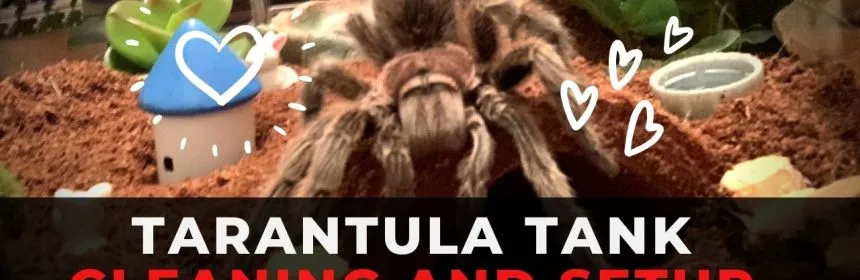
Understanding Tarantula Tank Hygiene
Maintaining a clean and healthy environment is paramount for the well-being of your tarantula. Tarantulas, like all living creatures, produce waste, and their enclosures can become soiled with uneaten food, molted exoskeletons, and other debris. Proper tank hygiene is crucial not only for the aesthetic appeal of your pet’s habitat but, more importantly, for the tarantula’s health. A clean enclosure prevents the buildup of harmful bacteria, fungi, and mites, which can pose significant health risks to your arachnid companion. This guide delves into the intricacies of tarantula tank cleaning, offering insights into the frequency, methods, and supplies needed to keep your tarantula thriving.
Why Regular Cleaning Is Crucial for Your Tarantula
Regular cleaning is not merely about aesthetics; it directly impacts the health and longevity of your tarantula. A dirty tank is a breeding ground for pathogens that can cause various health issues. Tarantulas are sensitive creatures, and their immune systems can be compromised by a contaminated environment. Moreover, a clean tank provides a more natural and stress-free environment, promoting the tarantula’s overall well-being. A clean environment helps in easy observation and monitoring of your tarantula, allowing you to promptly notice any changes in its behavior or health that may require veterinary attention. By establishing a consistent cleaning routine, you provide a safe and healthy habitat that will keep your tarantula comfortable and thriving for years to come.
Impact of Poor Hygiene

Poor hygiene in a tarantula enclosure can have dire consequences. The accumulation of waste and uneaten food can lead to the proliferation of bacteria and fungi. These microorganisms can cause various health problems, including skin infections, respiratory illnesses, and other serious conditions. Dirty tanks also attract mites, which can infest your tarantula and cause significant irritation and distress. A consistently unclean environment can weaken the tarantula’s immune system, making it more susceptible to diseases. Moreover, the presence of ammonia from decaying waste can be toxic to tarantulas, leading to respiratory issues and, in severe cases, death. Ignoring tank hygiene is a risky proposition, ultimately affecting your tarantula’s quality of life and lifespan.
Common Health Issues
Several health issues are directly linked to poor tank hygiene. One of the most common problems is fungal infections, which can manifest as skin lesions or respiratory distress. Bacterial infections can also occur, leading to localized or systemic illnesses. Mites, attracted by decaying organic matter, can infest the tarantula, causing irritation, stress, and potentially transmitting diseases. Another issue is mold, which can release spores harmful to your tarantula’s respiratory system. In severe cases, these infections can prove fatal. Therefore, regular cleaning and maintenance are vital to prevent these and other health issues and to ensure that your tarantula leads a healthy and happy life.
Determining Cleaning Frequency Based on Species
The ideal cleaning frequency varies depending on the tarantula species and its environmental needs. Some species are more sensitive to changes in their environment than others, requiring more frequent maintenance. Other factors that can influence cleaning frequency include the size of the tarantula, its feeding habits, and the type of substrate used. A deeper understanding of these factors allows for a more customized and effective cleaning schedule that meets each tarantula’s specific requirements. Consider your tarantula’s specific characteristics to determine the appropriate cleaning routine.
Terrestrial Tarantulas

Terrestrial tarantulas, which spend most of their time on the ground, typically require less frequent cleaning than arboreal species. Because their enclosures are generally drier, waste decomposes at a slower rate. A good rule of thumb is to spot-clean the enclosure weekly, removing any visible waste, uneaten food, and molted exoskeletons. A full tank cleaning, involving the replacement of the substrate, may be necessary every 2 to 4 months, depending on how quickly the substrate becomes soiled and how frequently the tarantula is fed.
Arboreal Tarantulas
Arboreal tarantulas, which live in trees or elevated areas, often require more frequent cleaning due to the higher humidity levels necessary for their well-being. The increased humidity can lead to faster decomposition and the growth of mold or fungus if the enclosure is not properly maintained. Spot cleaning should be done at least twice a week, with full tank cleanings every 1 to 3 months. Make sure to monitor the humidity levels and watch for any signs of mold or fungus, adjusting your cleaning schedule as needed.
Semi-Arboreal Tarantulas
Semi-arboreal tarantulas, which occupy habitats somewhere between terrestrial and arboreal environments, fall in the middle. Their cleaning needs are also somewhere in between. A good approach is to spot-clean at least once a week and perform full tank cleanings every 2 to 3 months. These tarantulas require careful observation of their enclosure to ensure the right balance of humidity, substrate cleanliness, and air circulation.
Cleaning Schedule and Best Practices

Establishing a consistent cleaning schedule is crucial for maintaining a healthy habitat for your tarantula. Regardless of the species, spot cleaning should be a regular practice, ideally done once or twice a week. This involves removing visible waste, uneaten food, and molted exoskeletons. Full tank cleanings should be less frequent, depending on the tarantula’s species and the condition of the substrate. It’s also important to monitor the tank’s humidity and temperature levels to ensure they are within the appropriate range for your tarantula’s species. By combining these practices, you create an environment that supports your tarantula’s health and well-being.
Spot Cleaning vs. Full Tank Cleaning
The two main types of cleaning are spot cleaning and full tank cleaning. Spot cleaning is the routine removal of visible waste, such as uneaten food, fecal matter, and molted exoskeletons. This should be done regularly, typically once or twice a week. Full tank cleaning involves removing all substrate, cleaning the enclosure thoroughly, and replacing the substrate. This is a more in-depth process and should be performed less frequently, usually every 1 to 4 months, depending on the needs of the tarantula and the cleanliness of the enclosure. Understanding the difference between the two and implementing both is key to maintaining a healthy environment.
Supplies You’ll Need
Having the right supplies will make cleaning your tarantula’s tank easier and more effective. Essential items include: gloves to protect yourself, a small scoop or spoon for removing waste, paper towels or a soft cloth for wiping down the enclosure, a container for discarding waste, a spray bottle for misting (if necessary), and a suitable substrate replacement. Avoid using harsh chemicals or disinfectants, as these can be harmful to your tarantula. It’s also a good idea to have a separate container for the tarantula while cleaning. Use these supplies to safely and efficiently clean your tarantula’s habitat.
Step-by-Step Cleaning Guide

Here’s a step-by-step guide to cleaning your tarantula’s tank. First, put on your gloves. Second, gently remove your tarantula into a secure, temporary container. Third, spot-clean the enclosure, removing any visible waste and uneaten food. Fourth, if doing a full tank cleaning, carefully remove the substrate. Fifth, clean the enclosure with warm water and a mild, unscented soap, rinsing thoroughly. Sixth, allow the enclosure to dry completely. Seventh, add fresh substrate, ensuring it’s the right type for your tarantula’s species. Eighth, return your tarantula to its clean enclosure. Finally, always wash your hands thoroughly after cleaning. This method ensures your tarantula lives in a clean and safe environment.
Feeding Habits and Waste Management
Feeding habits and waste management are critical factors in tarantula tank hygiene. Overfeeding can lead to a buildup of uneaten food, which can decompose and attract pests. It is important to feed your tarantula an appropriate amount of food, typically one or two appropriately sized insects per week, depending on its size and species. Be sure to remove any uneaten food within 24 hours to prevent decay. Regularly monitor the tarantula’s waste, as changes in its consistency or frequency could indicate potential health issues. Manage waste effectively by removing it during spot cleaning and by performing full tank cleanings as needed. Effective feeding and waste management practices keep your tarantula’s enclosure clean and healthy.
Recognizing Signs of a Dirty Tank
It’s essential to recognize the signs of a dirty tank to take prompt action. Visible signs include the accumulation of waste, uneaten food, and molted exoskeletons. A foul odor, indicating the presence of decaying matter, is another indicator. The presence of mold or fungus, often appearing as fuzzy growths, is a serious sign of poor hygiene. A dirty tank can also harbor mites or other pests. Regularly inspecting the enclosure for these signs and addressing them promptly is crucial for maintaining a healthy habitat for your tarantula. Make this a part of your routine to keep your tarantula happy.
Dealing with Mold and Fungus

Mold and fungus are common issues in tarantula enclosures, often caused by excessive humidity or poor ventilation. If you notice mold or fungus, remove the tarantula from the enclosure and carefully remove and dispose of all substrate. Clean the enclosure thoroughly with warm water and mild soap, ensuring all traces of the mold are removed. Allow the enclosure to dry completely before reintroducing the tarantula. To prevent mold, ensure proper ventilation, regulate humidity levels, and avoid overwatering or overfeeding. If the problem persists, consider using a substrate that is less prone to mold growth, such as coconut fiber. Regular monitoring and prompt action are important in keeping your tarantula safe.
Maintaining Optimal Humidity and Temperature
Maintaining the correct humidity and temperature levels is crucial for your tarantula’s health, which indirectly influences how frequently you need to clean the tank. Regularly monitor the humidity levels using a hygrometer. Adjust the ventilation and misting as needed to maintain the appropriate humidity range for your tarantula’s species. Ensure proper ventilation prevents excessive moisture buildup and mold growth. Similarly, maintain the correct temperature range with a heat source, like a heat mat. Proper environmental control and cleaning will maintain a healthy habitat.
Conclusion Your Tarantula’s Happy Home
By understanding the importance of tarantula tank hygiene and implementing a consistent cleaning routine, you can provide your pet with a safe and healthy environment. Remember to consider your tarantula’s species, environment, and specific needs when determining the cleaning frequency and methods. Regular cleaning prevents health issues, promotes the tarantula’s overall well-being, and allows you to enjoy your pet to the fullest. Create a thriving environment for your tarantula by adhering to these guidelines and watching your fascinating creature flourish.