What is Tarantula About
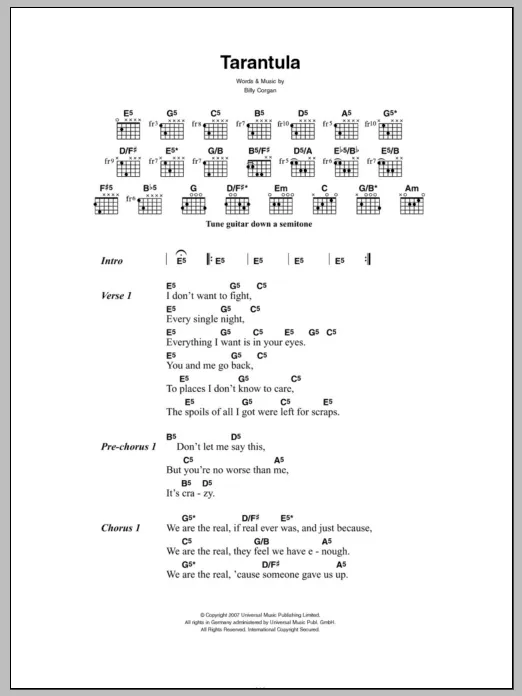
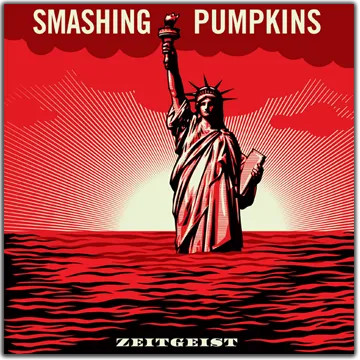
“Tarantula” is a song by The Smashing Pumpkins, released on their 2007 album, Zeitgeist. Understanding “Tarantula” requires a deep dive into the band’s complex lyrical themes and musical style. The song is often interpreted as a reflection on themes of identity, conflict, and the search for meaning. The lyrics, penned by Billy Corgan, are known for their poetic nature, often employing metaphorical language and cryptic imagery. The musical arrangement, characterized by heavy guitars, dynamic drumming, and Corgan’s distinctive vocals, complements the song’s intense emotional core. Analyzing the “Tarantula” traduzione, or translation, reveals layers of depth and insight into the band’s artistic vision. Through a detailed examination of key phrases, emotional impacts, and musical elements, we can fully appreciate the song’s significance. This is the foundation to start our journey to translate it.
The Overall Meaning of Tarantula
The overall meaning of “Tarantula” is not straightforward; it’s open to interpretation. However, a common thread is a sense of struggle, whether internal or external. The song appears to explore themes of facing fears and confronting difficult truths. The title itself, “Tarantula,” suggests something predatory, dangerous, or perhaps, something that ensnares or traps. In the context of the lyrics, it may represent a person, a situation, or an internal demon that the protagonist must overcome. Analyzing the “traduzione” helps to clarify these abstract notions, providing insight into the intended emotions and messages of the song. Understanding the song’s central theme is essential for correctly interpreting the phrases and the overall context within the song’s lyrics.
The Poetic Language
Smashing Pumpkins’ songs are renowned for their poetic language and use of metaphors, and “Tarantula” is no exception. Corgan’s lyrics are rich with symbolism, creating a multi-layered experience for the listener. The poetic language often obscures direct meanings, encouraging listeners to engage with the song on a deeper level. This ambiguity allows for personal interpretations, making the song relatable to a wide audience. Common literary devices, such as alliteration, assonance, and imagery, are used throughout the song to convey emotion and create vivid pictures in the mind. Close scrutiny of the lyrics in terms of the “traduzione” reveals the ways these poetic devices contribute to the overall impact of the song, making it more complex and evocative.
Key Phrases and Their Meaning
Several phrases within “Tarantula” stand out due to their significance and potential impact on the song’s overall meaning. These phrases offer clues into the song’s central themes and the emotional state of the narrator. The careful examination of these phrases can help us better understand the artist’s intent. By analyzing the “traduzione” of these specific lines, we can better understand how the song expresses the emotions within its entirety. In this section, we will explore three of these pivotal phrases, dissecting their meanings and contextual significance within the wider narrative of the song.
Phrase 1 Analysis
Phrase 1 is a critical part of the song’s interpretation. To analyze this phrase, we will break down each word, looking at its denotative and connotative meanings. This involves checking the common interpretation of the phrase, as well as its context within the whole song. Consider what the words evoke emotionally, and how they contribute to the song’s overall impact. Then we will cross reference those meanings by comparing those meanings with the “traduzione” to uncover any nuances that can impact the overall meaning.
Phrase 2 Analysis

Phrase 2 is another important phrase to the song. The approach here is much the same as our first phrase analysis, which involves dissecting the words within the phrase and assessing their meaning. Understanding the phrasing may also involve checking the word origins and cultural implications of the phrase. This will help to clarify the singer’s intent. After that, we will compare those meanings with the “traduzione” of the song to look for any unique meanings.
Phrase 3 Analysis
Phrase 3, similar to the other phrases, requires in-depth analysis to interpret it’s meaning within the song. We begin by dissecting the literal and figurative meanings of the words. Contextualizing this phrase in the wider context is also important. We will assess the meaning of this phrase by referencing the “traduzione” of the song, looking for subtle meanings and the way it connects the song’s overall meaning.
The Emotional Impact of the Song
“Tarantula” elicits a range of emotions in listeners, often leaning towards intensity and introspection. The song’s sound, its heavy instrumentation, and the raw emotion in Corgan’s voice contribute to this impact. It may bring feelings of tension, vulnerability, and catharsis. This emotional impact is heightened by the song’s lyrical content, which deals with themes of struggle, fear, and the search for meaning. Moreover, the use of metaphors and poetic language allows listeners to connect with the song on a personal level, enriching their experience. Through “traduzione” we can connect the emotional impact with the specific phrases and the way it is presented in the song.
Smashing Pumpkins’ Style
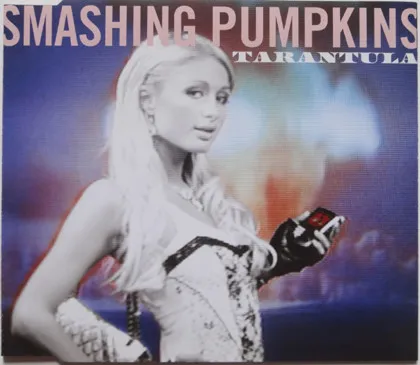
The Smashing Pumpkins are known for their unique style, which blends elements of alternative rock, grunge, and psychedelic rock. Their sound is characterized by heavy guitars, powerful drumming, and Corgan’s distinct vocal style. The band’s approach often includes dynamic shifts, varying from soft and introspective to loud and aggressive. They often deal with complex themes and emotions. The songwriting is characterized by poetic and symbolic language. Analyzing “Tarantula” reveals how the band’s style manifests in this specific song. In combination with the “traduzione”, we can find out more about their musical influences, and see how their style contributes to the song’s unique character.
Tarantula in Context
“Tarantula,” in the context of the album Zeitgeist, marks a significant moment in The Smashing Pumpkins’ discography. Released after a period of changes for the band, the album saw the return of Corgan with new members. The song’s inclusion on the album, therefore, adds to the overall narrative of renewal, and possibly, a re-examination of artistic identity. The song’s position within the album’s tracklist and its relationship to other songs on the album also provide clues to its meaning. Looking at it from the perspective of the “traduzione”, the song’s significance can be understood by examining it as part of the album’s larger themes.
The Musical Arrangement
The musical arrangement of “Tarantula” is an essential component of its impact. The song is characterized by its heavy guitars, aggressive drumming, and soaring vocals. These elements work together to create an intense and emotional experience for the listener. The band’s use of dynamic shifts is particularly notable, moving from quieter, more reflective sections to powerful, full-blown rock passages. This dynamic range enhances the song’s emotional effect. By combining with the “traduzione”, we gain a deeper understanding of how these musical choices impact the song.
Instruments and Their Roles

The use of instruments in “Tarantula” is key to the song’s character. The heavy guitar riffs, often playing distorted power chords, provide a base for the song’s sound. The drums, with their driving rhythms and fills, add intensity and energy. Corgan’s vocals, ranging from soft, introspective moments to explosive singing, convey the song’s emotional depth. Examining the interplay of these instruments, together with the “traduzione”, reveals how the band utilizes each instrument to create the emotional weight of the song.
Tempo and Rhythm
The tempo and rhythm of “Tarantula” play a vital role in the song’s impact. The tempo, which can vary at times, shifts the song’s energy level. The drumbeat maintains a strong rhythmic foundation, which is vital to the song’s momentum. The way the guitars and vocals follow the rhythm, add to the emotional power. Through analyzing the “traduzione”, listeners can observe the connection between the song’s structure and its meaning.