
Understanding the Tarantula Wasp Bite
The tarantula hawk wasp, a formidable insect known for its massive size and potent sting, presents a unique challenge when it comes to bites. Understanding the nature of the tarantula wasp bite is crucial for anyone who ventures into its habitat. This comprehensive guide will explore everything from identification and symptoms to immediate first aid, treatment options, preventative measures, and long-term effects. Armed with knowledge, you can confidently navigate the situation should you or someone you know be unfortunate enough to experience this painful encounter. This knowledge can empower you to respond effectively, minimizing discomfort and potential complications and ensuring the best possible outcome.
What is a Tarantula Wasp
The tarantula hawk wasp, belonging to the Pompilidae family, is among the largest wasps globally. These impressive insects are identifiable by their striking appearance, typically featuring a blue-black body and vibrant orange wings. The female wasps are particularly noteworthy due to their hunting behavior – they paralyze tarantulas, dragging them to burrows to serve as hosts for their eggs. These wasps are solitary creatures, and while they are not aggressive by nature, they possess a sting considered one of the most painful in the insect world. Their preference for arid and semi-arid environments means they are often found in regions with warmer climates, where they can encounter their tarantula prey.
Identifying the Tarantula Wasp

Identifying the tarantula hawk wasp is a critical first step in avoiding its sting. These wasps are quite large, often measuring up to two inches in length. Their bodies are typically a deep blue or black, complemented by vibrant, rust-colored or orange wings. The strong, spiny legs are a key characteristic, aiding in their ability to drag large prey. They can be distinguished from other wasps by their relatively long legs and antenna. While both males and females have the distinct coloring, the females are the ones that possess the stinger, making them the primary threat. Careful observation can help in recognizing this insect and taking appropriate precautions.
See image: tarantula-wasp-identification.webp
The Bite Mechanism
The tarantula hawk wasp bite is not a bite in the traditional sense, but rather a sting. The female wasp uses her stinger, a modified ovipositor, to inject venom. The venom is not designed to kill, but rather to induce intense pain and temporarily paralyze the target. The sting is primarily a defense mechanism, deployed when the wasp feels threatened. The stinger penetrates the skin, delivering a potent neurotoxin that causes immediate and excruciating pain. It’s worth noting that the stinger is retained by the wasp, enabling it to deliver repeated stings if necessary. The injection process itself is remarkably quick, but the effects can linger for a significant period, causing distress.
Symptoms of a Tarantula Wasp Bite
Recognizing the symptoms of a tarantula wasp sting is crucial for prompt and effective treatment. The symptoms typically unfold in a predictable pattern, beginning with immediate, intense pain and followed by a range of other possible reactions. Knowing what to expect will help you determine the severity of the situation and the necessary steps to take. The sting’s effects can vary slightly depending on individual sensitivity and the amount of venom injected. Being informed about these symptoms can significantly improve your response, minimizing complications and facilitating a smoother recovery.
Immediate Symptoms

The most immediate and characteristic symptom of a tarantula wasp sting is excruciating pain. The pain is often described as one of the worst types of pain an individual can experience, characterized by a sharp, burning sensation that quickly intensifies. The sting site will likely become red and swollen within seconds. Other immediate symptoms may include a rapid heartbeat, sweating, and sometimes, brief paralysis. These reactions are a direct result of the venom’s neurotoxins. The immediate pain is often the most distressing aspect of the sting, sometimes overwhelming the senses. The onset of these symptoms is very rapid, and the intensity of the pain peaks shortly after the sting occurs.
See image: tarantula-wasp-bite-symptoms.webp
Delayed Symptoms
Following the initial intense pain, a range of delayed symptoms may appear. The pain typically subsides somewhat after a few hours, but other effects can linger for days or even weeks. These include continued swelling and redness around the sting site, tenderness, and sometimes, muscle soreness. The affected area may feel warm to the touch. In some individuals, the delayed symptoms may also include headaches, nausea, and dizziness. Rarely, more severe reactions such as allergic responses may occur, requiring immediate medical attention. The duration and severity of delayed symptoms vary depending on the individual and the amount of venom injected.
First Aid for a Tarantula Wasp Bite
Administering first aid immediately after a tarantula wasp sting can significantly reduce pain and prevent complications. The primary goals are to alleviate pain, minimize swelling, and monitor the individual for any adverse reactions. Quick and effective first aid can make a substantial difference in the recovery process. It’s crucial to remain calm and act swiftly, following the recommended steps to provide the best possible care. Familiarizing yourself with these immediate actions can improve your response and provide comfort during a distressing situation.
Immediate Steps

The first step is to move away from the area where the sting occurred to avoid further stings. Stay calm and reassure the person who was stung. If possible, apply ice or a cold compress to the sting site to reduce swelling and provide some pain relief. It is crucial to monitor the individual for any signs of an allergic reaction, such as difficulty breathing, swelling of the face or throat, or dizziness. If such symptoms appear, seek immediate medical attention. It is important to document the time of the sting and any symptoms experienced. These immediate actions set the foundation for further treatment.
See image: first-aid-for-tarantula-wasp-bite.webp
Cleaning and Care
Clean the sting site gently with soap and water to prevent infection. Avoid scratching the area, as this can worsen irritation and increase the risk of infection. If a stinger is present, it can be removed by scraping it sideways with a fingernail or a credit card, taking care not to squeeze the venom sac. After cleaning, keep the area clean and dry. Applying a cool compress for 10–15 minutes at a time can help alleviate pain and reduce swelling. Monitoring the site for signs of infection, such as increased redness, pus, or fever, is important. Proper wound care helps speed up the healing process and prevents secondary issues.
Seeking Medical Attention
Seek medical attention immediately if the person experiences severe allergic reactions, such as difficulty breathing, swelling of the face or throat, dizziness, or loss of consciousness. If the pain is unbearable or does not subside within a reasonable amount of time, consult a healthcare professional. If the individual has a history of allergic reactions to insect stings or bites, or if the symptoms worsen, medical consultation is essential. Prompt medical intervention can prevent the progression of serious complications. A doctor can provide appropriate treatment and assess for any underlying conditions.
Treatment Options

Treatment options for a tarantula wasp sting aim to alleviate pain, reduce swelling, and prevent infection. The choice of treatment depends on the severity of the symptoms and any existing medical conditions. While the pain from a tarantula hawk wasp sting is excruciating, most bites resolve without long-term complications with proper care and treatment. The goal is to reduce discomfort while the venom is metabolized and the body recovers. Various methods and medications are employed to achieve these objectives, ranging from simple home remedies to more advanced medical interventions.
Pain Management
Pain management is a critical component of treating a tarantula wasp sting. Over-the-counter pain relievers, such as ibuprofen or acetaminophen, can help reduce pain and inflammation. Applying a cold compress or ice pack to the sting site can also offer significant pain relief. In severe cases, a doctor may prescribe stronger pain medications. Topical creams, containing ingredients like menthol or benzocaine, can also numb the area. Elevating the affected limb can help reduce swelling and further alleviate pain. Managing the pain effectively helps make the experience more bearable and promotes faster recovery.
See image: pain-management-for-tarantula-wasp-bite.webp
Antihistamines and Other Medications
Antihistamines may be prescribed to reduce swelling and relieve itching. If there are signs of an allergic reaction, a doctor may administer epinephrine. Antibiotics might be required if a secondary bacterial infection develops at the sting site. Corticosteroid creams or oral medications can help manage inflammation. Medical professionals will determine which medications are suitable based on the individual’s symptoms and condition. Always follow a healthcare provider’s instructions. In more serious cases, medical interventions may be needed to address complications and manage the patient’s condition.
See image: antihistamines-for-tarantula-wasp-bite.webp
When to See a Doctor
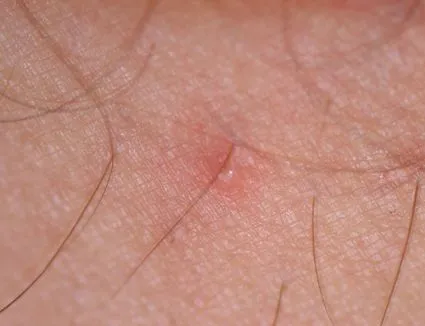
It’s important to seek medical attention if you experience any severe allergic reactions, such as difficulty breathing, swelling of the face or throat, or loss of consciousness. Consult a doctor if the pain is unbearable or if the symptoms do not improve after a few days. If you notice signs of infection, such as increased redness, pus, or fever, you should seek professional medical advice immediately. If you have a history of allergies or any pre-existing health conditions, it is crucial to seek prompt medical attention. Early medical intervention can prevent complications and ensure the best possible outcome.
Preventing Tarantula Wasp Bites
Preventing tarantula wasp bites is about understanding their habitat and behavior and taking appropriate precautions. The goal is to minimize the risk of encountering these insects and reduce the likelihood of being stung. Several simple yet effective measures can protect you. These include wearing protective gear, avoiding areas where these wasps are common, and staying aware of your surroundings. Prevention is always better than cure. By practicing these preventative measures, you can enjoy the outdoors with greater safety and peace of mind.
Avoiding Tarantula Wasps
Avoid areas known to be habitats for tarantula wasps. They are commonly found in arid and semi-arid regions. Be particularly cautious around sandy or sparsely vegetated areas where they are likely to nest or hunt. Awareness of their nesting behavior is also important; they often build nests in the ground or under rocks. If you encounter one, avoid sudden movements and stay calm. Do not attempt to approach or disturb them. When outdoors, always be vigilant and aware of your environment. Paying attention to your surroundings and avoiding high-risk areas will reduce the possibility of an encounter.
See image: tarantula-wasp-avoidance.webp
Protective Gear

Wearing protective clothing is a simple yet effective way to minimize the risk of stings. This includes long sleeves, long pants, and closed-toe shoes, especially when working or hiking in known tarantula wasp habitats. Consider wearing thick gloves, particularly if you are handling objects or working outdoors where these wasps might be present. If you know you are entering an area where tarantula wasps are prevalent, consider wearing a hat or a mesh head covering to protect your face and neck. Protective gear creates a physical barrier, reducing the likelihood of stings and providing an added layer of safety.
See image: protective-gear-against-tarantula-wasps.webp
Habitat Awareness
Understanding the habitats of tarantula wasps can help you take proactive measures to avoid them. These wasps prefer arid and semi-arid environments, such as deserts, scrublands, and open grasslands. They are often found in regions with warm temperatures. Knowing their preferred environments allows you to exercise caution and avoid risky areas. Be aware of the types of plants and terrain in the area and familiarize yourself with the local insect life. Inspect areas carefully before sitting or reaching into potential nesting sites. Awareness reduces the chances of an accidental encounter.
Long-Term Effects and Recovery
While the initial pain of a tarantula wasp sting is intense, most individuals recover completely without any lasting complications. However, it’s important to understand the potential long-term effects and what to expect during the recovery process. Awareness of the recovery timeline, potential complications, and proper care of the sting site is crucial. This knowledge will help ensure a smooth healing process and help you manage any issues that may arise. The majority of individuals will heal fully, but it is essential to be aware of any signs of trouble.
Potential Complications

The most common complications associated with tarantula wasp stings include local infections, allergic reactions, and, in very rare cases, more serious systemic reactions. Infections can occur if the sting site is not properly cleaned and cared for. Allergic reactions can range from mild skin irritation to severe anaphylaxis, requiring immediate medical intervention. In rare instances, a severe reaction can result in more serious complications such as cardiac or respiratory problems. Monitoring the sting site for signs of infection, and being aware of any allergic symptoms, can help you identify and address any complications early. If there are any concerns, seeking medical assistance is essential.
Recovery Timeline
The recovery timeline for a tarantula wasp sting varies depending on the individual and the severity of the reaction. The intense pain typically subsides within a few hours, while swelling and redness can persist for several days. Mild symptoms, such as tenderness and itching, may last for up to a week or two. In cases with a secondary infection or a more severe reaction, recovery can take longer. Following first aid measures, taking the prescribed medication, and practicing good hygiene will help speed the recovery. Most people experience a complete recovery within a few weeks.
See image: tarantula-wasp-bite-recovery.webp
Caring for the Bite Site
Proper care of the bite site is essential to promote healing and prevent infections. Keep the area clean and dry, gently washing it with soap and water daily. Avoid scratching the site, as this can worsen irritation and potentially introduce bacteria. Apply a cool compress for 10–15 minutes several times a day to reduce swelling and provide comfort. Monitor the area for any signs of infection, such as increased redness, pus, or fever. Follow your healthcare provider’s instructions regarding any medications or topical treatments. Proper wound care reduces the chances of complications and ensures a smoother recovery.
In conclusion, the tarantula wasp sting is a painful experience, but with the right knowledge and actions, you can manage the situation effectively. Recognizing the wasp, understanding the symptoms, applying immediate first aid, and seeking appropriate treatment are essential. Prevention through habitat awareness and protective measures is the best way to avoid the sting. By following these guidelines, you can significantly improve the likelihood of a full and speedy recovery. Always remain vigilant and prepared when in areas where tarantula wasps are known to exist. Your preparedness is key to safety and well-being.