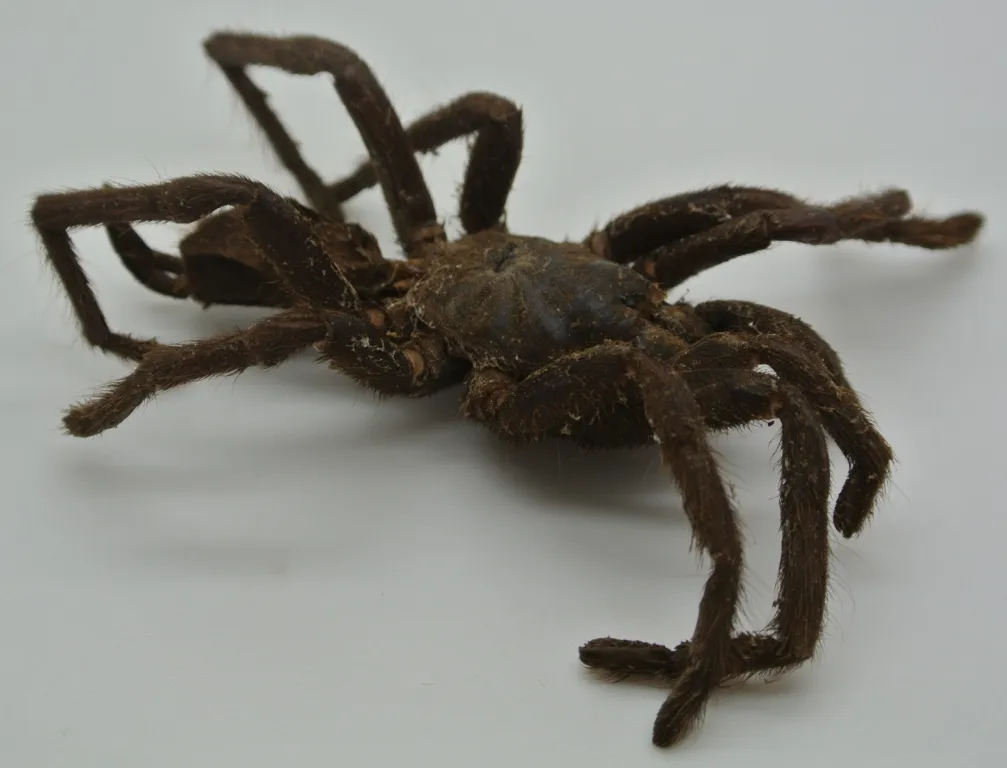
Understanding the Tarantula Zombie Threat
The world of the unknown often presents us with scenarios that challenge our understanding of reality. Among the more unsettling concepts is the idea of the “Tarantula Zombie,” a creature that merges the arachnid world with the horrifying imagery of the undead. While this might sound like something from a sci-fi thriller, understanding the potential dangers and how to survive a bite requires a serious approach. This guide aims to provide essential information, separating fact from fiction and equipping you with the knowledge needed to face this terrifying threat. Preparing yourself mentally and practically is the first step towards ensuring your safety when confronting such a unique hazard.
What is a Tarantula Zombie
A Tarantula Zombie, in essence, is a hypothetical hybrid creature. It would likely be a tarantula that has been subjected to a virus, parasite, or some form of biological alteration, turning it into a creature with characteristics of both a tarantula and a zombie. Imagine the size and venomous capabilities of a tarantula, combined with the aggressive, relentless nature often associated with the undead. The term itself is a blend of the familiar, “tarantula,” and the fear-inducing, “zombie.” It creates an immediate sense of dread, making it crucial to understand the potential behaviors and threats a Tarantula Zombie could pose.
Identifying a Tarantula Zombie

Identifying a Tarantula Zombie is crucial, as early detection is key to survival. Unlike regular tarantulas, a zombie version may exhibit unusual behaviors. Look for erratic movements, uncharacteristic aggression, and a relentless pursuit of living targets. The physical appearance could be altered, perhaps with a pale or decaying exoskeleton, or signs of infection. It’s also vital to recognize that the creature might have an increased resistance to normal deterrents, and its venom could be significantly more potent. Being observant, knowing the natural behaviors of tarantulas, and being vigilant of any unusual traits could save your life in the event of an encounter.
The Biology of Tarantula Zombie Bites
The biology of a Tarantula Zombie bite would likely be a terrifying combination of arachnid venom and a potential vector for an unknown disease. Tarantula venom, normally used for subduing prey, could be enhanced. A zombie tarantula bite may introduce harmful pathogens into the bloodstream, affecting the nervous system. It may also cause a rapid breakdown of tissue, and trigger a cascade of physiological reactions. This blend of venomous attack and potential disease transmission makes a bite from such a creature particularly dangerous, requiring immediate and specialized medical attention. Understanding the precise biological mechanism of the bite would assist in developing effective countermeasures.
Symptoms of a Tarantula Zombie Bite
The symptoms of a Tarantula Zombie bite could manifest in several stages, and would likely include a combination of immediate and delayed reactions. Initially, there might be intense pain, swelling, and redness at the bite site. However, the symptoms could escalate rapidly, potentially including muscle paralysis, neurological impairment, and systemic infection. Fever, chills, and flu-like symptoms could follow, indicating the body’s attempt to fight off the infection. It’s also possible to experience hallucinations, erratic behavior, or a loss of bodily functions. Time is of the essence when addressing these symptoms; quick recognition and rapid medical intervention are vital to minimize the damage.
Immediate Actions After a Bite

If bitten by a suspected Tarantula Zombie, immediate action can dramatically improve your chances of survival. Firstly, stay calm and move away from the area to avoid further bites. Secondly, try to identify the type of tarantula and note any unique features. Thirdly, clean the wound with soap and water, but avoid scrubbing. Apply a cold compress to the bite site to alleviate pain and slow the spread of venom. Fourthly, immobilize the bitten limb to minimize the venom spread. Most importantly, seek immediate medical assistance and inform the medical professionals about the potential threat of a Tarantula Zombie bite. Provide as much information as possible to guide the treatment.
First Aid Steps
First aid following a Tarantula Zombie bite involves several crucial steps. First, clean the wound with soap and water and ensure that all visible debris is removed. Second, apply a cold compress to the area of the bite. Third, keep the bitten limb immobilized and below the heart level to slow venom circulation. It is also advisable to apply a pressure bandage, but not too tightly, to restrict blood flow. Check the person for signs of allergic reaction such as difficulty breathing or swelling. While performing these steps, it is imperative to remain calm and call emergency services. These steps are designed to stabilize the situation until professional medical help arrives and treatment can start.
Emergency Medical Treatment
Emergency medical treatment is the ultimate key for survival. The medical team will assess the patient’s condition and administer antivenom, if available. Supportive care is vital, which can include oxygen, intravenous fluids, and medication to manage pain and inflammation. If the bite has resulted in tissue damage, surgical intervention may be necessary. Monitor the patient’s vital signs frequently, and be vigilant for any neurological complications or infections. Following the initial treatment, the medical team will focus on preventing complications and facilitating recovery. Ensure you provide as much information about the incident as possible so they can create a successful treatment plan.
Long-Term Effects and Recovery

Recovering from a Tarantula Zombie bite requires both medical treatment and a focused approach to rehabilitation. The long-term effects can vary, depending on the severity of the bite and the effectiveness of the treatment. There might be lingering neurological damage, muscle weakness, or chronic pain. Physical therapy and rehabilitation are often required to regain mobility and strength. Psychological support is also important, as victims may experience anxiety, fear, or post-traumatic stress. Long-term effects could include chronic fatigue, difficulty with cognitive functions, and a heightened sensitivity to future threats. A multi-faceted approach involving medical professionals, physical therapists, and mental health specialists is essential for a full recovery.
Potential Health Complications
The bite of a Tarantula Zombie can lead to a range of health complications. Systemic infections can be a major concern, as the venom could introduce dangerous pathogens into the bloodstream. Depending on the venom’s properties, this could lead to organ damage, respiratory failure, or other life-threatening conditions. Neurological complications, such as paralysis, seizures, or brain damage are possible due to the neurotoxins present in the venom. Scar tissue formation or chronic pain may develop at the bite site, affecting mobility and comfort. Without timely and effective medical care, any of these complications could lead to permanent disabilities or a premature loss of life.
Recovery and Rehabilitation
Recovery and rehabilitation following a Tarantula Zombie bite are crucial for regaining lost functions and improving quality of life. Depending on the extent of the injury, this might include physical therapy to restore muscle strength and mobility, occupational therapy to regain daily living skills, and speech therapy to address communication difficulties. Psychological support is essential for addressing the emotional and mental health impacts of the attack, such as post-traumatic stress disorder or anxiety. The rehabilitation process should be customized to the individual’s needs, involving a team of specialists. Patience, consistency, and a positive mindset are crucial for making a full recovery and returning to a normal life.
Preventing Tarantula Zombie Bites

Prevention is the best strategy to avoid the terrors of a Tarantula Zombie bite. The approach includes awareness, caution, and protection. One of the most effective measures is to stay away from areas known to be infested with these dangerous creatures, and to be informed about local sightings. Understanding tarantula behavior and learning to identify potential signs of the undead tarantulas can help you avoid risky encounters. Using protective gear such as long sleeves, pants, and sturdy boots when exploring potentially infected locations can reduce the risk of bites. Regular inspection of your surroundings and homes to detect infestations is also an important part of prevention.
Avoiding High-Risk Areas
To minimize the chances of encountering a Tarantula Zombie, it is essential to avoid high-risk areas. These locations could include dense forests, abandoned buildings, or regions with reports of tarantula zombie sightings. Be cautious when exploring any dark, damp environments or areas with lots of potential hiding spots. Stay away from any areas known to be infested with tarantulas, and be extra vigilant during nighttime or periods of high insect activity, which might attract the creatures. Always be mindful of your surroundings and avoid placing your hands or feet where you can’t see them. Regularly check the local news or reports on the sightings of dangerous animals in your neighborhood.
Protective Gear and Safety Measures
When in potentially dangerous zones, wearing appropriate protective gear and adopting safety measures is important. Wear long sleeves, long pants, and sturdy boots made from tough materials. Thick gloves can protect your hands from bites. Consider using insect repellent that is proven effective against spiders and other insects. Carry a flashlight to help you see in dark areas, and a first-aid kit with essential supplies. Travel with a companion in case of an emergency, and stay aware of your surroundings. Never attempt to handle or approach a suspected Tarantula Zombie, and always report any sighting to the appropriate authorities to help keep the community safe.
Debunking Myths and Misconceptions

The concept of a Tarantula Zombie is often shrouded in myth and misconception. Many exaggerated or inaccurate stories can circulate, causing unnecessary panic and fear. It’s essential to understand the facts to avoid making irrational decisions based on unfounded beliefs. Separating the truth from the fiction is crucial for making informed choices and ensuring your safety. Dispelling myths can reduce unnecessary alarm, and assist with developing reasonable safety measures. The more accurate information we have, the better we can safeguard ourselves and respond effectively to any threat.
Common Myths about Tarantula Zombies
Several common myths circulate about Tarantula Zombies. One myth is that a single bite guarantees instant zombification. Another is that these creatures are immune to conventional methods of pest control. Some believe that tarantula zombies are exclusively found in certain geographic locations, and others exaggerate their aggressiveness and intelligence. The reality, in most instances, is more complex, and these myths tend to originate from fiction and sensationalized stories. Recognizing these myths can make you more informed, helping you to assess the real risks. Knowing the truth can keep you grounded and assist in the decision-making in potentially hazardous situations.
The Truth Behind the Legends
While the concept of a Tarantula Zombie may be frightening, the truth behind the legends involves understanding the biological possibilities and the risks associated with tarantulas. The venom of a tarantula can be dangerous to humans. Moreover, if combined with a disease vector, the bite could become worse. Responsible scientific analysis helps dispel sensationalized reports and allows for a more precise approach. To protect against the imagined and the actual threats, it’s important to stay informed and be aware of the possible dangers and adopt responsible behavior.