What Are Tarantulas? An Overview
Tarantulas, members of the Theraphosidae family, are large and hairy spiders, renowned for their impressive size and sometimes intimidating appearance. These creatures are a diverse group, with over 900 species found across the globe, from the Americas to Africa, Asia, and Australia. They are generally nocturnal hunters, primarily feeding on insects, but larger species may also prey on small vertebrates like lizards and even small birds. Despite their imposing size and reputation, tarantulas are generally not aggressive and prefer to avoid confrontation. Understanding their basic biology and behavior is the first step in addressing the question are tarantulas dangerous.
Physical Characteristics
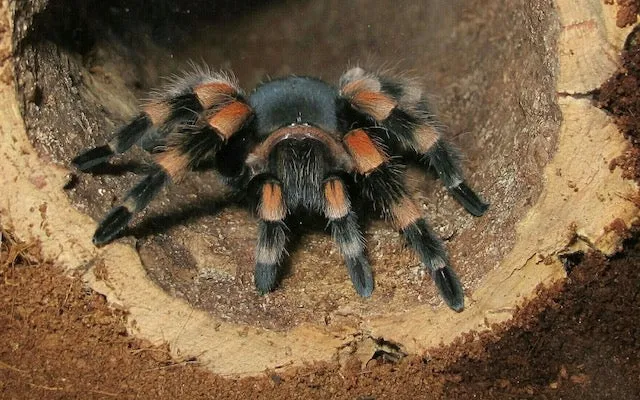
The physical characteristics of tarantulas vary by species, but several traits are common. They have eight legs, two body segments (cephalothorax and abdomen), and chelicerae (fangs) that inject venom. Their bodies are covered in hairs, some of which are urticating hairs, used for defense. The size of tarantulas varies dramatically. Some species have a leg span of only a few inches, while others, like the Goliath birdeater, can reach a leg span of up to 12 inches. Their coloration ranges from browns and blacks to vibrant blues, oranges, and reds, often providing camouflage in their natural habitats. These striking features often contribute to both their allure and the concerns people have about their danger.
Habitat and Distribution

Tarantulas are found in a wide variety of habitats, reflecting their global distribution. They thrive in tropical and subtropical regions, as well as some temperate zones. Their habitats include rainforests, grasslands, deserts, and even mountainous areas. Many species are terrestrial, living in burrows they dig in the ground, while others are arboreal, residing in trees. The specific habitat preferences depend on the species, with factors such as temperature, humidity, and availability of prey playing crucial roles. Their adaptability allows them to thrive in diverse environments, but also influences their interactions with humans, and thus, their potential to be dangerous.
The Tarantula Bite: Is It Dangerous?
The question of whether a tarantula bite is dangerous is complex. While tarantulas possess venom, their bites are generally not considered life-threatening to humans. The severity of a bite can vary depending on the species, the amount of venom injected, and the individual’s sensitivity. Most bites cause only localized pain, redness, and swelling. However, understanding the potential risks is crucial for anyone who encounters these spiders, or is considering keeping them as pets, and thus, knowing the true answer of are tarantulas dangerous.
Venom and Toxicity
Tarantula venom is primarily designed to subdue prey. It contains a mix of enzymes and toxins that affect the nervous system. The venom’s composition varies significantly between species. Although tarantula venom is not highly toxic to humans, it can still cause discomfort. The effects are typically localized, affecting the area around the bite. However, in rare cases, individuals may experience more severe reactions, particularly if they are allergic or have pre-existing health conditions. The overall toxicity level is generally low compared to other venomous creatures.
Symptoms of a Tarantula Bite

The symptoms of a tarantula bite are usually mild. Common symptoms include immediate pain at the bite site, along with redness, swelling, and itching. Some people may experience muscle cramps or spasms. In more severe cases, symptoms may include nausea, vomiting, and dizziness. The severity of the symptoms is influenced by factors such as the species of tarantula, the amount of venom injected, and the individual’s sensitivity. Generally, symptoms subside within a few hours to a day or two. However, if symptoms worsen or if there are signs of an allergic reaction, medical attention should be sought immediately.
First Aid and Treatment
If bitten by a tarantula, the first step is to remain calm. Wash the bite area with soap and water. Apply a cold compress to reduce swelling and pain. Over-the-counter pain relievers, such as ibuprofen or acetaminophen, can help alleviate discomfort. Monitor the bite site for any signs of infection or allergic reaction. If symptoms worsen, or if there are systemic reactions like difficulty breathing or severe swelling, seek immediate medical attention. Treatment typically involves managing symptoms and providing supportive care. Antivenom is rarely required because tarantula venom is usually not highly toxic to humans.
Top 5 Surprising Facts About Tarantula Bites
Fact 1

Most tarantula bites are a result of defensive behavior, not aggression. They are unlikely to bite unless provoked or threatened. The bite is often a last resort, used when the spider feels cornered or perceives a threat. Many tarantulas also have urticating hairs, which can cause irritation upon contact, serving as an alternative defensive mechanism.
Fact 2
The venom of most tarantula species is not highly potent to humans. The effects are generally similar to a bee sting. While the bite can be painful and cause localized symptoms, it is rarely life-threatening. This is due to the nature of their venom, which is primarily designed to subdue invertebrate prey.
Fact 3
Tarantulas do not typically inject a large amount of venom with each bite. They can control the amount of venom they release. They often give a ‘dry bite’ with no venom injected at all. This is more common when the spider is warning off a potential threat, rather than hunting.
Fact 4

Allergic reactions to tarantula bites are rare, but they can occur. People with allergies to insect stings might be more susceptible. Symptoms of an allergic reaction can range from hives and itching to difficulty breathing and anaphylaxis. Prompt medical attention is critical if an allergic reaction is suspected.
Fact 5
Tarantula bites can sometimes lead to secondary infections if the bite site is not properly cared for. Bacteria can enter the wound, causing local infections. Proper wound care, including cleaning the area and monitoring for signs of infection, is crucial to prevent complications. These infections are treatable with antibiotics.
Tarantulas and Humans Risks and Precautions
While tarantulas are generally not highly dangerous, there are risks associated with their presence and interaction with humans. Understanding these risks and taking appropriate precautions is essential. This includes being cautious when encountering tarantulas in the wild and taking care when handling them. The level of risk varies depending on the species, the individual’s sensitivity, and the circumstances of the interaction.
Handling Tarantulas

Handling tarantulas should be done with extreme caution. It is generally not recommended for beginners or anyone without experience. If you must handle a tarantula, it is best to do so over a soft surface, like a bed or a carpet. This minimizes the risk of injury if the spider falls. Avoid sudden movements and be gentle. Always wash your hands before and after handling a tarantula to prevent the transfer of any potential irritants or pathogens. Remember that tarantulas are easily startled, and unexpected movements can provoke a defensive reaction, increasing the chance of a bite or the release of urticating hairs.
Keeping Tarantulas as Pets
Keeping tarantulas as pets requires responsible care and a good understanding of their needs. Provide a suitable enclosure, with appropriate temperature, humidity, and substrate. Feed them a diet of insects, such as crickets and mealworms, and ensure a clean water source. Regular cleaning and maintenance are essential. Research the specific species to learn about its needs, temperament, and potential risks. It’s crucial to understand the potential for bites and allergic reactions. This knowledge helps to mitigate potential dangers and ensures the well-being of both the pet and the owner.
Conclusion
In conclusion, while tarantulas may appear intimidating, their bites are generally not highly dangerous to humans. They possess venom, but the effects are typically localized and mild. Understanding the potential risks, practicing caution, and taking appropriate precautions can minimize the chances of a negative encounter. Whether in the wild or as pets, appreciating their behavior and biology is key to a safe and informed interaction. Always prioritize safety, respect these fascinating creatures, and seek medical attention if you experience any unusual or severe symptoms after a bite, providing a clear answer of are tarantulas dangerous