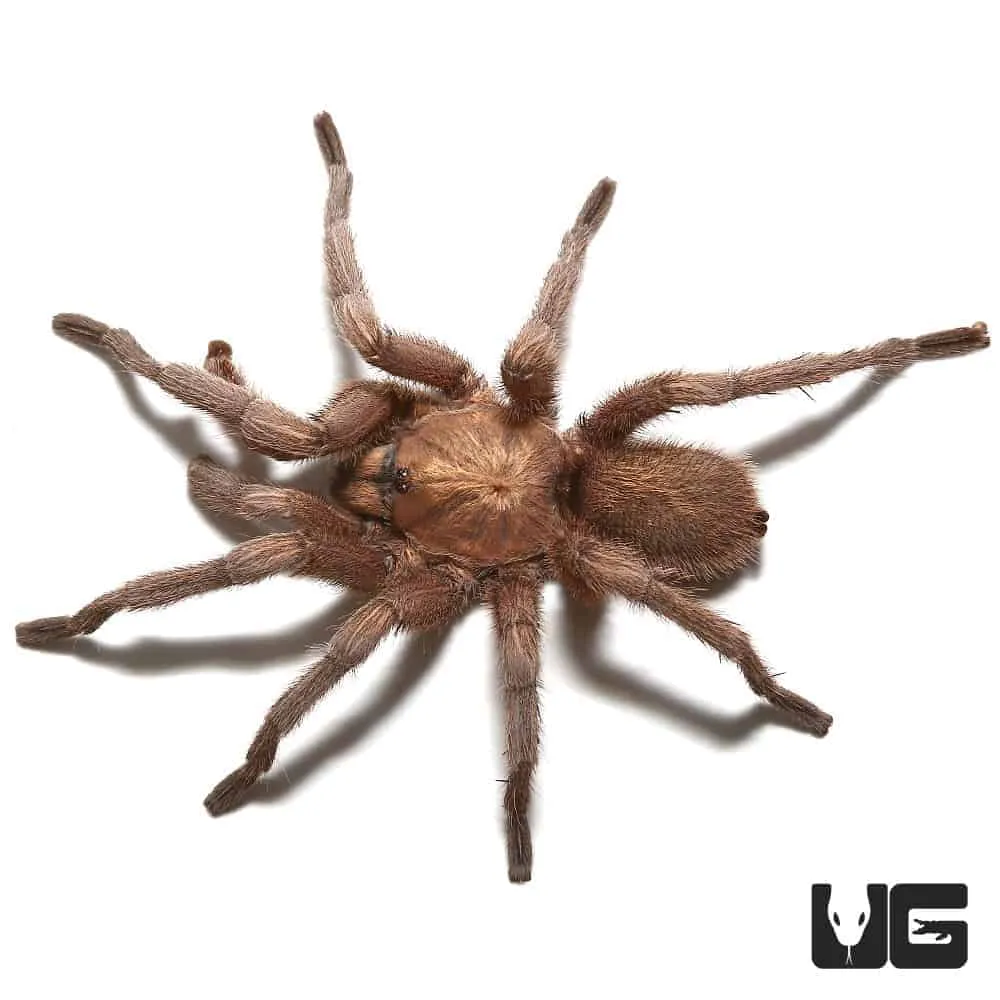
What are Tarantulas?
Tarantulas are large, hairy spiders belonging to the Theraphosidae family. These impressive arachnids are known for their size, with some species having leg spans that can reach over 10 inches. They are found in a variety of habitats around the world, from tropical rainforests to arid deserts. Tarantulas are generally nocturnal hunters, using their fangs to inject venom into their prey. While their bite can be painful, the venom is typically not lethal to humans. These fascinating creatures play a vital role in their ecosystems, controlling insect populations and serving as a food source for other animals. Their diverse characteristics and behaviors make them a subject of great interest for both scientists and enthusiasts. Tarantulas are often kept as pets due to their relatively docile nature and intriguing appearance, but it’s essential to understand their needs to ensure proper care and handling.
Where are Tarantulas Found?
Tarantulas are found in a wide range of habitats across the globe, primarily in tropical and subtropical regions. They thrive in warm climates and are often found in areas with high humidity. The Americas, particularly Central and South America, are home to a diverse array of tarantula species. Additionally, they inhabit parts of Africa, Asia, and Australia. Within these regions, tarantulas can be found in various environments, including rainforests, grasslands, deserts, and even suburban areas. Their adaptability allows them to occupy diverse niches, from burrowing underground to living in trees. The specific habitat of a tarantula species depends on factors such as climate, prey availability, and the presence of suitable shelter. Understanding their habitat preferences is crucial for both conservation efforts and responsible pet ownership.
Tarantulas in Egypt

While not as commonly known as some other wildlife, tarantulas do indeed exist in Egypt. These spiders are adapted to the arid and semi-arid environments of the country, where they have carved out their niche within the local ecosystem. The specific species found in Egypt are typically ground-dwelling tarantulas, which build burrows in the sand or under rocks to provide shelter from the harsh desert conditions. They are nocturnal hunters, emerging from their burrows at night to search for prey. Their diet consists mainly of insects and other invertebrates that inhabit the desert landscape. Their presence contributes to the biodiversity of the region, and they play a role in the food chain. Although sightings are less frequent than in other parts of the world, tarantulas in Egypt are a testament to the resilience and adaptability of life in challenging environments.
Fact 1 Tarantulas Size
One of the most striking features of tarantulas is their size. These spiders can range significantly in size depending on the species. Some of the larger species, like the Goliath birdeater, can have a leg span of over 10 inches, making them among the largest spiders in the world. Even the smaller species are relatively large compared to other spider families. The size of a tarantula is related to factors such as genetics, diet, and the environment in which it lives. Their large size is an adaptation that allows them to effectively hunt larger prey and defend themselves against predators. The size of tarantulas is truly impressive, making them a captivating subject for both wildlife enthusiasts and researchers. This physical characteristic underscores the unique position they hold in the arachnid world.
Fact 2 Tarantula Habits
Tarantulas exhibit a range of interesting habits. Most species are solitary creatures, preferring to live alone in their burrows or shelters. They are primarily nocturnal, meaning they are most active during the night, emerging from their hiding places to hunt. They are ambush predators, often waiting patiently for prey to come within striking distance. Some species are known to be terrestrial, while others are arboreal, living in trees. Tarantulas also engage in molting, a process where they shed their exoskeleton to grow. During molting, they are especially vulnerable. They are also known for their defensive behaviors, such as flicking urticating hairs (tiny, irritating hairs) at perceived threats. Understanding their habits is key to both appreciating and respecting these fascinating creatures.
Fact 3 Tarantulas Feeding
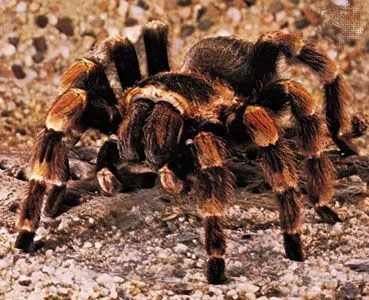
Tarantulas are carnivorous predators, and their diet consists primarily of insects, but it can also include other invertebrates, small lizards, and even small mammals, depending on the size of the tarantula and its prey. They use their fangs to inject venom into their prey, which paralyzes it and begins the digestion process. The tarantula then uses enzymes to break down the prey’s tissues, allowing it to consume the liquefied meal. Tarantulas do not eat every day and can survive for extended periods without food, especially adult specimens. The feeding habits of tarantulas vary based on species and habitat, but their predatory nature is a fundamental aspect of their existence. The efficiency with which they hunt and consume their prey is a testament to their evolutionary adaptations.
Fact 4 Tarantulas Defense Mechanisms
Tarantulas have evolved several defense mechanisms to protect themselves from predators. One common defense is the use of urticating hairs, which are tiny, barbed hairs located on their abdomen. When threatened, they flick these hairs towards the perceived threat, causing irritation and discomfort. They also have powerful fangs and venom that can be used to bite and inject venom into potential attackers. Their large size and hairy bodies can also serve as a deterrent. Some tarantulas can also stridulate, producing a hissing sound by rubbing their legs together, as a warning signal. These defense mechanisms demonstrate the tarantulas’ ability to survive in a world filled with potential dangers.
Fact 5 Tarantula Lifespan
Tarantulas have remarkably long lifespans compared to many other spiders. Female tarantulas typically live much longer than males. Depending on the species, females can live for up to 20-30 years in captivity, while males often live only a few years after reaching maturity. The lifespan of tarantulas is influenced by factors such as genetics, diet, and environmental conditions. Proper care in captivity, including a suitable habitat and diet, can significantly extend their lifespan. This longevity makes tarantulas intriguing creatures, and their long lifespans offer researchers a unique opportunity to study their behavior and life cycle over extended periods.
How to Identify Tarantulas in Egypt

Identifying tarantulas in Egypt requires knowledge of their physical characteristics and habitat. Look for large, hairy spiders, which is a key characteristic of tarantulas. Since most Egyptian tarantulas are ground-dwelling, search in sandy or rocky areas. Consider the size, color, and leg span of the spider to narrow down possible species. Observing the behavior, such as whether the spider is in a burrow or actively hunting, can provide clues. Due to the potential for venomous bites, it’s crucial to maintain a safe distance and avoid direct contact. If you are interested in identifying a specific species, consulting with local experts or using field guides is recommended. Identifying these creatures requires a blend of careful observation, understanding of their habitat, and knowledge of the local species.