Choosing Terrarium Plants for Tarantulas
Creating a thriving terrarium for your tarantula involves more than just a secure enclosure and a reliable food supply. Incorporating live plants significantly enhances the environment, providing numerous benefits for both the tarantula and the keeper. Choosing the right plants is crucial for the overall health and well-being of your eight-legged friend. Not all plants are suitable for a tarantula enclosure; it’s essential to select species that can withstand the specific environmental conditions and are safe for your pet. This guide will explore the best plant choices, care tips, and how to create the perfect terrarium habitat for your tarantula.
Why Plants Are Essential for Tarantula Terrariums
Benefits of Live Plants in a Tarantula Enclosure
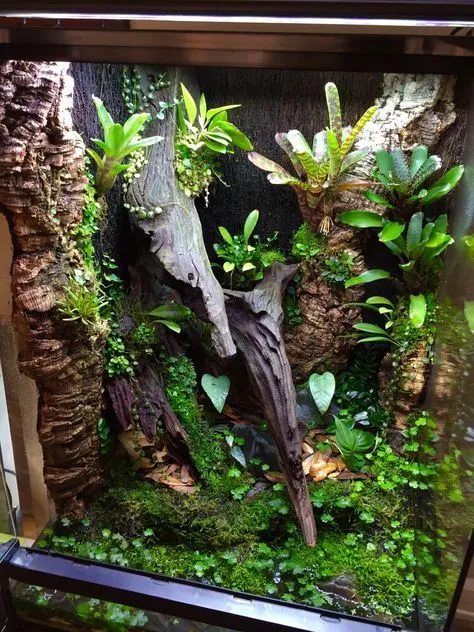
Live plants offer a range of advantages that contribute to a healthier and more enriching environment for your tarantula. They play a vital role in several aspects of the terrarium’s ecosystem, significantly improving the quality of life for your pet. They also provide a more naturalistic look, which is more visually appealing.
Humidity Regulation
Plants contribute significantly to humidity regulation within the terrarium. Through transpiration, they release moisture into the air, which is crucial for tarantulas, particularly during molting. Maintaining the appropriate humidity level is essential for your tarantula’s health and prevents dehydration and molting issues. Plants act as natural humidifiers, helping to stabilize the environment and create a more comfortable habitat.
Naturalistic Environment
Live plants create a more natural and enriching environment that mimics the tarantula’s natural habitat. They provide hiding places, visual interest, and a sense of security for the tarantula. A naturalistic setup can reduce stress and promote more natural behaviors, such as burrowing and exploring. The presence of plants enhances the overall well-being of your pet, making the terrarium a more engaging and stimulating home.
Aesthetic Appeal
A terrarium with live plants is visually more appealing and adds a touch of beauty to your home. The different textures, colors, and shapes of the plants create a dynamic and interesting display. A well-planted terrarium is not only beneficial for the tarantula but also a source of enjoyment for the keeper, making it a rewarding hobby. The added visual appeal can significantly enhance your overall pet-keeping experience, turning the terrarium into a captivating centerpiece.
Top 5 Terrarium Plants for Tarantulas
Selecting the right plants is crucial for a thriving tarantula terrarium. Here are five excellent choices that are safe, easy to care for, and beneficial for your tarantula.
Pothos (Epipremnum aureum)
Pothos is a popular choice due to its hardiness and ability to thrive in a variety of conditions. These plants are excellent at purifying the air and providing visual interest. Pothos can be easily trimmed to fit the size of your terrarium, and its trailing vines offer climbing opportunities for your tarantula. The plant is relatively low maintenance, requiring moderate watering and indirect light. Its resilience makes it an ideal plant for beginners, ensuring a long-lasting and healthy presence in your tarantula’s habitat.
Care and Maintenance for Pothos

Pothos requires moderate watering, allowing the substrate to dry out slightly between waterings. It thrives in indirect light; avoid placing it in direct sunlight, which can scorch the leaves. Regularly trim the vines to maintain the desired size and shape. Ensure the soil is well-draining to prevent root rot, and consider using a substrate that retains some moisture. Regular inspections for pests and diseases are crucial, and any affected leaves should be removed promptly to prevent spread.
Spider Plant (Chlorophytum comosum)
Spider plants are another excellent option, known for their air-purifying qualities and ease of care. They produce small plantlets that can be easily propagated, providing a sustainable source of plants for your terrarium. Spider plants tolerate a range of conditions, including low light, making them suitable for various terrarium setups. Their arching leaves and unique appearance add a visually appealing element to the terrarium. Spider plants contribute to humidity regulation and create a naturalistic environment.
Caring for Spider Plants in a Terrarium
Spider plants prefer moderate watering and well-draining soil. Allow the soil to dry out between waterings to prevent root rot. Provide bright, indirect light, avoiding direct sunlight. Trimming the plantlets helps to maintain the plant’s shape and health. Spider plants are relatively pest-resistant, but regular checks are recommended. Ensure proper ventilation to prevent fungal diseases and maintain optimal growing conditions for both the plant and the tarantula.
Snake Plant (Sansevieria trifasciata)

Snake plants, also known as mother-in-law’s tongue, are incredibly resilient and low-maintenance plants, perfect for tarantula terrariums. They can tolerate low light conditions and infrequent watering, making them ideal for beginners. Snake plants also help purify the air, adding to the overall health of the terrarium environment. Their upright, architectural leaves add a unique visual element to the enclosure and provide a sense of vertical interest for the tarantula.
Considerations for Snake Plants
Snake plants require minimal watering; overwatering can lead to root rot. Allow the soil to dry out completely between waterings. They thrive in indirect light, and although they can tolerate low light, brighter conditions promote better growth. Snake plants are relatively pest-resistant but occasionally can be affected by mealybugs or spider mites, so regular inspections are essential. Ensure the soil is well-draining and choose a substrate that supports plant health without retaining too much moisture.
Bromeliads
Bromeliads are tropical plants that add vibrant colors and unique textures to a tarantula terrarium. Many bromeliad species are epiphytes, meaning they grow on other plants, making them adaptable to terrarium environments. They can provide a stunning visual element, with their colorful bracts and interesting leaf patterns. Bromeliads can also contribute to humidity regulation and create interesting hiding spots. They need proper drainage to prevent rotting.
Choosing the Right Bromeliad

When selecting bromeliads, choose varieties that are compact and not likely to outgrow the terrarium. Ensure the bromeliad is safe for tarantulas, avoiding plants with potentially harmful sap or sharp edges. Consider the light and humidity requirements of the specific bromeliad species, ensuring they match the conditions of your terrarium. Regularly monitor the plant for pests or diseases and provide appropriate care to maintain its health and beauty. Consider the size and shape of the bromeliad to complement the terrarium’s overall design.
Prayer Plant (Maranta leuconeura)
Prayer plants are known for their unique leaf movements, which fold up at night and open during the day, resembling praying hands. This adds a dynamic and visually appealing element to your tarantula’s terrarium. They thrive in high humidity and indirect light, making them suitable for most tarantula enclosures. Prayer plants provide a splash of color with their patterned leaves and are relatively easy to maintain. They also contribute to humidity and create a naturalistic look, promoting a healthy environment for your tarantula.
Prayer Plant Care in Terrariums
Prayer plants require high humidity and moist soil. Regular misting and proper ventilation are essential to prevent fungal diseases. Provide bright, indirect light, avoiding direct sunlight. Trim any yellowing leaves to maintain the plant’s health and appearance. Regular checks for pests, such as spider mites, are recommended. Ensure the substrate is well-draining yet retains enough moisture to support the plant’s needs.
Creating the Perfect Terrarium Environment

Creating a suitable environment for your tarantula involves several factors, including proper substrate, lighting, and humidity. This section offers guidelines to help you build the ideal terrarium for your pet.
Substrate Selection
The substrate is the foundation of the terrarium and plays a crucial role in maintaining humidity and supporting plant growth. Choose a substrate that retains moisture while providing good drainage. Popular options include a mix of coco coir, sphagnum moss, and peat moss. These materials help retain humidity, are safe for tarantulas, and provide a suitable medium for plant roots. Always ensure the substrate is free of chemicals and pesticides that could harm your tarantula.
Lighting Requirements
The right lighting is essential for plant growth and overall terrarium health. Most terrarium plants require bright, indirect light. Avoid placing the terrarium in direct sunlight, which can overheat the enclosure and scorch the plants. LED grow lights can be beneficial, providing the correct spectrum for plant growth without generating excessive heat. Monitor the plants’ growth and adjust the lighting as needed, ensuring they receive the appropriate amount of light for optimal health. Place the light source strategically to avoid overexposure.
Watering and Humidity

Proper watering and humidity control are crucial for both the plants and the tarantula. The substrate should be kept consistently moist but not waterlogged. Use a spray bottle to mist the plants and the enclosure regularly, especially in drier environments. Monitor the humidity levels using a hygrometer and adjust the watering and ventilation accordingly. A well-ventilated terrarium prevents mold growth, but proper humidity levels are critical for molting.
Planting and Placement Tips
When planting, consider the size and growth habits of each plant. Place taller plants in the back and smaller plants in the front to create visual depth. Ensure the plants are securely rooted in the substrate and do not pose a risk to the tarantula. Provide adequate space between plants to allow for airflow and prevent overcrowding. Consider the natural behavior of the tarantula when placing plants, offering hiding places and climbing opportunities. The goal is to create a visually appealing and functional environment that enriches the tarantula’s life.
Maintaining Your Terrarium
Maintaining a tarantula terrarium requires regular care and attention to ensure the health and well-being of both the plants and the tarantula. Regular inspections and prompt interventions are essential.
Regular Inspections and Maintenance
Regularly inspect the terrarium for signs of pests, diseases, or unhealthy plants. Remove any dead or decaying leaves promptly. Check the substrate moisture levels and adjust watering accordingly. Clean the enclosure regularly, removing any uneaten food or waste. Ensure the ventilation is adequate to prevent mold and maintain the appropriate humidity level. Regular maintenance ensures the terrarium environment remains safe and healthy for your tarantula.
Dealing with Pests and Diseases
Pests and diseases can affect both the plants and the tarantula. Common pests include spider mites, mealybugs, and fungus gnats. Isolate any infested plants and treat them with an appropriate, tarantula-safe pesticide. Preventative measures include ensuring good ventilation, avoiding overwatering, and inspecting new plants before introducing them to the terrarium. Addressing problems quickly will protect both your tarantula and your plants.
Conclusion
Incorporating plants into your tarantula terrarium not only enhances its aesthetic appeal but also creates a healthier and more stimulating environment for your pet. By choosing the right plants, providing proper care, and maintaining the terrarium regularly, you can create a thriving ecosystem that benefits both the tarantula and the keeper. Following these guidelines will contribute to a long and happy life for your tarantula, allowing you to enjoy the fascinating world of these amazing arachnids.