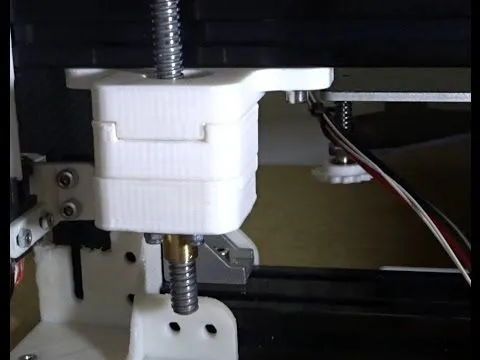
The Tevo Tarantula is a popular 3D printer known for its affordability and ease of use. A critical component of this printer, and indeed any 3D printer, is the stepper motor. These motors are responsible for precise movements, controlling the printer’s axes (X, Y, Z, and extruder) and allowing it to build objects layer by layer. Understanding the Tevo Tarantula stepper motor specs is essential for anyone looking to maintain, upgrade, or troubleshoot their printer. This guide provides a comprehensive overview of these specifications and their significance.
What is a Stepper Motor
A stepper motor is a brushless, synchronous electric motor that divides a full rotation into a number of equal steps. Unlike standard DC motors, stepper motors can be precisely controlled, moving in discrete steps. This precision is achieved through the use of electromagnets. By energizing the electromagnets in a specific sequence, the motor’s rotor (the moving part) rotates in small, controlled increments. Stepper motors are chosen for applications demanding precise positioning, speed control, and repeatability. In 3D printers, this precision is paramount for accurate printing.
How Stepper Motors Work
Stepper motors operate on the principle of electromagnetism. They typically have a rotor made of a permanent magnet or a toothed iron core and a stator with multiple electromagnetic coils. The motor’s controller energizes the coils in a specific sequence, creating a rotating magnetic field. This field interacts with the rotor, causing it to align with the field. By changing the sequence of energized coils, the magnetic field rotates, and the rotor follows, stepping through its rotation. The resolution of a stepper motor (the number of steps per revolution) determines the precision of its movements. The Tevo Tarantula, like most 3D printers, uses stepper motors to control its movements. (stepper-motor-diagram)
Tevo Tarantula Stepper Motor Specs Top 5 Facts

Knowing the specifications of the stepper motors in your Tevo Tarantula can help you diagnose issues, choose replacement parts, and optimize your printer’s performance. Here are five key specifications to understand, which can assist in better understanding the printer’s behavior and potential upgrades.
Fact 1 Motor Type
The Tevo Tarantula typically uses NEMA 17 stepper motors. NEMA 17 refers to the motor’s faceplate size, specifically 1.7 inches by 1.7 inches (42mm x 42mm). This standard ensures compatibility with various 3D printer components. The motor type is critical because it defines the physical size and mounting characteristics. If you need to replace a motor, you must ensure the replacement motor is also a NEMA 17 motor, or you may have to modify the mounting hardware. The motor type directly impacts the motor’s ability to fit into the printer’s frame and connect to the drive system. (tevo-tarantula-motor-type)
Fact 2 Step Angle
The step angle defines how far the motor rotates for each step. Common step angles are 1.8 degrees (200 steps per revolution) and 0.9 degrees (400 steps per revolution). The Tevo Tarantula typically uses 1.8-degree stepper motors. A smaller step angle means greater precision but often results in reduced speed. This step angle is critical for the precision of the printer. The 3D printer’s firmware and drivers use the step angle to calculate the movements of the axes. A misconfigured step angle will lead to inaccuracies in your prints. If you replace your motors, make sure the new motors use the same step angle or reconfigure your printer’s firmware. (step-angle-explanation)
Fact 3 Holding Torque

Holding torque is the maximum torque the motor can provide when stationary. It’s a measure of the motor’s ability to resist external forces. Higher holding torque is generally better, as it allows the motor to hold its position more firmly and handle larger loads. The holding torque is expressed in ounce-inches (oz-in) or Newton-meters (Nm). The Tevo Tarantula’s stepper motors have varying holding torque depending on the specific motor used. Make sure to choose motors with a holding torque appropriate for your needs, especially when upgrading to heavier components or printing at higher speeds. (holding-torque-illustration)
Fact 4 Voltage
Stepper motors have a rated voltage, which is the voltage at which they are designed to operate optimally. The Tevo Tarantula’s stepper motors typically operate at 12V or 24V, depending on the printer’s power supply and the specific motors installed. Operating a motor at a voltage outside its specified range can affect its performance, efficiency, and lifespan. The voltage of the motor is a critical specification to consider when replacing motors or upgrading the printer’s electronics. Check the motor’s specifications and the printer’s power supply to ensure compatibility. (voltage-stepper-motor)
Fact 5 Current
The current rating of a stepper motor specifies the maximum current the motor can handle. The Tevo Tarantula stepper motors typically have a current rating of around 1.7A or 2A per phase. The printer’s stepper motor drivers control the current supplied to the motors. Exceeding the current rating can damage the motors or the drivers. The current rating is essential for the driver’s configuration. When upgrading the motors, confirm that your driver can supply the correct current. (current-stepper-motor)
Where to Find Tevo Tarantula Stepper Motor Specs

The specifications of your Tevo Tarantula’s stepper motors can be found in several places. The most reliable source is often the motor itself. Look for a label on the motor that lists its specifications, including the motor type, step angle, voltage, and current. Additional resources include the Tevo Tarantula’s documentation, the manufacturer’s website, and online forums where users share information and experiences. Always verify the specs to ensure compatibility and avoid damaging the components.
Why Stepper Motor Specs Matter
Understanding stepper motor specs is essential for optimizing your Tevo Tarantula’s performance, troubleshooting problems, and making informed decisions about upgrades. Incorrect settings can lead to poor print quality, layer shifting, and motor failure. Knowledge of these specifications helps in diagnosing issues related to your 3D prints. Whether you want to improve print quality or enhance the speed and reliability of your prints, understanding these specifications is the first step.
Troubleshooting Common Stepper Motor Issues
Several issues can arise from faulty stepper motors or incorrect settings. Common problems include the motor skipping steps, making loud noises, or the printer failing to move the axes correctly. Troubleshooting these issues often involves checking the motor connections, verifying the motor drivers’ settings, and ensuring the motor’s current and voltage are correctly configured. If you’re experiencing problems, comparing your printer’s setup with the specifications is an excellent starting point for identifying the root cause. (3d-printer-troubleshooting)
Improving Stepper Motor Performance

You can improve your Tevo Tarantula’s stepper motor performance by adjusting settings and upgrading components. Ensuring your drivers are properly configured, and the motors receive the correct voltage and current can improve performance. Upgrading to higher-quality stepper motors with a higher holding torque can increase precision and stability, especially when printing with heavier materials or at higher speeds. Fine-tuning the printer’s firmware settings and utilizing active cooling for the motors can further optimize their performance and lifespan.
In conclusion, understanding the Tevo Tarantula stepper motor specs is crucial for ensuring your 3D printer operates efficiently and produces high-quality prints. By focusing on the motor type, step angle, holding torque, voltage, and current, users can diagnose issues, perform upgrades, and optimize their printer’s performance. This knowledge equips you to maintain, troubleshoot, and enhance your 3D printing experience. Proper knowledge ensures smooth and efficient operation of the Tevo Tarantula 3D printer, allowing for better and more reliable prints.