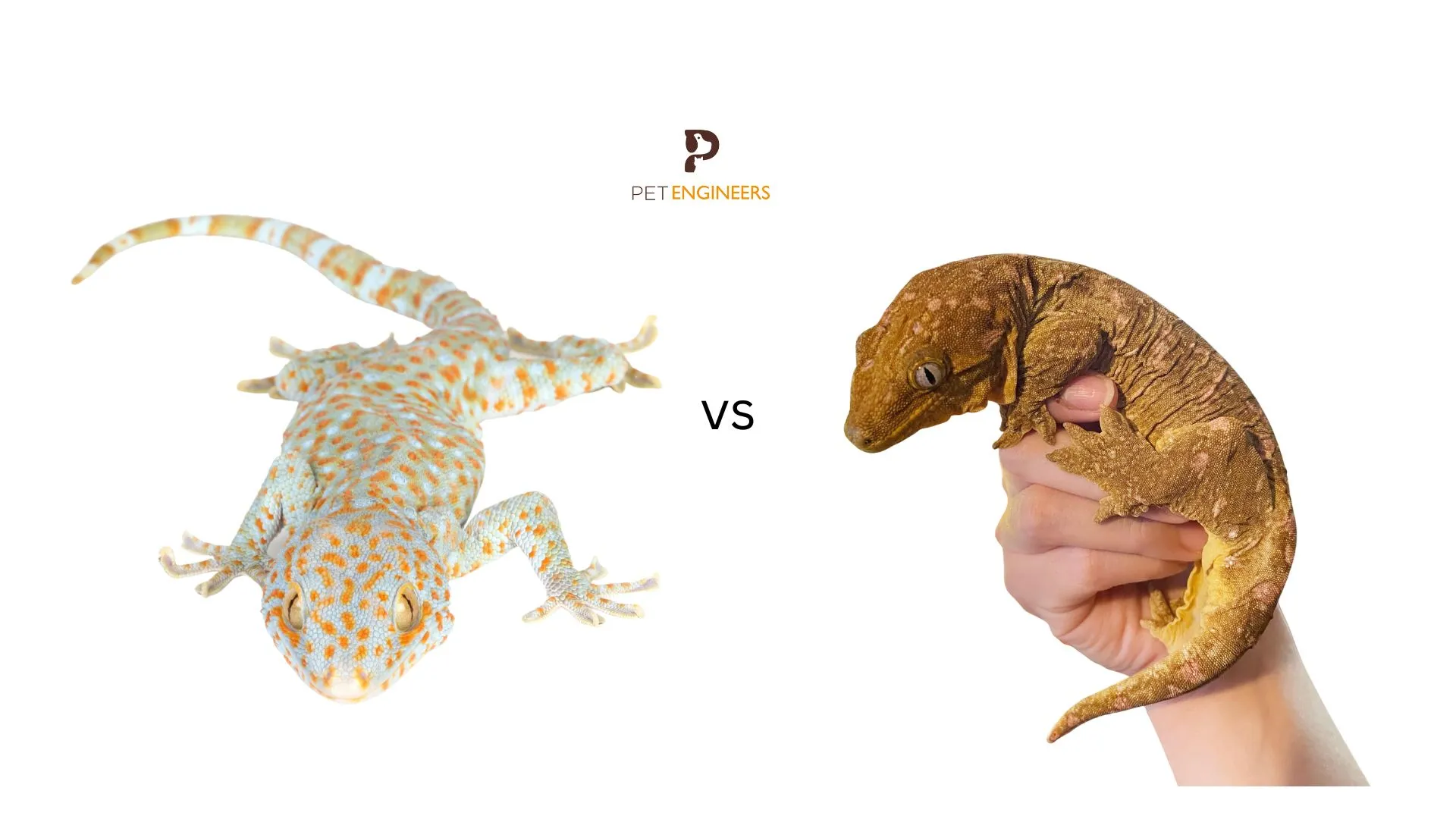
Tokay Gecko vs Tarantula A Clash of Titans
The natural world is full of unexpected battles, and few are as intriguing as the potential showdown between a Tokay gecko and a tarantula. These two creatures, each a formidable predator in its own right, inhabit different niches but sometimes share similar environments, raising the question of which would emerge victorious in a direct confrontation. This article delves into the physical characteristics, behaviors, and environmental factors that would likely determine the outcome of this epic clash of titans. We will explore the strengths and weaknesses of each creature, analyzing their hunting strategies, defensive capabilities, and the conditions that might tip the scales in their favor. Prepare to journey into the fascinating world of these creatures and discover which one would likely win the fight.
Physical Characteristics Tokay Gecko
The Tokay gecko (Gekko gecko) is a large gecko species native to Southeast Asia. Known for its distinctive call that sounds like “to-kay,” this reptile possesses several physical attributes that contribute to its survival in the wild. Understanding these characteristics is crucial to assessing its chances against a tarantula. These geckos are not just creatures of the night but possess unique features and adaptations that make them a force to be reckoned with in their habitat, and will be highlighted in the next sections.
Size and Appearance

Tokay geckos typically range from 7 to 14 inches in length, making them one of the larger gecko species. Their robust build gives them a powerful appearance, with strong limbs and sharp claws that allow them to cling to various surfaces. Their coloration is striking, with a mottled pattern of grey, blue, and orange, providing excellent camouflage in their natural habitat. Their large eyes, adapted for nocturnal vision, and a powerful jaw further enhance their predatory capabilities. These features help the gecko to be agile and successful in its hunting activities, and are very important to understanding its strength.
Defensive Mechanisms
When threatened, the Tokay gecko has several defensive mechanisms at its disposal. Its bite is powerful, capable of inflicting a painful wound, and it will not hesitate to use it if it feels cornered. Additionally, like many lizards, they can detach their tail (autotomy) to escape a predator, distracting the attacker while they make their escape. The gecko’s ability to cling to surfaces with its specialized toe pads allows it to maneuver quickly and avoid capture. Furthermore, their coloration provides them with effective camouflage, making them difficult to spot in their environment, and allowing for potential ambush tactics.
Physical Characteristics Tarantula
Tarantulas are large, hairy spiders belonging to the Theraphosidae family. Found in various habitats around the world, these arachnids are formidable predators with a range of physical characteristics that make them well-suited to their lifestyle. Understanding their build, along with their defensive mechanisms is key to assessing a potential fight. They are also very successful predators, with various hunting strategies.
Size and Appearance

Tarantulas can vary significantly in size depending on the species, with some reaching a leg span of over 10 inches. They have a segmented body consisting of a cephalothorax and abdomen, covered in dense hairs that provide sensory input and aid in defense. Their eight legs are strong and adapted for both walking and climbing, while their chelicerae, or fangs, are large and used to inject venom into prey. Their coloration varies widely, from earthy browns and blacks to vibrant blues and oranges, often providing camouflage within their environments. The size of the tarantula is very important, because in the animal kingdom, the bigger one usually has a bigger advantage.
Defensive Mechanisms
Tarantulas employ several defensive strategies to protect themselves. Their primary defense is their venom, which they inject through their fangs to paralyze or kill prey. Many species also possess urticating hairs on their abdomen, which they can flick towards threats, causing irritation and deterring potential predators. They are also capable of delivering a painful bite if provoked. Their hairy bodies can also make them appear larger, further discouraging attackers. These defensive methods have made the tarantula a very successful predator, being very feared by insects and even some small vertebrates.
Habitat and Behavior
Understanding the habitats and behaviors of both the Tokay gecko and the tarantula is crucial to understanding a potential encounter. Both species have specific environmental needs and hunting strategies that influence their interactions with other creatures. The environment plays a critical role in the outcome of any potential battle, as it can provide advantages or disadvantages to each animal.
Tokay Gecko Habitat and Hunting

Tokay geckos are primarily found in the tropical rainforests and rocky areas of Southeast Asia. They are nocturnal creatures, spending the day hidden in crevices, under tree bark, or in other sheltered locations. At night, they emerge to hunt, using their strong jaws and adhesive toe pads to capture insects, small vertebrates, and even other geckos. They are ambush predators, waiting patiently for prey to come within range before launching a swift attack. Their agility, powerful bite, and ability to climb nearly any surface make them highly successful hunters in their environment.
Tarantula Habitat and Hunting
Tarantulas inhabit a wide range of environments, from deserts and grasslands to rainforests. Many species are terrestrial, living in burrows, while others are arboreal, residing in trees. They are ambush predators, often waiting patiently for prey to come within reach. Tarantulas primarily feed on insects, but larger species will also consume small vertebrates such as lizards, mice, and birds. Their venom is used to immobilize prey, and their strong chelicerae help them crush and consume their meals. Their patience and hunting skills are very important for their survival, helping them to overcome prey in most instances.
The Confrontation Tokay Gecko vs Tarantula
A potential confrontation between a Tokay gecko and a tarantula would be a dynamic and unpredictable event, marked by swift movements, tactical maneuvers, and intense struggles. The outcome would depend on a variety of factors, and we can only speculate on the probable events of such a fight. Here’s a detailed look at how such a confrontation might unfold, including initial encounters, offensive strategies, and defensive tactics each animal might employ. The environment and the characteristics of each animal will be the deciding factor in the end.
Initial Encounter

The initial encounter would likely be a surprise, as both creatures are ambush predators. The encounter could happen while the gecko is hunting, or when the tarantula is resting or trying to hunt. The tarantula, often hidden in its burrow or under cover, might detect the gecko through vibrations or other sensory inputs. The gecko, with its excellent eyesight, might spot the tarantula first. The element of surprise would be a key factor, potentially giving the first attacker an advantage, because in the wild, any advantage helps. The size difference will also be very important, as we will discuss later.
Offensive Strategies
The Tokay gecko’s primary offensive weapon is its powerful bite. It would likely attempt to seize the tarantula, aiming for the legs or body to disable it. Its strong jaws and sharp teeth could inflict significant damage. The tarantula’s offensive strategy would be to use its venom to immobilize the gecko, using its fangs to deliver a potent dose. The tarantula might also attempt to flick its urticating hairs towards the gecko, aiming to irritate its skin and eyes. This is often a very important factor for its success, but the bite will be very important too. The key to victory is a well-placed attack.
Defensive Tactics
The Tokay gecko’s defensive tactics would include biting back, attempting to escape, or using its camouflage to blend into its surroundings. The tarantula would use its fangs and venom to defend itself. The gecko’s ability to detach its tail could serve as a distraction, allowing it to escape or reposition itself. The tarantula’s hairy body might offer some protection against the gecko’s bite, while its venom could provide a decisive advantage if delivered successfully. Both creatures will be fighting to defend themselves from a potentially deadly foe.
Factors Influencing Outcome

Several factors would heavily influence the outcome of a fight between a Tokay gecko and a tarantula. These include size and age, which determine strength and effectiveness; as well as environmental conditions, which can provide a decisive advantage to one of the combatants. The environment will dictate the survival of either creature, and should be taken into consideration when predicting the winner.
Size and Age
The size and age of both animals would play a crucial role. A larger, more mature Tokay gecko would have a stronger bite and greater physical strength. A larger tarantula, on the other hand, would possess more potent venom and potentially be able to overpower the gecko with its size and the use of its chelicerae. The age of the animals would also be a factor, because older individuals are generally more experienced hunters and fighters. The size difference is often the most important factor, because in the animal kingdom, bigger usually wins.
Environmental Conditions
Environmental conditions, such as the terrain and available cover, could also influence the outcome. The fight will take place in their natural habitat, so the gecko might benefit from its ability to climb and maneuver on vertical surfaces, while the tarantula might have an advantage in a burrow or a space with ample cover. Temperature and humidity levels could also affect the performance of both creatures, with extreme conditions potentially favoring one over the other. The environment will be very important to determine the victory.
The Verdict Who Wins

Predicting the winner of a Tokay gecko versus tarantula fight is challenging, because it depends on many factors. While both animals have strengths, certain factors make it more likely that one would prevail over the other. Both creatures have adapted to their environments, but not necessarily to fight each other. The prediction will need to consider all factors previously mentioned. It is important to consider the likelihood of the encounter, because both have their own ways of living, but it is good to consider the possibility.
Analyzing the Potential Winner
Given the information, it is likely that a larger, mature tarantula would have the edge in a direct confrontation. The tarantula’s venom is a significant weapon, capable of quickly incapacitating its opponent. Also, the size difference, with some tarantulas being significantly larger than even the largest Tokay geckos, could provide a physical advantage. However, a very large and aggressive Tokay gecko could potentially inflict a fatal bite before the tarantula delivers its venom. But the odds would favor the spider, because it has a better chance of survival and of using its venom.
Final Thoughts
The battle between a Tokay gecko and a tarantula is a fascinating thought experiment. While the outcome would be unpredictable, it is highly likely the tarantula would be the winner of the fight. These are two creatures with specific capabilities that allow them to hunt and thrive. The outcome of such a fight underscores the complexity and diversity of the natural world, where survival depends on physical adaptations, behavioral strategies, and environmental factors. While it is difficult to predict the outcome, the tarantula would likely win, because of the venom. These animals must be respected, and the fight will be one of survival. The tarantula has the odds in its favor.