UK Tarantula Breeders Top 7 Secrets
Bringing a tarantula into your home is an exciting experience. However, successfully keeping these fascinating creatures requires knowledge, dedication, and a responsible approach. UK tarantula breeders, both amateur and professional, share a wealth of information, and understanding these secrets is crucial for the well-being of your eight-legged friend. This guide uncovers seven key secrets to help you on your journey of tarantula ownership. Whether you’re a beginner or have some experience, this article will provide insights to ensure your tarantula thrives.
Secret 1 The Importance of Research
Before acquiring a tarantula, extensive research is paramount. Understanding the specific needs of your chosen species is the foundation for successful tarantula keeping. This includes their natural habitat, diet, temperament, and specific environmental requirements. Proper research minimizes the risk of providing inadequate care, which can lead to health problems and a shortened lifespan for your tarantula. UK breeders will often stress the importance of this initial step, as it sets the stage for all other aspects of tarantula care.
Understanding Tarantula Species

Tarantulas vary greatly. Some are terrestrial, others arboreal; some are docile, others defensive. Researching species-specific needs is the key. For example, a desert species needs a dry environment, while a tropical species requires high humidity. Different species also have different dietary needs. Familiarize yourself with your chosen species’ origin, behaviour, and any special requirements to ensure a healthy and happy tarantula. Many online resources and experienced UK breeders can provide valuable insights into different tarantula species.
Checking the Breeder’s Reputation
Choosing a reputable breeder is as crucial as knowing about the species. Look for breeders with positive reviews, who are knowledgeable, and who prioritize the health of their tarantulas. Ask about their breeding practices, the lineage of the tarantula, and any health guarantees. A good breeder will be happy to answer your questions and provide advice on care. Check online forums, social media, and reptile communities for breeder recommendations. Always be wary of breeders who seem evasive or unwilling to share information.
Secret 2 Proper Enclosure Setup
The enclosure is a tarantula’s home, so creating a suitable habitat is essential. The size, substrate, decor, and overall environment must meet the tarantula’s specific needs. This includes appropriate ventilation and a secure lid to prevent escape. A well-designed enclosure provides the tarantula with everything it needs to thrive, reduces stress, and allows you to observe its behaviour and health. Many UK breeders have extensive experience with enclosure setup and are often happy to offer advice.
Choosing the Right Enclosure Size

The size of the enclosure depends on the species and the size of the tarantula. A general rule is to provide an enclosure that is at least three times the tarantula’s leg span in width. The height is also important, especially for arboreal species, which need height to climb. Overly large enclosures can make it difficult for the tarantula to find food, while enclosures that are too small can lead to stress. When in doubt, consult with an experienced UK breeder or a reputable online resource for specific guidance.
Substrate and Decor Considerations
The substrate provides a comfortable environment and helps regulate humidity. Appropriate choices include coco fibre, peat moss, or a mix of both. The depth of the substrate should be sufficient for burrowing species. Decor, such as cork bark, fake plants, and water dishes, enhances the environment and provides hiding places. Make sure any decor is safe and non-toxic, and that the water dish is shallow enough to prevent drowning. A natural-looking enclosure is not only visually appealing but also beneficial for the tarantula’s well-being. Many UK breeders use specific decor to mimic natural tarantula habitats.
Secret 3 Humidity and Temperature Control
Maintaining the correct humidity and temperature is critical for a tarantula’s health. These factors impact the tarantula’s ability to molt, eat, and live comfortably. Incorrect humidity or temperature can lead to problems such as dehydration, respiratory issues, and failed molts. Using the correct equipment and monitoring the levels regularly ensures a healthy environment for your tarantula. A reliable hygrometer and thermometer are essential tools, and UK breeders will typically advise on the best placement to get accurate readings.
Monitoring Humidity Levels

Humidity levels vary depending on the species. Most tropical species require a humidity level between 70% and 80%, while desert species need much lower levels. Monitor humidity with a hygrometer, and adjust the humidity by misting the enclosure with water or providing a water dish. Make sure there’s adequate ventilation to prevent mold growth. Over-misting can be as dangerous as not providing enough humidity. Humidity is directly linked to successful molting, a crucial process in a tarantula’s life. UK breeders often have specific recommendations for humidity control depending on your chosen species.
Maintaining Optimal Temperature
Temperature also varies depending on the species. Most tarantulas thrive at temperatures between 21°C and 29°C (70°F and 85°F). Use a thermometer to monitor the temperature in the enclosure. Avoid placing the enclosure in direct sunlight or near heat sources that could overheat the habitat. In cooler climates, you might need a heat mat or ceramic heat emitter, but always ensure the heat source is properly regulated to avoid burns. Stable temperatures are essential for the tarantula’s metabolism, and UK breeders are experts at providing adequate heating.
Secret 4 Feeding Your Tarantula
Feeding is a critical aspect of tarantula care. Provide a balanced diet of appropriately sized insects. Overfeeding and underfeeding can both negatively impact the tarantula’s health. The frequency of feeding and the type of food depend on the tarantula’s age, species, and size. Careful monitoring and understanding your tarantula’s eating habits are essential. UK breeders are experienced in guiding their clients on appropriate diets and feeding schedules, crucial for a healthy tarantula.
Choosing the Right Food

The most common food source is insects, such as crickets, mealworms, and roaches. Choose insects that are smaller than the tarantula’s body. Avoid feeding wild-caught insects, as they may carry parasites or pesticides. Always gut-load insects before feeding them to your tarantula, which involves feeding the insects nutritious food before offering them to your pet. This improves the nutritional value. The right food keeps tarantulas healthy. Consult UK breeders about the best insect types.
Feeding Frequency and Amounts
Young tarantulas need to be fed more frequently than adults. A spiderling might need feeding two or three times a week, while adult tarantulas can be fed once a week or even less frequently. Remove any uneaten food within 24 hours to prevent mold growth. Observe your tarantula’s abdomen; a plump abdomen indicates a well-fed tarantula. Refusal to eat may indicate that the tarantula is about to molt. Each species has its own specific eating habits; therefore, consultation with UK breeders is the best approach.
Secret 5 Handling with Care
While tarantulas are generally not aggressive, handling them can be risky. Their bite can be painful, and they can also flick urticating hairs, causing skin irritation. Handling should be kept to a minimum. If you do handle your tarantula, approach it with caution. Understand the tarantula’s temperament, and always respect its space. Learn the signs of stress, such as raised front legs or a defensive posture. Following these guidelines minimizes the risks associated with handling. Many UK breeders recommend minimal handling unless absolutely necessary.
Understanding Tarantula Temperaments

Tarantula temperaments vary greatly by species. Some are docile and tolerate handling, while others are skittish and defensive. Research the specific temperament of your species. Some tarantulas may hide, while others are bold and visible. Learn to read the tarantula’s body language; this enables you to anticipate its behaviour and minimize the risk of a bite or defensive reaction. Always respect the spider’s nature and individual behaviour patterns, as advised by UK breeders.
Safe Handling Practices
If you must handle your tarantula, do so over a soft surface in case it falls. Never grab or restrain the tarantula; allow it to walk onto your hand. Keep your movements slow and deliberate. If the tarantula shows signs of stress or defensiveness, gently place it back into its enclosure. Wash your hands thoroughly after handling. Ensure you have the appropriate safety equipment, and follow all handling advice given by UK breeders and experts.
Secret 6 Recognizing and Handling Molting
Molting is a natural and essential process in a tarantula’s life. During molting, the tarantula sheds its exoskeleton. This process allows it to grow and replace damaged parts. Knowing how to recognize molting signs and providing proper support is crucial for the tarantula’s survival and well-being. Incorrect handling during molting can be fatal. The ability to prepare the enclosure and the tarantula’s environment is the primary objective. UK breeders are well-versed in molting and can guide you on this process.
Identifying Molting Signs
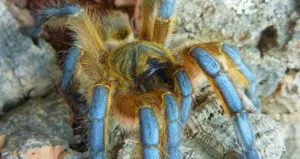
Before molting, the tarantula may become lethargic and stop eating. Its abdomen may appear darker. The tarantula might also spend more time on its back. The skin may look stretched and thin, especially around the legs and abdomen. The tarantula may also seal itself off in its burrow or webbing. If you notice these signs, leave the tarantula undisturbed. Observe from a distance, and be patient. Avoid disturbing the tarantula during this vulnerable period. UK breeders have seen these signs many times and can offer advice.
Supporting Your Tarantula During Molting
Maintain the correct humidity levels during molting. Do not feed the tarantula. Avoid disturbing the tarantula while it is molting, and do not handle it. After molting, the tarantula’s new exoskeleton will be soft. The tarantula will need time to harden. The tarantula may not eat for several days after molting. Provide fresh water. After the new exoskeleton has hardened, offer food. Consult your UK breeder for any additional advice.
Secret 7 Finding Reputable UK Breeders
Finding a reputable UK breeder is essential for acquiring a healthy tarantula. Responsible breeders prioritize the well-being of their tarantulas and are knowledgeable about their care. Reputable breeders are often active in the community and are happy to provide information and advice. Building a good relationship with a reliable breeder can make a significant difference in your success as a tarantula keeper. Seeking recommendations from experienced keepers is valuable.
Online Forums and Communities
Online forums and social media groups dedicated to tarantulas are valuable resources. They provide a platform for sharing information, asking questions, and connecting with breeders. Seek out UK-based communities. Look for groups with active members who are experienced tarantula keepers. These forums often have sections for breeder recommendations and reviews. Join these communities to learn and network with knowledgeable people in the hobby. The best UK breeders are often well-known in these groups.
Local Reptile Shows
Local reptile shows and expos are excellent places to meet breeders and see tarantulas in person. These events offer a chance to speak with breeders face-to-face, see their tarantulas, and assess their practices. You can often purchase tarantulas at these shows. Ask questions about the breeder’s experience, and observe their interactions with the animals. This is a great opportunity to get a feel for their approach. Many of the best UK breeders regularly attend these shows.
In conclusion, keeping tarantulas requires dedication and responsible care. By understanding the secrets revealed in this guide, you can provide your tarantula with the best possible environment. Prioritizing research, creating a suitable enclosure, controlling humidity and temperature, feeding correctly, handling with care, and knowing about molting are all crucial for tarantula keeping. Finding a reputable UK breeder provides valuable support and guidance. By following these steps, you can enjoy the unique experience of owning a tarantula for many years to come.