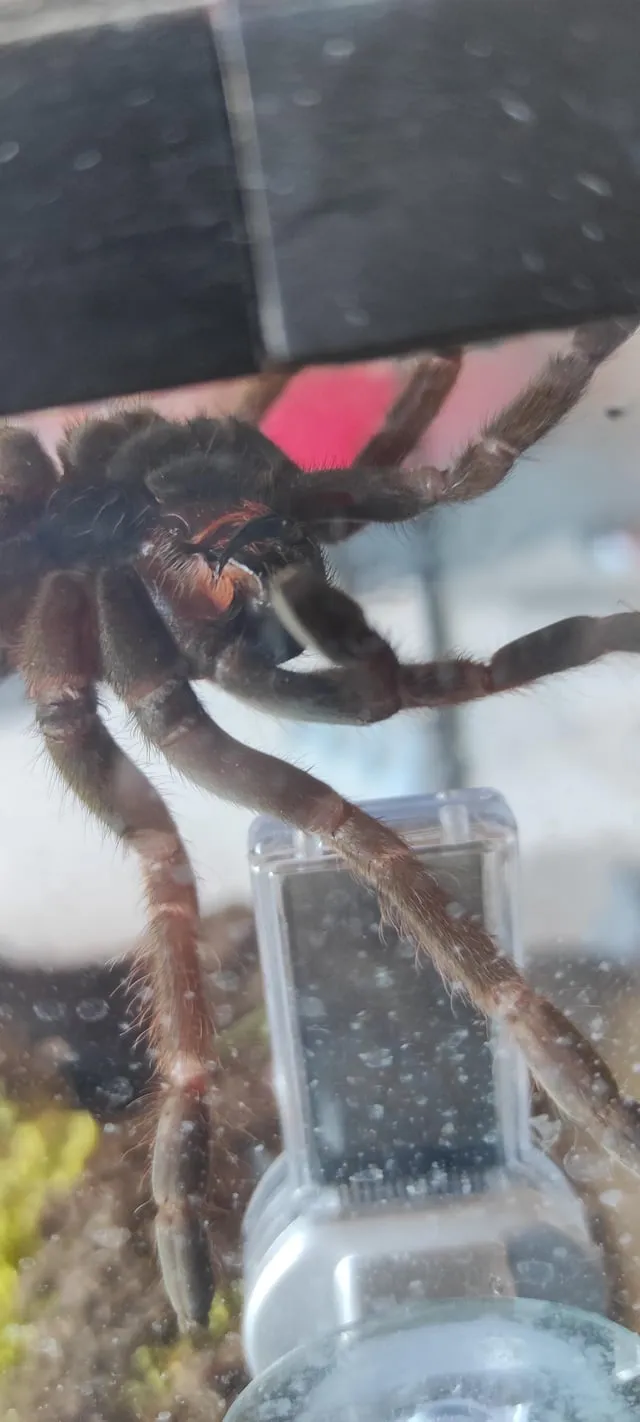
Understanding the Vagans Tarantula Sling
The Vagans tarantula, scientifically known as Aphonopelma vagans, is a popular choice among tarantula enthusiasts. Their relatively docile temperament and striking appearance make them appealing. A “sling” refers to a juvenile tarantula, typically in its early stages of development. Caring for a vagans tarantula sling differs from caring for an adult, as their needs are more specific due to their smaller size and vulnerability. Providing the right environment and care during this stage is crucial for the sling’s healthy growth and development into a thriving adult tarantula. Understanding these initial requirements is the foundation of successful tarantula keeping. This guide offers essential tips for ensuring your vagans tarantula sling thrives.
Habitat and Housing Requirements
Setting up the appropriate habitat is paramount for your vagans tarantula sling’s well-being. A well-designed enclosure provides security, regulates environmental conditions, and promotes healthy development. The size and structure of the enclosure are critical factors influencing the sling’s safety and comfort. The enclosure should be escape-proof and allow for easy access for feeding and maintenance. Proper housing ensures the sling feels secure and thrives in a stable environment. The right habitat is more than just a container; it is a mini-ecosystem designed to meet the tarantula’s specific needs.
Selecting the Right Enclosure

For a vagans tarantula sling, a small, clear plastic container or a deli cup with ventilation holes is ideal. The enclosure should be at least three times the tarantula’s leg span in width and length. This allows for movement and exploration. Ensure the enclosure has a secure lid to prevent escapes. The use of clear containers allows for easy observation of the tarantula without disturbing it. As the sling grows, the enclosure should be upgraded accordingly to prevent any risk. The size of the enclosure has a direct impact on the tarantula’s stress levels and overall health.
Substrate and Decor
The substrate, or bedding, is a key element in the tarantula’s enclosure. For vagans tarantula slings, a substrate that retains moisture and allows for burrowing is essential. A mix of peat moss, vermiculite, and a little bit of coconut fiber is recommended. The substrate should be deep enough for the sling to burrow if it chooses. Include a small hide, such as a piece of cork bark or a half-hollowed-out coconut shell, to provide a sense of security. A shallow water dish with fresh water should be provided. Avoid using gravel or anything that could be harmful or sharp.
Maintaining Humidity and Temperature
Vagans tarantulas thrive in a moderately humid environment. Maintain a humidity level of 60-70% by misting the enclosure lightly with water every few days. Avoid over-misting, which can lead to mold growth. Place the enclosure in a location with a stable temperature, ideally between 75-80°F (24-27°C). Avoid direct sunlight or placing the enclosure near a heat source that could overheat it. Regular monitoring with a hygrometer and thermometer is essential for maintaining the correct environmental conditions. Consistent temperature and humidity are crucial for the tarantula’s well-being.
Feeding Your Vagans Tarantula Sling

Feeding is a critical aspect of caring for a vagans tarantula sling. Slings have high metabolic rates and require regular feeding to support their rapid growth. Providing the right food and the correct feeding frequency will make all the difference in your sling’s development. It’s important to strike a balance between adequate nutrition and avoiding overfeeding, which can lead to health problems. Understanding the dietary needs of your sling is essential to its healthy development into an adult.
Choosing the Right Food
The primary diet for vagans tarantula slings consists of appropriately sized insects. Flightless fruit flies, pinhead crickets, or small mealworms are suitable choices. Ensure that the insects are smaller than the tarantula’s body, as they will have difficulty overpowering prey. Dust the insects with calcium and vitamin supplements to ensure your sling gets the necessary nutrients. It is important to offer a variety of insect types to provide a balanced diet. Avoid feeding wild-caught insects, as they may carry parasites or be exposed to pesticides that can harm your sling.
Feeding Frequency and Amounts
Feed your vagans tarantula sling 2-3 times per week, or as often as it will consume the food. Remove any uneaten insects within 24 hours to prevent the sling from getting stressed. Slings may refuse to eat before molting, which is normal. Observe your sling’s abdomen; a plump abdomen indicates a well-fed tarantula. Adjust the feeding frequency based on the sling’s appetite and growth rate. Overfeeding can lead to health problems, while underfeeding can stunt the growth.
Watering and Hydration

Provide a shallow water dish with fresh, clean water at all times. Ensure that the water dish is small enough to prevent the sling from drowning. You can also mist the enclosure lightly every few days to increase humidity and provide water droplets for the sling to drink. The water should be changed at least once or twice a week to prevent bacteria growth. Ensure the water source is accessible and safe, as hydration is essential for the sling’s health and molting process.
Handling and Safety Precautions
While vagans tarantulas are relatively docile, handling slings should be done with caution. Their small size and delicate bodies make them vulnerable. Always prioritize the safety of both the tarantula and yourself when interacting with your sling. The venom of vagans is not considered lethal to humans, but a bite can be painful. It is best to minimize handling and observe the sling in its enclosure. Handling should be done only when necessary, and with utmost care.
Safe Handling Practices
If you must handle your vagans tarantula sling, do so close to the ground or a soft surface to prevent injury from a fall. Use a soft brush to gently coax the tarantula onto your hand. Avoid sudden movements or loud noises, which can startle the sling. Always wash your hands before and after handling to prevent the transmission of oils or chemicals. Avoid handling after feeding or before molting, when the tarantula is more vulnerable. Handle slings as little as possible to minimize stress.
Recognizing Stress Signals

Recognizing signs of stress is essential for the well-being of your vagans tarantula sling. Some common stress signals include the tarantula flicking hairs off its abdomen (urticating hairs), a defensive posture with its fangs bared, or rapid movements. A stressed tarantula might also retreat to its hide and refuse to eat. If you observe any of these behaviors, immediately stop handling the tarantula and make adjustments to its enclosure or care routine to reduce stress. Providing a secure environment is crucial for the health of your sling.
Molting and Growth
Molting is a natural and essential process for tarantulas, allowing them to shed their exoskeleton and grow. Vagans tarantula slings molt frequently, as they develop quickly during their juvenile stages. Understanding the molting process and providing the right conditions can ensure the sling’s safe and successful development. The frequency of molting decreases as the tarantula matures. The entire process can take a few hours up to a few days.
Recognizing the Molting Process
Before molting, your vagans tarantula sling may become less active and may stop eating. The abdomen may appear darker and swollen. The tarantula might also create a web mat in its enclosure. The tarantula will often flip onto its back during the molting process. Do not disturb the tarantula during molting, as this can be a stressful and vulnerable time. Observe from a distance and make sure the enclosure conditions are optimal.
Post-Molting Care

After molting, the tarantula’s exoskeleton is soft. Wait several days (usually a week or more for slings) before offering food, allowing the tarantula’s new exoskeleton to harden. Provide fresh water and maintain appropriate humidity levels. The newly molted tarantula may have brighter colors and appear more vibrant. Avoid handling the tarantula during this period, as its fangs and exoskeleton are still soft and vulnerable. Watch out for any signs of problems, such as a deformed molt.
Common Health Issues and Solutions
While vagans tarantulas are relatively hardy, slings can be susceptible to certain health issues. Recognizing these problems early and taking prompt action can help prevent serious complications. Maintaining a clean and appropriate environment is crucial for preventing illnesses. Regular observation and proper care will contribute to the long-term health and happiness of your sling. Being proactive can save the sling a lot of issues.
Preventing Parasites and Diseases
Parasites and diseases are rare in well-cared-for tarantulas. However, you should ensure the enclosure is kept clean to avoid issues. Regularly remove any uneaten food and clean the enclosure. Use a substrate that doesn’t encourage mold or bacteria. Preventative measures include quarantining new tarantulas before introducing them to an existing collection. The insects offered should come from a reputable source to prevent the transmission of parasites. Maintaining a clean environment and proper sanitation is the most crucial factor in preventing diseases.
Recognizing Common Problems
Some common problems include mites, fungal infections, and difficulty molting. Mites can be identified by small, moving dots on the tarantula or in the enclosure; treat with mite-killing products designed for arachnids. Fungal infections may appear as discolored patches on the tarantula’s body; adjust humidity and ventilation levels to treat. Difficulty molting can be caused by low humidity or other issues. If your sling struggles to molt, consult a veterinarian specializing in exotic animals. Early detection and treatment will improve the chances of a positive outcome.
Conclusion
Caring for a vagans tarantula sling is a rewarding experience. By following these top 5 care tips, you can ensure your sling thrives and grows into a healthy adult. Remember to provide an appropriate habitat, proper feeding, safe handling, and a clean environment. Regular observation, attention to detail, and a proactive approach to health issues are essential for success. With the right knowledge and dedication, you can enjoy the fascinating world of tarantula keeping and witness the remarkable development of your vagans tarantula sling. Your sling will be a source of joy and fascination for years to come.