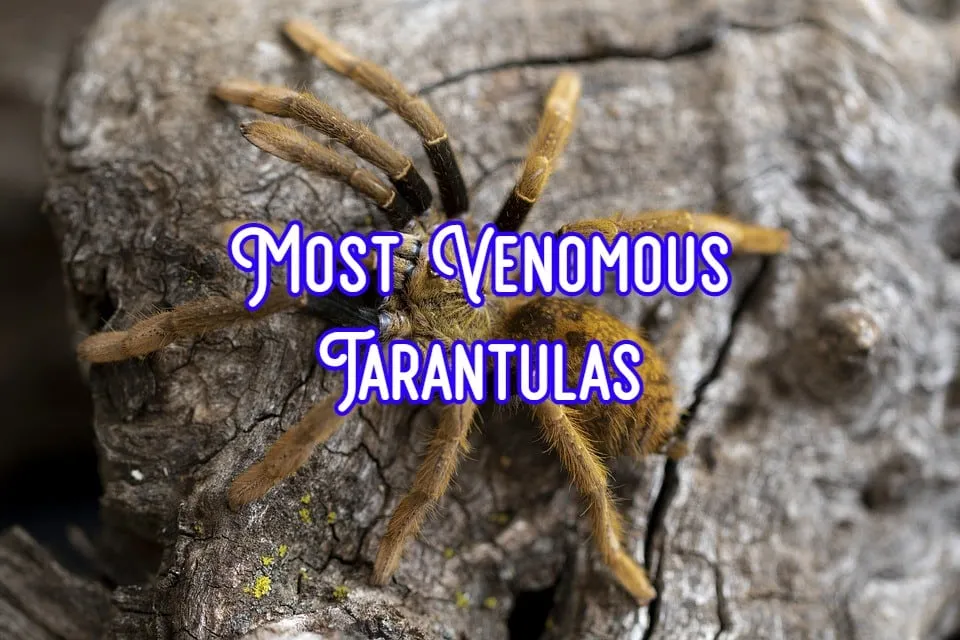
Tarantulas, with their imposing size and hairy legs, often evoke a sense of fear and fascination. While most tarantulas are not considered deadly to humans, some species possess potent venom. Understanding the nature of this venom, the species that wield it most effectively, and how to respond to a bite is essential. This article dives into 5 critical facts about venomous tarantulas, offering insights to both arachnid enthusiasts and those with a natural apprehension towards these eight-legged creatures. Knowing more about these creatures can help you appreciate them and also to stay safe.
What Makes a Tarantula Venomous?
Venom in tarantulas is a complex cocktail of toxins injected through their fangs. This venom serves multiple purposes, including subduing prey and defending against predators. The potency and composition of the venom can vary significantly depending on the species, environmental factors, and even the age of the tarantula. It’s crucial to remember that the term “venomous” refers to the ability to inject toxins, while the level of danger depends on the specific components of the venom and the individual’s reaction to it.
Venom Composition and Effects
Tarantula venom comprises various compounds, each affecting the body differently. These compounds can cause a range of symptoms, from localized pain and swelling to more severe systemic effects. The specific effects are often a result of the types and concentrations of these compounds. Understanding the key components of the venom is a significant key to comprehending its impact. Studying the composition also aids in developing effective treatments.
Neurotoxins in Tarantula Venom

Neurotoxins are a primary component of many tarantula venoms, impacting the nervous system. These toxins can disrupt nerve function, leading to paralysis, muscle cramps, and in extreme cases, respiratory distress. The effects of neurotoxins can vary greatly depending on the specific neurotoxin and the amount injected. These neurotoxins are essential for subduing prey quickly, but they also pose a risk to larger animals, including humans.
Cytotoxins and Hemotoxins
Cytotoxins and hemotoxins are other components of tarantula venom that target cells and blood, respectively. Cytotoxins can cause tissue damage and inflammation at the bite site. Hemotoxins interfere with blood clotting, leading to excessive bleeding. The presence and concentration of these toxins vary among different species, contributing to the range of effects observed after a bite.
The Most Venomous Tarantula Species
Identifying the most venomous tarantula species can be complex, as venom potency and effects can vary. However, some species are known for their potent venom and the significant reactions they can cause. These species are often found in specific regions and require careful handling. It’s vital to recognize these tarantulas to avoid potential health risks.
1. The Brazilian Wandering Spider

The Brazilian Wandering Spider, though not a tarantula, is often mistaken for one due to its size and fearsome reputation. Known for its aggressive behavior and potent venom, this spider is considered one of the most dangerous in the world. Bites from this species can cause intense pain, muscle cramps, and other systemic symptoms. While the Brazilian Wandering Spider is not a tarantula, it’s important to know this for comparison.
Venom and Behavior
The Brazilian Wandering Spider is known for its wandering behavior, often found in homes and shoes, increasing the chance of bites. The venom contains a complex mixture of toxins, affecting the nervous system and causing significant pain and physiological effects. These spiders are highly aggressive when threatened, making encounters potentially dangerous.
2. The Goliath Birdeater
The Goliath Birdeater is one of the largest tarantula species, but its venom is not considered highly dangerous to humans. The bite is often painful due to the size of the fangs, but the venom generally causes localized symptoms like pain, swelling, and redness. However, due to its size and defensive behavior, handling this tarantula requires caution.
Venom and Size

Despite its imposing size, the Goliath Birdeater’s venom is not as potent as some other species. The primary danger comes from its large fangs, which can deliver a deep and painful bite. The size of the tarantula can also be intimidating, making it crucial to handle this species with care and respect. Its size also means it can inject a larger volume of venom compared to smaller species.
3. The Tiger Tarantula
The Tiger Tarantula is known for its aggressive nature and relatively potent venom. Bites from this species can cause significant pain, muscle cramps, and other systemic effects. They are found in specific habitats and should be treated with respect. Their defense mechanisms, including biting and flicking urticating hairs, can cause considerable discomfort.
Venom and Habitat
The Tiger Tarantula’s habitat influences its behavior and defensive strategies. These tarantulas are often found in burrows and are very defensive when threatened. The environmental conditions and the availability of prey also influence the composition of the venom, affecting its potency. It is very important to be aware of the habitat when encountering this tarantula.
4. The Cobalt Blue Tarantula

The Cobalt Blue Tarantula is known for its vibrant coloration and defensive behavior. While not among the most venomous, their bite can be painful, and their venom may cause localized symptoms. The species’ quick movements and tendency to bite when provoked make it essential to handle them with caution.
Venom and Coloration
The bright blue coloration serves as a warning signal to potential predators. The venom, while not highly potent, can cause significant local pain and discomfort. Being aware of their striking coloration can help in quickly identifying the species. The beauty of these spiders should not diminish the need to treat them with respect.
5. The King Baboon Spider
The King Baboon Spider is known for its defensive behavior and potent venom. Bites can be quite painful and cause various systemic symptoms. Their distinctive appearance and defensive posture make them easily recognizable. Always exercise caution when handling or encountering this species.
Venom and Defensive Mechanisms

King Baboon Spiders are known to be very defensive and will readily bite when threatened. The venom can cause intense pain and various systemic reactions. Their primary defense mechanisms include a bite and urticating hairs. It’s very important to be aware of their behavior and defensive capabilities.
First Aid and Treatment for Tarantula Bites
If bitten by a tarantula, it’s essential to know the proper first aid steps. Prompt and appropriate action can help to minimize the effects of the venom and prevent complications. In cases of severe symptoms or uncertainty, it is important to seek immediate medical attention.
Immediate Actions to Take
The first step is to remain calm and move away from the tarantula. Clean the bite area with soap and water. Apply a cold compress to reduce pain and swelling. Monitor the symptoms closely for any signs of an allergic reaction or severe reactions. Seek medical attention if the symptoms worsen or if you experience difficulty breathing.
Medical Treatments

Medical professionals may provide supportive care to manage symptoms. This can include pain relief, antihistamines for allergic reactions, and, in severe cases, hospitalization for monitoring and treatment. There is no specific antivenom for most tarantula bites; treatment focuses on managing the symptoms and supporting the patient.
Prevention of Tarantula Bites
Preventing tarantula bites involves understanding the risks associated with these creatures and taking appropriate precautions. Awareness of their habitats and safe handling practices are critical. By understanding the potential dangers and being proactive, you can minimize the risk of being bitten.
Habitat Awareness
Knowing where tarantulas live can help you avoid encounters. Many species are found in burrows, under rocks, or in other sheltered locations. When hiking or exploring areas known to have tarantulas, be careful and avoid putting your hands or feet in places you cannot see. Being aware of their habitats can significantly reduce the chances of being bitten.
Handling Precautions

If you handle tarantulas, do so with extreme caution. Always wear gloves and use tools to handle the tarantula safely. Avoid sudden movements and be aware of the spider’s defensive posture. Never provoke the tarantula. When handling any venomous animal, it is important to understand the risk and prepare accordingly, taking all necessary precautions to protect yourself.
Conclusion
Tarantulas, while fascinating creatures, deserve respect. Understanding the venom, identifying the most dangerous species, and knowing how to respond to a bite are crucial for both enthusiasts and those who encounter these spiders. Knowledge and caution are the best tools when dealing with venomous animals. By following safety guidelines and being aware of their venom, you can appreciate these creatures while minimizing potential risks. The information in this article can help you enjoy these amazing animals with peace of mind.