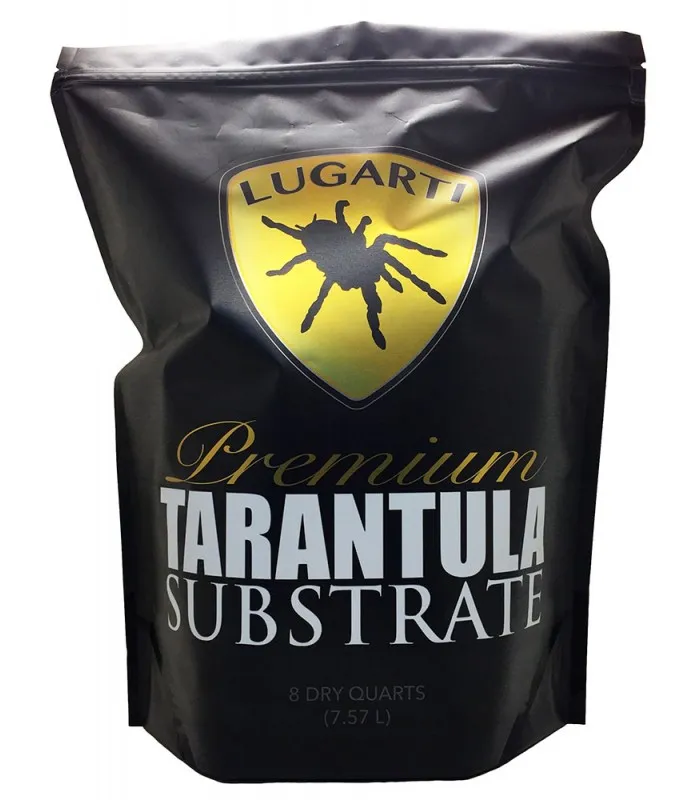
What is Vermiculite Tarantula Substrate?
Vermiculite is a naturally occurring mineral composed of hydrated magnesium aluminum silicate. When exposed to heat, it expands into lightweight, absorbent flakes. This unique characteristic makes vermiculite a popular choice as a substrate material for various applications, including gardening and, importantly, creating ideal habitats for tarantulas. Its ability to retain moisture, provide aeration, and regulate temperature makes it an excellent choice for these fascinating arachnids. Choosing the right substrate is critical for the health and well-being of your tarantula, and understanding the properties of vermiculite is the first step in providing the best possible environment.
The Composition of Vermiculite
Vermiculite’s composition is key to its effectiveness as a tarantula substrate. The mineral’s layered structure allows it to absorb significant amounts of water, acting like a sponge. This property is crucial for maintaining proper humidity levels within the enclosure, essential for the tarantula’s health and molting process. The silicate structure also contributes to its inert nature, meaning it doesn’t readily react with other substances, making it safe for use with sensitive creatures. The specific composition can vary slightly depending on the source, but the fundamental properties of moisture retention, aeration, and temperature regulation remain consistent.
Vermiculite’s Role in Tarantula Habitats

In the tarantula’s habitat, vermiculite plays a vital role beyond just providing a surface to walk on. It acts as a humidity regulator, absorbing and releasing moisture to keep the environment at the correct level. This is particularly important for species that require higher humidity, such as those from tropical regions. The substrate also provides a medium for the tarantula to burrow, providing a sense of security and allowing them to create their own microclimate within the enclosure. Furthermore, it helps with waste management and contributes to the overall cleanliness of the habitat, making it an essential component of a healthy and thriving environment for your pet tarantula.
Top 5 Benefits of Vermiculite Tarantula Substrate
Choosing the right substrate is crucial for the well-being of your tarantula. Vermiculite offers several advantages that make it a top choice for tarantula keepers. From maintaining optimal humidity levels to providing a safe and stable environment, its benefits are numerous. Understanding these benefits is key to providing the best possible care for your pet, ensuring they live a long, healthy, and stress-free life. This section delves into the top 5 advantages of using vermiculite as a substrate, highlighting why it’s a preferred choice among experienced tarantula enthusiasts.
Benefit 1 Enhanced Moisture Retention
One of the primary advantages of vermiculite is its exceptional ability to retain moisture. This is particularly critical for tarantulas, especially those from humid environments. The substrate acts as a reservoir, slowly releasing moisture into the enclosure and helping to maintain the desired humidity levels. This constant release prevents the environment from becoming too dry, which can lead to health problems such as difficulties in molting. Its ability to absorb and release moisture makes vermiculite a superior choice compared to substrates that dry out quickly, offering a stable and consistent humidity level essential for a tarantula’s well-being. This feature is one of the most valuable aspects of using vermiculite for tarantula care.
Impact on Humidity Levels

The impact on humidity levels is a direct result of vermiculite’s moisture-retaining capabilities. By absorbing excess moisture and releasing it gradually, vermiculite helps to stabilize the humidity within the enclosure. This is crucial for preventing both dehydration and overly humid conditions, which can lead to mold growth. Proper humidity control supports healthy molting, prevents respiratory issues, and ensures your tarantula’s overall comfort. Regularly monitoring humidity levels and adjusting ventilation as needed ensures vermiculite’s effectiveness in providing the ideal environment. Using a hygrometer is recommended for accurate readings.
Benefit 2 Improved Aeration and Ventilation
Vermiculite’s structure also promotes excellent aeration within the substrate. The flakes create small air pockets, allowing for better air circulation. This is vital for preventing the growth of mold and mildew, which can be detrimental to the tarantula’s health. Aeration helps to maintain a fresh and clean environment, reducing the risk of respiratory infections and other problems. This is a significant advantage over denser substrates that can compact and restrict airflow. Good ventilation is a key factor in creating a healthy habitat, and vermiculite contributes significantly to this aspect.
Preventing Mold and Mildew
The improved aeration provided by vermiculite significantly reduces the risk of mold and mildew growth. These fungi thrive in humid, stagnant environments, and the air pockets created by vermiculite help to combat this. Proper ventilation, coupled with vermiculite’s properties, keeps the substrate dry enough to inhibit fungal growth while maintaining the necessary humidity for the tarantula. Regular spot cleaning and proper ventilation are essential to further prevent mold issues and maintain a healthy environment. This proactive approach ensures the substrate remains safe and hygienic for your pet.
Benefit 3 Safe and Non-Toxic

Vermiculite is naturally safe and non-toxic for tarantulas. It does not contain harmful chemicals or substances that could pose a risk to your pet. This is a critical consideration when choosing a substrate, as tarantulas are sensitive creatures. Unlike some alternatives, vermiculite does not readily break down or release harmful particles. Its inert nature ensures that it won’t react with any waste products or chemicals in the enclosure, providing a clean and safe environment. Choosing a non-toxic substrate like vermiculite is a fundamental aspect of responsible tarantula care.
Why Vermiculite is Preferred
Many tarantula keepers prefer vermiculite because of its safety and reliability. Its natural composition and lack of harmful additives make it a trustworthy choice for creating a healthy habitat. The peace of mind that comes with knowing your pet is living in a safe and non-toxic environment is invaluable. Furthermore, its moisture-retaining and aeration properties offer added benefits that contribute to the overall well-being of the tarantula. For both novice and experienced keepers, vermiculite’s ease of use and proven effectiveness make it a preferred substrate option.
Benefit 4 Temperature Regulation
Vermiculite helps regulate the temperature within the tarantula enclosure. Its porous structure allows for a more even distribution of heat, preventing hot spots and ensuring a consistent temperature throughout the habitat. This is particularly important for maintaining the optimal temperature range needed for tarantulas to thrive. While not a primary heating source, it helps to moderate temperature fluctuations, creating a more stable environment. This temperature regulation ability is another advantage that contributes to vermiculite’s overall suitability as a substrate.
Maintaining Optimal Temperatures

To maintain optimal temperatures, it’s often used in conjunction with other methods like heat mats or lamps. The vermiculite helps to distribute the heat evenly, preventing localized overheating. Regular monitoring with a thermometer is crucial to ensure that the temperature remains within the ideal range for the tarantula species. Avoiding extreme temperature variations is critical for your tarantula’s health and well-being, making vermiculite a helpful tool in achieving this goal. Proper temperature regulation is crucial for your tarantula’s health, and vermiculite can help to maintain the ideal environment.
Benefit 5 Natural and Sustainable
Vermiculite is a natural mineral, making it an environmentally friendly choice for tarantula substrates. Its extraction process has a lower environmental impact compared to some synthetic alternatives. This is appealing for those who prioritize sustainable practices in their pet care routines. Using vermiculite aligns with a commitment to responsible pet ownership and supports a more eco-conscious approach to animal husbandry. Choosing natural materials helps reduce the environmental footprint associated with pet care. Many keepers appreciate the eco-friendly aspect of vermiculite.
Environmental Considerations
When considering the environmental impact of pet care products, vermiculite stands out as a responsible choice. The mining and processing of vermiculite generally have a lower impact than the production of synthetic materials. Furthermore, vermiculite is biodegradable, meaning it will naturally break down over time, unlike some other substrate options. Choosing vermiculite can be part of a broader effort to minimize the ecological footprint associated with keeping tarantulas, aligning with the growing interest in sustainable and environmentally friendly practices.
How to Prepare and Use Vermiculite Substrate

Preparing and using vermiculite substrate is a straightforward process. First, ensure you have high-quality, horticultural-grade vermiculite. Rinse it gently to remove any dust or impurities. Next, consider the specific needs of your tarantula species. Some species prefer slightly drier conditions, while others thrive in more humid environments. The depth of the substrate will vary depending on the size of the tarantula and its burrowing habits. Aim for a depth that allows them to burrow comfortably. Regularly monitor the substrate’s moisture level and adjust as needed to maintain the ideal humidity for your tarantula.
Mixing Vermiculite with Other Substrates
Vermiculite can be mixed with other substrates to create a custom blend tailored to the needs of your tarantula. Common combinations include mixing vermiculite with coconut fiber (coco coir) to provide additional moisture retention and drainage. Adding a small amount of peat moss can help to acidify the substrate, which can be beneficial for certain species. Experiment with different ratios to find the ideal blend for your specific tarantula, always prioritizing its health and comfort. When mixing, ensure all components are clean and free of contaminants before introducing them to the enclosure. It is important to find a substrate that supports burrowing.
Maintaining Vermiculite Substrate
Maintaining vermiculite substrate involves regular monitoring and care to ensure it remains effective and safe for your tarantula. Regularly check the moisture levels, adjusting as needed by adding water or allowing it to dry out slightly. Remove any waste or uneaten food promptly to prevent mold growth. Spot clean the substrate as needed and replace the entire substrate periodically. Proper maintenance ensures the long-term effectiveness of vermiculite in providing a healthy environment for your pet tarantula.
Regular Monitoring

Regular monitoring is key to successful vermiculite substrate management. Check the substrate’s moisture level regularly, aiming for the appropriate humidity level for your tarantula’s species. Look for signs of mold or mildew, and address any issues immediately. Observe your tarantula’s behavior, looking for any indications that the environment isn’t optimal, such as restlessness or difficulty molting. Use a hygrometer to accurately measure humidity and make adjustments as needed. Through diligent monitoring, you can ensure that the vermiculite substrate is consistently providing the best environment for your pet.
When to Replace the Substrate
Over time, vermiculite substrate will need to be replaced. The frequency of replacement depends on factors such as the size of the enclosure, the number of tarantulas housed, and the rate of waste accumulation. As a general guideline, it is recommended to replace the substrate every 6-12 months. If you observe persistent mold growth, significant buildup of waste, or a noticeable decrease in the substrate’s moisture-retaining ability, it’s time for a change. Replacing the substrate ensures that your tarantula continues to have a clean and healthy environment.