What Tarantulas Eat
Tarantulas, with their captivating appearance and intriguing behaviors, have become popular pets and subjects of fascination. One of the most crucial aspects of tarantula care is understanding their dietary needs. These arachnids are primarily carnivores, and their diet in the wild and in captivity significantly impacts their health, growth, and overall well-being. This article delves into the top 5 facts about what tarantulas eat, offering valuable insights into their feeding habits and nutritional requirements. Knowing these facts will help you provide the best possible care for your tarantula, ensuring it thrives in your care.
Fact 1 Insects
Insects form the cornerstone of a tarantula’s diet. In the wild, tarantulas are opportunistic hunters, preying on various insects that are readily available in their habitat. Crickets, mealworms, and cockroaches are among the most common insects that tarantulas consume. These insects provide essential nutrients such as protein, which is vital for their growth, especially during their molting phases. The size and nutritional content of the insects you offer will directly influence the health and vitality of your tarantula. Therefore, offering a varied selection of insects can provide a well-balanced diet, ensuring your pet receives a wide range of necessary nutrients.
Types of Insects

When it comes to choosing insects for your tarantula, variety is key. Different types of insects offer varied nutritional profiles. Crickets are a good source of protein, while mealworms provide healthy fats. Cockroaches, particularly dubia roaches, are also popular due to their high protein content and ease of digestion. Other options include grasshoppers and locusts, which can provide a diverse range of nutrients. Always ensure that the insects you offer are gut-loaded, meaning they have been fed a nutritious diet themselves before being offered to your tarantula. This practice enhances the nutritional value of the insects, benefiting your tarantula’s health.
Size Matters
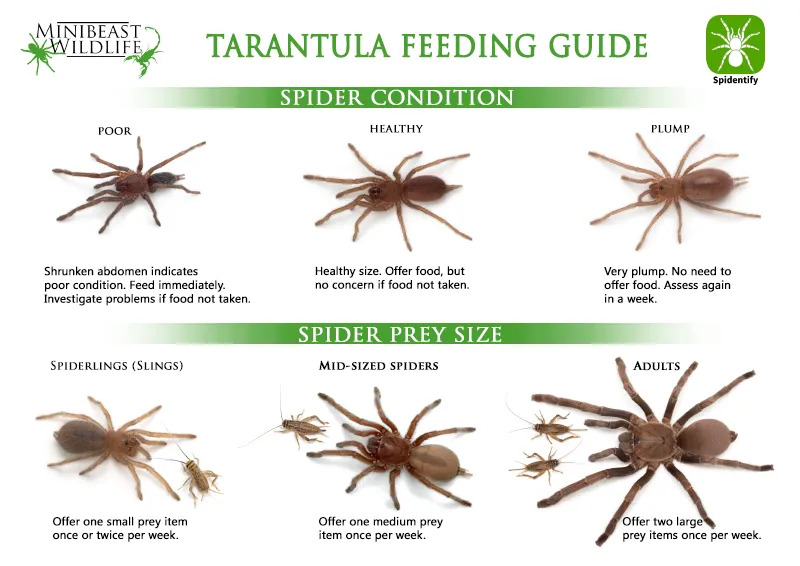
The size of the insects you feed your tarantula should be appropriate for its size. As a general rule, the insect should be no larger than the tarantula’s abdomen. Offering insects that are too large can pose a risk, as the tarantula may struggle to subdue and consume them, and the insect could potentially injure the tarantula. It’s also essential to consider the tarantula’s life stage. Spiderlings, or young tarantulas, need smaller prey like fruit flies or pinhead crickets. As they grow, you can gradually increase the size of the insects you offer, providing appropriately sized meals to support their development.
Fact 2 Vertebrates
While insects are the primary food source, tarantulas in the wild occasionally consume small vertebrates. This can include small lizards, frogs, and even small rodents. The availability of these prey items depends on the tarantula’s habitat. Offering vertebrates as a food source in captivity is less common and often not necessary, as a balanced diet of insects can meet their nutritional needs. However, some keepers choose to offer pinkie mice (newborn mice) to larger tarantulas, but this should be done infrequently due to the higher fat content, which can potentially lead to health issues if overfed. Careful consideration and research are crucial if you plan to include vertebrates in your tarantula’s diet.
Feeding on Small Vertebrates

When offering small vertebrates like pinkie mice, it’s important to do so with caution and moderation. These prey items are rich in protein and fat, so offering them too frequently can lead to obesity and other health problems. Always ensure the vertebrate prey is appropriately sized; a pinkie mouse is generally suitable for larger tarantula species. Ensure the prey is freshly sourced and free from any diseases or parasites. It’s also important to monitor your tarantula’s behavior and adjust the feeding frequency as needed. Remember, a balanced diet primarily consisting of insects is generally sufficient for maintaining a healthy tarantula.
Frequency of Feeding
The frequency of feeding depends on the tarantula’s age and size. Spiderlings need to be fed more frequently, typically every other day, while adult tarantulas can be fed less often, such as once or twice a week. Overfeeding can lead to obesity and other health issues, so it’s essential to monitor your tarantula’s abdomen size. A well-fed tarantula will have a plump abdomen, and if it becomes too large, reduce the frequency of feeding. Observing the tarantula’s behavior is also crucial. If your tarantula consistently refuses food, it might be preparing to molt or simply not hungry, so adjust the feeding schedule accordingly. Always remove uneaten prey within 24 hours to prevent stress and potential injury to your tarantula.
Fact 3 Dietary Supplements
In addition to insects, some keepers supplement their tarantula’s diet with calcium and vitamins. These supplements can help ensure your tarantula receives all the necessary nutrients for healthy growth and development. However, supplementation is not always necessary if your tarantula is receiving a varied and nutritious diet of gut-loaded insects. If you choose to supplement, calcium and vitamin D3 are especially important for the proper formation of the exoskeleton. The exoskeleton provides protection and structural support for the tarantula. These supplements should be used sparingly and according to the instructions, as overuse can be harmful.
Calcium and Vitamins

Calcium and vitamin supplements are available in powder form and can be dusted onto the insects before feeding them to your tarantula. Vitamin D3 is important for the absorption of calcium. When considering supplementation, research the specific needs of your tarantula species. Some species may have different nutritional requirements than others. Always follow the manufacturer’s instructions on the supplement packaging. It’s often best to consult with an experienced tarantula keeper or a veterinarian specializing in exotic animals for guidance on proper supplementation. A balanced approach is key to ensuring your tarantula receives the necessary nutrients without the risk of over-supplementation.
Water is Essential
While not technically a food item, water is crucial for a tarantula’s survival and well-being. Tarantulas obtain hydration through the water they drink, which is essential for their bodily functions and molting process. Providing a clean, shallow water dish is a must for any tarantula enclosure. The water should be changed regularly to prevent bacteria or mold growth. For spiderlings, a water source can be provided by lightly misting the enclosure with water every few days to create moisture droplets they can drink. Always use dechlorinated water to avoid any harmful chemicals. Ensuring your tarantula has access to fresh water is as important as providing the correct food.
Fact 4 Prey Selection
The selection of prey items is a crucial aspect of a tarantula’s diet. Not all insects are suitable for feeding, and it’s important to choose insects that are nutritious and safe. Also, where your prey come from can have a huge impact on your tarantula. Some insects sold in pet stores may be treated with pesticides or other chemicals, which can be harmful to your tarantula. It is important to buy your insects from a trusted source, or even raise your own. Offering a variety of insects ensures that your tarantula receives a well-rounded diet.
Avoid Dangerous Prey

Avoid feeding tarantulas insects that are known to be poisonous or have hard exoskeletons, as these could potentially injure your tarantula. Wild-caught insects should generally be avoided, as they may carry parasites or have been exposed to pesticides. Also, avoid feeding insects that are too large or that might bite back, as this could cause harm to your tarantula. Insects such as beetles, which have very hard exoskeletons, can be difficult for tarantulas to digest. It’s better to prioritize live insects and insects that your tarantula can easily hunt and consume. Researching the specific needs of your tarantula species can further help avoid unsafe prey items.
Prey Size and Tarantula Size
The size of the prey relative to the tarantula is another crucial consideration. Insects that are too large can pose a risk to your tarantula, while insects that are too small may not provide sufficient nutrition. As a general rule, the insect should be no larger than the tarantula’s abdomen. It’s important to observe your tarantula during feeding. If the tarantula struggles to subdue or consume the prey, the insect is too large. The size of the prey should be appropriate for the tarantula’s size and life stage. Young tarantulas need smaller prey, like fruit flies or pinhead crickets, while larger tarantulas can eat adult crickets or roaches. Always adjust the prey size as your tarantula grows to ensure it receives adequate nutrition without unnecessary risk.
Fact 5 Feeding Habits
Understanding a tarantula’s feeding habits is crucial for providing proper care. Tarantulas are ambush predators, meaning they typically wait for their prey to come within striking distance. They then use their fangs to inject venom and subdue the prey. This behavior is natural to their feeding style, and their feeding behavior can vary with environmental conditions and their individual preferences. It’s important to know how your tarantula eats, how often, and what it likes to eat, to best take care of it.
The Waiting Game

Tarantulas often exhibit a patient approach to feeding. They may spend considerable time motionless, waiting for prey to come within reach. They will sometimes burrow and wait until the right time to strike. The tarantula’s enclosure should provide appropriate hiding places, such as cork bark or artificial plants, to make the tarantula feel secure, promoting better feeding behavior. The feeding behavior can be affected by the environment and the tarantula’s individual preferences. It’s not unusual for tarantulas to refuse food for extended periods, particularly before molting. Understanding these behaviors will help you avoid unnecessary worry and support your tarantula’s health.
Post-Meal Care
After a tarantula eats, it’s important to ensure that the enclosure is clean and safe. Any uneaten food should be removed within 24 hours to prevent the buildup of mold or bacteria. Monitor your tarantula’s abdomen; if it becomes too large, reduce the frequency of feeding. Provide a clean water source and maintain the appropriate temperature and humidity levels for the tarantula’s species. Regular enclosure cleaning and maintenance are also vital for your tarantula’s health. Understanding your tarantula’s feeding habits and providing appropriate care will keep them healthy and happy.
Conclusion
Feeding a tarantula may seem like a simple task, but proper nutrition plays a vital role in its well-being. By understanding what tarantulas eat, including insects, small vertebrates, and the importance of water and dietary supplements, you can provide a balanced diet. Recognizing the significance of prey selection, safe feeding practices, and observing the tarantula’s feeding habits contributes to a healthy, thriving pet. With this guide, you are better equipped to care for your tarantula and enjoy the unique experience of owning these fascinating arachnids. Remember to always research the specific needs of your tarantula species for optimal care and a long, healthy life.