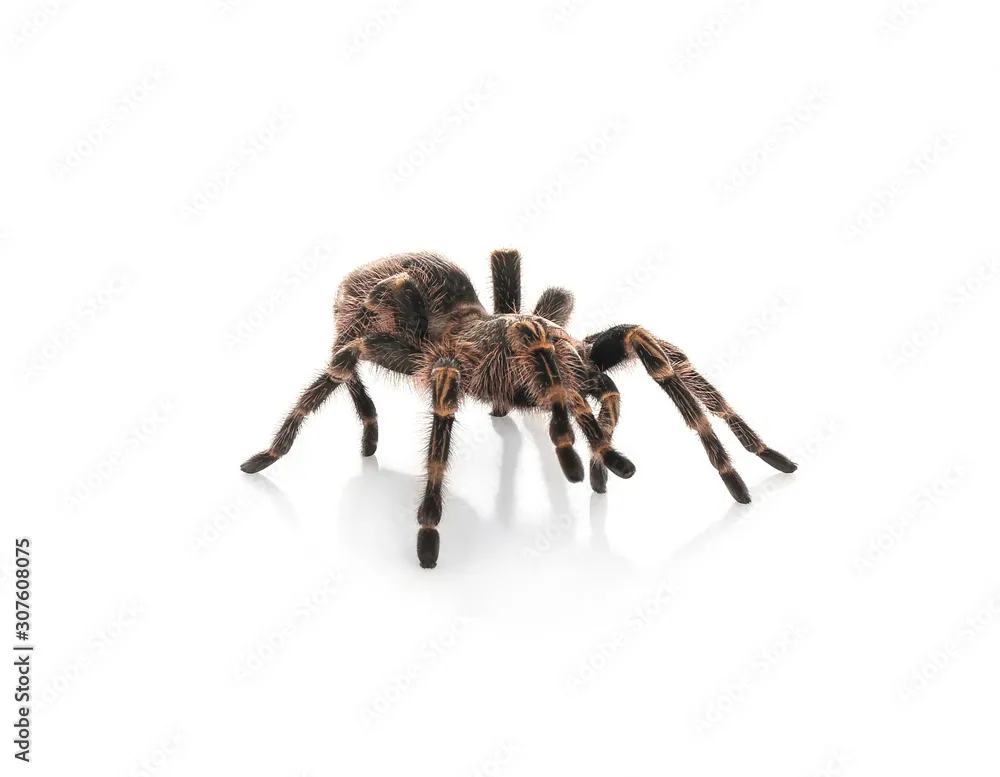
Understanding the White Striped Tarantula
The White Striped Tarantula, scientifically known as Aphonopelma chalcodes, is a captivating species popular among tarantula enthusiasts. Native to the southwestern United States and parts of Mexico, these arachnids present a fascinating addition to any pet collection. Understanding their unique needs is paramount to ensuring their well-being and longevity. This comprehensive care sheet will equip you with the knowledge to provide the best possible environment for your White Striped Tarantula, covering everything from enclosure setup to feeding and health considerations. Proper care not only ensures the tarantula’s survival but also allows you to observe its fascinating behaviors and appreciate its beauty.
Origin and Habitat
White Striped Tarantulas are primarily found in arid and semi-arid environments, including deserts and grasslands. They are burrowing tarantulas, meaning they create underground burrows to escape the harsh environmental conditions. These burrows provide shelter from extreme temperatures, predators, and the sun’s intense rays. Their natural habitat significantly influences their care requirements in captivity. Replicating their natural environment, or as close as possible, is crucial for their health and happiness. The more closely you can mimic the environment they are used to, the better they will fare. This includes providing appropriate substrate for burrowing, maintaining the right temperature and humidity levels, and ensuring proper ventilation.
Appearance and Characteristics

The White Striped Tarantula is known for its striking appearance. They typically have a dark body with distinctive white stripes on their legs, which give them their name. Their size can vary, with mature females often reaching a leg span of up to 6 inches. Males are typically smaller and more slender. Their bodies are covered in small hairs, called setae, which are sensory structures that help them detect vibrations and changes in their environment. These tarantulas are generally considered to be docile, making them a good choice for beginner tarantula keepers. However, like all tarantulas, they can bite if provoked, so handling should be done with caution. Their lifespan can vary, with females living for over 20 years and males typically living for a shorter period.
Top 5 Care Tips for White Striped Tarantulas
Enclosure Setup
Setting up the right enclosure is the foundation of proper White Striped Tarantula care. A secure and appropriately sized habitat will provide a comfortable and safe environment for your tarantula to thrive. Consider the tarantula’s size and burrowing behavior when choosing an enclosure. A good enclosure provides ample space for movement and exploration and should allow you to maintain the correct environmental conditions. Regular cleaning of the enclosure is also necessary to maintain cleanliness and prevent the buildup of harmful bacteria. Always ensure the enclosure is escape-proof to prevent the tarantula from getting loose in your home.
Choosing the Right Enclosure

The enclosure should be appropriately sized, with enough floor space for the tarantula to move around comfortably and to create a burrow. A general rule of thumb is to provide a space that is at least three times the tarantula’s leg span in width and length. A glass or plastic terrarium with a secure lid is ideal. Ventilation is important, but avoid excessive airflow, which can dry out the enclosure. Front-opening enclosures are convenient for feeding and maintenance. Always ensure the enclosure is escape-proof, as tarantulas can squeeze through small gaps.
Substrate and Decor
The substrate is the material that lines the bottom of the enclosure. For White Striped Tarantulas, a substrate that allows for burrowing is essential. A mixture of peat moss, coconut fiber, and a small amount of vermiculite works well. The substrate should be deep enough – at least 4-6 inches – to allow the tarantula to create a secure burrow. Adding a hide, such as a piece of cork bark or a half-log, provides a secure place for the tarantula to retreat. Live or artificial plants can be added for decoration, but ensure they are safe and non-toxic. Regular cleaning of the substrate and removal of any uneaten food are also important.
Temperature and Humidity
Maintaining the correct temperature and humidity levels is critical for the health of your White Striped Tarantula. These tarantulas thrive in a temperature range of 75-85°F (24-29°C). A heat lamp or a heat mat placed on the side of the enclosure can be used to maintain this temperature. Avoid placing the heat source directly under the enclosure, as this can dry out the substrate. Humidity levels should be maintained between 60-70%. Use a hygrometer to monitor the humidity levels and mist the enclosure with water as needed to maintain the ideal range. Good ventilation is also essential to prevent the buildup of mold and bacteria. Regularly check the temperature and humidity to make sure that it meets the tarantula’s needs.
Maintaining Optimal Conditions

To maintain optimal conditions, monitor the temperature and humidity levels daily. Use a thermometer and hygrometer to ensure the readings are within the recommended ranges. Adjust the heat source or misting frequency as needed. Ensure proper ventilation by providing cross-ventilation. Avoid direct sunlight, as it can overheat the enclosure. Regular cleaning of the enclosure is also important to maintain a healthy environment. Remove any uneaten food and clean the enclosure every few months. This ensures that the environment remains conducive for your tarantula to thrive and live a long life.
Watering and Ventilation
Provide a shallow water dish filled with clean water at all times. The water dish should be shallow enough to prevent the tarantula from drowning. The water should be changed regularly to keep it fresh. Good ventilation is important to prevent the buildup of humidity and mold. Ensure that the enclosure has adequate ventilation, but avoid excessive airflow. Proper ventilation will also help maintain the correct humidity levels within the enclosure. If the humidity levels are too high, you might need to adjust ventilation to manage the moisture levels within the enclosure.
Feeding Your Tarantula
Proper feeding is essential to keep your White Striped Tarantula healthy and thriving. Understanding their dietary needs and feeding frequency is crucial. Offer a varied diet of appropriate live insects and ensure the food items are the right size for your tarantula. Remove any uneaten food within 24 hours to prevent mold and maintain a clean enclosure. The feeding schedule also depends on the tarantula’s age and size. Younger tarantulas need to be fed more frequently than adults.
Appropriate Food Types

White Striped Tarantulas are insectivores, and their diet should consist primarily of live insects. Crickets, roaches, mealworms, and other readily available insects are all suitable. The size of the insects should be appropriate for the tarantula’s size; the prey should not be larger than the tarantula’s abdomen. It’s best to vary the diet to provide a more balanced nutritional intake. Avoid feeding wild-caught insects, as they may contain parasites or pesticides. Always ensure that the insects you are feeding your tarantula have been gut-loaded with nutritious food items for enhanced nutritional value.
Feeding Frequency and Amounts
Feeding frequency depends on the tarantula’s age and size. Spiderlings (young tarantulas) should be fed more frequently, about every other day, while adults can be fed once or twice a week. The amount of food offered should be appropriate for the tarantula’s size and appetite. Offer a few insects at a time and remove any uneaten food within 24 hours. Monitor the tarantula’s abdomen; if it appears too large, reduce the feeding frequency. During molting, tarantulas typically stop eating. Do not offer food during this period. Always provide fresh, clean water.
Handling and Safety
Handling White Striped Tarantulas should be approached with caution. While they are generally docile, they can bite if they feel threatened. Bites are not typically life-threatening but can be painful. It is also important to be aware that tarantulas have urticating hairs on their abdomen, which they can flick off as a defense mechanism. These hairs can cause irritation to the skin and eyes. Always supervise children around the tarantula and handle the animal when necessary. Safe handling practices will protect you from potential bites and the tarantula from accidental injury.
Minimizing Risks and Stress

To minimize risks, handle your tarantula only when necessary. Avoid sudden movements and loud noises, which can startle the spider. If you need to handle the tarantula, do so over a soft surface, such as a bed or a carpet, in case it falls. Avoid touching the tarantula’s abdomen, as this can irritate the urticating hairs. Wash your hands thoroughly after handling the tarantula or anything that has been in contact with the tarantula. If you feel the urge to handle the tarantula, make sure that you are well-informed and well-prepared.
Recognizing and Addressing Health Issues
Being able to recognize the signs of a healthy or unhealthy tarantula is crucial for responsible pet ownership. Regular observation of your White Striped Tarantula will help you identify potential health issues early on. Promptly addressing any health concerns can significantly improve the tarantula’s chances of recovery and maintain a long and healthy life. Familiarize yourself with common health problems and know when to seek veterinary assistance if needed.
Common Health Problems
Some common health problems in tarantulas include mites, fungal infections, and injuries from falls or bites. Mites can be identified by tiny moving specks on the tarantula or in the enclosure. Fungal infections can be caused by high humidity levels. Injuries can be caused by falls or aggressive prey. Quarantine any new tarantulas to prevent the spread of potential diseases. Always maintain a clean environment to prevent any of these health issues. If you notice any health issues, such as lethargy, loss of appetite, or unusual behavior, consult with a veterinarian who specializes in exotic animals. Early detection and intervention are key to successful treatment.
Signs of a Healthy Tarantula

A healthy White Striped Tarantula will exhibit several positive signs. They should be active and alert, with a good appetite. Their legs should be intact and move smoothly. The abdomen should be firm and well-rounded, not shriveled or distended. During molting, the tarantula will lose its appetite and may become inactive. After molting, the tarantula will be more vibrant in color and have a new exoskeleton. Observe your tarantula regularly, and make notes of its behavior and physical condition. Keep a log of all molting events to see its progress. This will make it easier to identify and address any potential health concerns.
Conclusion
Caring for a White Striped Tarantula can be a rewarding experience. By following these top 5 care tips, you can ensure your tarantula lives a long, healthy, and happy life. Remember to provide a suitable enclosure, maintain optimal temperature and humidity levels, feed them a balanced diet, handle them safely, and regularly monitor their health. Proper care is essential for the tarantula’s wellbeing. With the correct knowledge and consistent attention, you can enjoy the unique presence of these fascinating arachnids. Embrace your role as a responsible pet owner, and savor the journey of learning and observing your White Striped Tarantula.