
Why Your Cobalt Blue Tarantula Won’t Eat
Owning a Cobalt Blue Tarantula can be an incredibly rewarding experience. These stunning arachnids, with their vibrant blue legs, are a popular choice for many reptile enthusiasts. However, a common concern among owners is when their Cobalt Blue Tarantula refuses to eat. Several factors can contribute to this behavior, and understanding these reasons is crucial for ensuring your pet’s health and well-being. This guide will explore the top 5 reasons why your Cobalt Blue Tarantula might not be eating and offer practical solutions to help you address the issue. Recognizing the cause is the first step in getting your tarantula back on track to a healthy appetite. Addressing the underlying issue promptly can prevent more serious health problems. It’s essential to observe your tarantula’s behavior, habitat conditions, and feeding habits to identify the problem and take appropriate action.
Environmental Factors Temperature and Humidity
The environment in which your Cobalt Blue Tarantula lives plays a significant role in its appetite. Both temperature and humidity levels must be within the correct range to keep your tarantula comfortable and encourage it to eat. These factors directly impact the tarantula’s metabolism and overall health. Incorrect environmental conditions can stress the tarantula, leading to a loss of appetite and other health problems. Regularly monitoring and adjusting these parameters is key to maintaining a healthy habitat for your pet. Proper environmental control is not only necessary for eating, it is vital to longevity.
Impact of Incorrect Temperature

Cobalt Blue Tarantulas thrive in a specific temperature range, typically between 75°F and 85°F (24°C and 29°C). If the temperature is too low, the tarantula’s metabolism slows down, reducing its need for food and potentially impacting its ability to digest what it does eat. Conversely, excessively high temperatures can dehydrate the tarantula and also lead to a loss of appetite. Using a reliable thermometer to monitor the enclosure temperature is essential. Adjusting the heating source, such as a heat mat or ceramic heat emitter, can help maintain the ideal temperature. Keeping the enclosure in a location that avoids drafts and direct sunlight is also important.
Importance of Humidity Levels
Humidity is another critical factor. Cobalt Blue Tarantulas need a humidity level of around 70-80%. Low humidity can lead to dehydration, making the tarantula feel unwell and lose its appetite. High humidity, while not as directly harmful as low humidity, can create an environment that promotes the growth of mold and bacteria, which can be detrimental to the tarantula’s health. Regularly misting the enclosure with dechlorinated water and providing a shallow water dish are simple ways to maintain the right humidity level. A hygrometer is a valuable tool for accurately measuring humidity, enabling you to make necessary adjustments to the enclosure environment. Monitoring the humidity and temperature ensures that your tarantula’s environment is optimal for health and well-being, thus supporting a healthy appetite.
Molting Cycle Understanding the Process
Molting is a natural process where tarantulas shed their exoskeletons to grow. During this time, tarantulas often refuse food. Understanding the molting cycle is crucial for interpreting your tarantula’s behavior and knowing when not to worry about a lack of appetite. This process can take several days or weeks, depending on the tarantula’s age and overall health. The tarantula will become less active, sometimes remaining in a specific spot in the enclosure. Recognizing the signs of premolt will help you provide the appropriate care for your Cobalt Blue Tarantula during this vulnerable time. Feeding your tarantula while in premolt can cause serious health risks, so knowing the stages is vital to the animal’s care.
Recognizing Premolt Signs

Several signs indicate that your Cobalt Blue Tarantula is preparing to molt. The most noticeable is a change in color. The tarantula’s abdomen may darken, and the exoskeleton may appear duller than usual. Additionally, the tarantula may become less active and spend more time in its burrow or hiding place. The tarantula might also refuse food and look plumper than usual, as it prepares to shed its old exoskeleton. Being aware of these signs allows you to avoid offering food, as the tarantula will likely not eat and could stress it out. It’s important to note any changes in behavior and appearance. These observations can help determine whether the tarantula is in the process of molting.
What to Do During Molting
During the molting process, it’s important to leave your Cobalt Blue Tarantula undisturbed. Avoid handling it, as this could disrupt the process and potentially harm the tarantula. Provide a stable environment with the correct temperature and humidity. Ensure the enclosure has a substrate that allows the tarantula to burrow if it chooses to. Keep the water dish filled, and avoid feeding until the tarantula has successfully molted and its new exoskeleton has hardened. Molting is a stressful process for tarantulas, and providing a safe, quiet environment will help your pet through this stage with minimal problems. Patience is essential; it can take several days for the tarantula to fully emerge from its old exoskeleton and for its new skin to harden.
Prey-Related Issues Food Preferences and Quality
The type and quality of the prey you offer can significantly impact your Cobalt Blue Tarantula’s appetite. Tarantulas can be picky eaters, and they may refuse to eat prey that is not to their liking or is of poor quality. Moreover, ensuring your prey is properly gut-loaded and free from pesticides or other harmful substances is critical. Providing a balanced diet is as important for tarantulas as it is for any other pet. Consider the nutritional value of the prey and how it affects the tarantula’s health. These creatures have specific needs and preferences. Addressing food-related issues is often a straightforward way to improve appetite. This includes what prey you use, its health, and its availability to the tarantula.
Suitable Prey Options

The best prey for Cobalt Blue Tarantulas includes crickets, cockroaches, mealworms, and occasionally, small pinkie mice. Variety is key, so offering a mix of different prey items can help prevent your tarantula from becoming bored and uninterested in eating. It’s important to choose prey that is appropriately sized for your tarantula; the prey should be no larger than the tarantula’s body. Avoid feeding wild-caught insects, as they may carry parasites or be contaminated with pesticides. Commercially bred insects from a reputable source are the safest option. Regularly rotating prey options can keep your tarantula stimulated and well-fed. Be sure to choose insects that are healthy and nutritious to support your tarantula’s overall well-being.
Prey Size Considerations
The size of the prey is crucial. Offering prey that is too large can stress your tarantula and may even pose a risk of injury during the hunting process. A good rule of thumb is to offer prey that is no bigger than the tarantula’s body length. For spiderlings or juveniles, appropriately sized prey is critical for their healthy development. As the tarantula grows, you can gradually increase the size of the prey. Overfeeding can also lead to health problems, so it’s better to err on the side of caution and offer smaller, more manageable meals. Adjust the size of the prey based on the tarantula’s age and size and monitor its feeding habits. You can ensure that your Cobalt Blue Tarantula maintains a healthy diet.
Health Problems Identifying and Addressing Issues
Sometimes, a lack of appetite can indicate an underlying health problem. Various illnesses or infections can affect tarantulas, leading to a refusal to eat and other symptoms. Recognizing the signs of illness and knowing when to seek professional help is essential for the health of your pet. Tarantulas are relatively hardy creatures, but they can still fall ill. Regular observation of your tarantula’s behavior and appearance is crucial for identifying any potential health issues early on. This will give you the opportunity to take action quickly, potentially preventing a minor issue from developing into something more serious. Understanding the signs of illness allows you to provide the best possible care. Early detection and treatment are often vital.
Signs of Illness or Stress
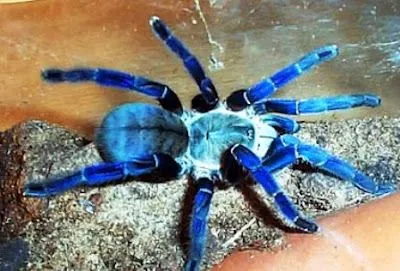
Several signs can indicate that your Cobalt Blue Tarantula is unwell. These include lethargy, loss of balance, abnormal posture, and a swollen or discolored abdomen. You might also notice the tarantula spending an excessive amount of time in one spot or a lack of response to stimuli. Other signs include the appearance of parasites or mites. Additionally, changes in the tarantula’s behavior, such as a sudden disinterest in food, can be a sign of an underlying health issue. Any unusual or concerning symptoms should be investigated promptly. Monitoring and documenting your tarantula’s behavior, feeding habits, and physical appearance helps in early detection. These observations enable you to make informed decisions about the tarantula’s health.
When to Consult a Vet
If your Cobalt Blue Tarantula exhibits signs of illness, especially if these symptoms persist or worsen, it’s crucial to seek the advice of a veterinarian experienced in exotic animals. While many general vets may not have expertise in tarantulas, a specialist can diagnose and treat any underlying health issues. Be prepared to provide the vet with information about your tarantula’s habitat, feeding habits, and the specific symptoms you’ve observed. Early intervention is essential for a successful outcome. A veterinarian can perform necessary tests and offer appropriate treatment options. Getting a professional opinion is often the best course of action if you are concerned about the health of your Cobalt Blue Tarantula. The vet may offer advice on how to improve the tarantula’s environment or recommend medication if needed.
Stress Factors Disturbances and Handling
Cobalt Blue Tarantulas can be easily stressed by disturbances and excessive handling. Stress can lead to a loss of appetite and other health problems. Understanding the factors that can stress your tarantula is crucial for creating a comfortable and safe environment. Providing a calm and stable environment is essential for your pet’s overall well-being. Constant disruptions or frequent handling can be detrimental to its health and can cause it to refuse food. Create a routine that minimizes disturbances and allows the tarantula to feel safe. A calm environment is essential for the tarantula to thrive, and a lack of stress often translates to a healthy appetite.
Impact of Frequent Handling

While some tarantula owners enjoy handling their pets, it’s important to note that Cobalt Blue Tarantulas are not typically well-suited for frequent handling. Handling can stress the tarantula, leading to a loss of appetite and the potential for defensive behaviors, such as biting. Tarantulas are sensitive to vibrations and sudden movements, which can make them feel threatened. If you must handle your tarantula, do so cautiously and only when necessary, using a soft brush to gently guide it onto your hand. Avoid handling the tarantula after it has eaten or if it is in premolt. Frequent handling can also result in the release of venom as a defense mechanism. Always prioritize the tarantula’s well-being.
Creating a Stress-Free Habitat
Creating a stress-free habitat involves several key elements. The enclosure should be in a quiet location, away from loud noises and sudden movements. Providing appropriate hiding places, such as cork bark or artificial plants, allows the tarantula to feel secure. Avoid frequent cleaning or rearranging of the enclosure, as this can disrupt the tarantula’s routine. Maintain a consistent temperature and humidity level. Always ensure the enclosure is secure, with no escape routes. A well-designed and maintained habitat will help your Cobalt Blue Tarantula feel safe, reducing stress and promoting a healthy appetite. Minimize disruptions and create a space where your tarantula can thrive without unnecessary stress. A secure and stable environment is the most important factor in their care.