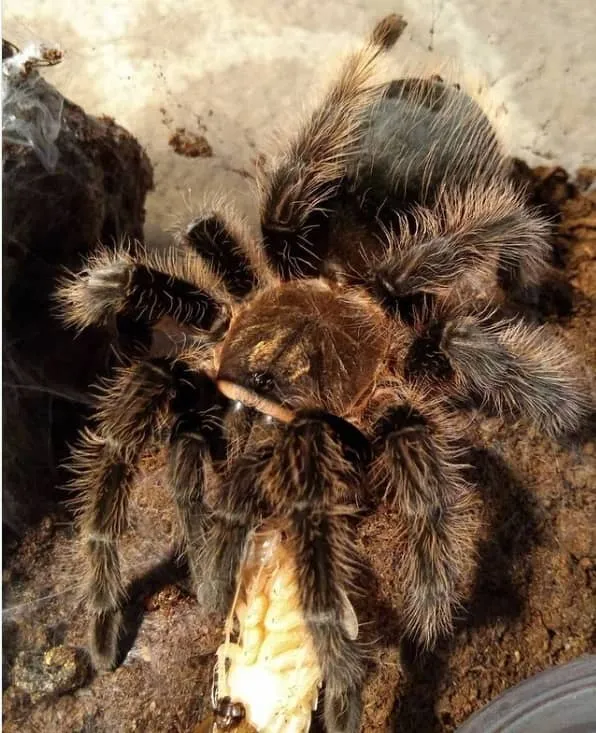
Why Is Your Curly Hair Tarantula Not Eating?
Bringing a curly hair tarantula into your home can be an exciting experience, but it can also come with its challenges. One of the most common concerns among tarantula owners is when their pet refuses to eat. Several factors can contribute to this, ranging from environmental conditions to the tarantula’s natural behaviors. Understanding these reasons is crucial to ensuring the health and well-being of your eight-legged friend. This article explores the top 5 reasons why your curly hair tarantula might not be eating, providing insights and solutions to help you address the issue effectively. By recognizing the potential causes, you can take the necessary steps to create an environment that promotes healthy eating habits and a thriving life for your tarantula.
Temperature and Humidity Issues
Temperature and humidity play a vital role in the health and feeding habits of your curly hair tarantula. These creatures are ectothermic, meaning they rely on their environment to regulate their body temperature. If the enclosure is too cold, the tarantula’s metabolism slows down, reducing its appetite. Similarly, if the humidity levels are not within the ideal range, it can lead to dehydration or respiratory issues, which can also impact their willingness to eat. Maintaining the correct environmental conditions is therefore paramount to the tarantula’s overall health and feeding behavior. Monitoring these conditions closely and making adjustments as needed is essential for optimal tarantula care. The correct temperature and humidity levels will help the tarantula feel safe and comfortable. And when they feel safe and comfortable, they’ll be more likely to eat.
Ideal Temperature and Humidity Levels for Curly Hair Tarantulas

For curly hair tarantulas, the ideal temperature range is between 75-85°F (24-29°C). You can use a thermometer to monitor the temperature within the enclosure. Make sure to place the thermometer in a spot where it can be easily and regularly checked. Humidity levels should be maintained between 65-75%. This can be achieved by providing a shallow water dish and lightly misting the enclosure a couple of times a week. Using a hygrometer will help you measure the humidity. Consistent monitoring of these parameters is key. Both are very important for the overall health and well-being of your tarantula. Deviations from these ranges can cause stress and impact their feeding habits.
How to Adjust Your Enclosure’s Environment
If you find that the temperature or humidity levels are not within the recommended range, there are several ways to adjust them. For temperature, you can use a heat lamp or a heat mat placed on the side of the enclosure. Be sure to monitor the temperature closely to avoid overheating the enclosure. For humidity, mist the enclosure with dechlorinated water using a spray bottle. Ensure that the enclosure has adequate ventilation to prevent the buildup of mold and maintain a healthy environment. Regularly check the water dish and refill it as needed. By making these adjustments, you can create a more comfortable and suitable environment for your curly hair tarantula, which will encourage feeding and promote its overall health. Correcting the temperature and humidity often solves many of the feeding issues.
Moulting Cycle Impact on Appetite
Tarantulas, like all arthropods, undergo a process called moulting, where they shed their exoskeleton to grow. This process can significantly impact their appetite. Before moulting, tarantulas often stop eating, a natural behavior as they prepare for the energy-intensive process of shedding their old skin. The timing of a moult can vary depending on the age of the tarantula, its growth rate, and environmental factors. During this period, it’s normal for your tarantula to refuse food. This fasting period can last from a few days to several weeks, depending on the tarantula’s size and age. Understanding this process and recognizing the signs of an upcoming moult can help you avoid unnecessary concern and provide appropriate care during this crucial time.
Signs Your Tarantula Is About to Moult

There are several indicators that suggest your tarantula is preparing to moult. One of the most obvious signs is a loss of appetite. The tarantula may become lethargic and less active. The abdomen may appear darker and larger as the new exoskeleton develops underneath. You might also notice that your tarantula spends more time in a specific area of the enclosure, possibly preparing a web or digging a burrow. Additionally, the tarantula’s abdomen may appear swollen, and the legs might look shiny. If you observe these signs, it’s best to avoid feeding your tarantula and ensure that the enclosure has adequate humidity to assist with the moulting process. Also, refrain from disturbing your tarantula during this time, as stress can disrupt the process.
Feeding Considerations During Moulting
During the moulting process, it is crucial to refrain from feeding your tarantula. Offering food can stress the tarantula and potentially cause harm. Wait until your tarantula has successfully moulted and its new exoskeleton has hardened before reintroducing food. This can take several days or even a week or two. Observe the tarantula’s behavior and the appearance of its fangs, which should be fully formed and functional. Once you are sure that the tarantula is ready to eat, you can offer small, appropriately sized prey items. Always ensure that the tarantula has access to fresh water during this period. Proper care and patience during the moulting cycle will support your tarantula’s healthy development and overall well-being.
Prey Size and Type Problems
The type and size of prey you offer your curly hair tarantula can significantly affect its willingness to eat. Tarantulas are opportunistic hunters, but they can be picky eaters, especially when it comes to the size and type of food available. Providing prey that is too large or too small can lead to the tarantula refusing to eat, as it may not recognize the prey as a food source, or it may be overwhelmed by its size. Understanding the dietary preferences and needs of your tarantula is crucial for ensuring its nutritional intake and maintaining its overall health. In addition, the prey’s nutritional value and the environment in which it is kept can influence your tarantula’s willingness to eat. A healthy, varied diet with appropriate-sized prey is essential.
Appropriate Prey Size for Curly Hair Tarantulas

When selecting prey for your curly hair tarantula, consider the tarantula’s size. The general rule is to offer prey that is no larger than the tarantula’s abdomen. For spiderlings, smaller prey such as flightless fruit flies or pinhead crickets are appropriate. As your tarantula grows, you can gradually increase the size of the prey, such as small crickets, roaches, or mealworms. However, it’s always best to err on the side of caution and choose prey that your tarantula can easily handle and consume. Offering food that is too large can stress the tarantula and may lead to it refusing to eat. Monitoring the size of your prey is a critical part of keeping your tarantula well fed and happy. Make sure that your tarantula is able to safely and efficiently consume the food.
Best Prey Options to Offer
The ideal diet for a curly hair tarantula consists of a variety of insects. Crickets, dubia roaches, mealworms, and even small superworms are excellent options. It’s important to ensure that the prey is healthy and well-fed. Gut-loading the insects with nutritious food before offering them to your tarantula increases their nutritional value. Avoid offering prey that has been exposed to pesticides or chemicals, as these can be harmful to your tarantula. Providing a varied diet can ensure that your tarantula receives all the necessary nutrients. You can also switch up the prey to keep things interesting for your tarantula. A well-balanced diet will provide your tarantula with the energy and nutrients it needs to thrive and remain healthy.
Stress and Environmental Factors
Stress is a major factor that can affect a curly hair tarantula’s feeding behavior. Tarantulas are sensitive creatures and can easily be stressed by various environmental factors. Loud noises, vibrations, sudden movements, or overcrowding can all lead to stress, which can result in a loss of appetite. Furthermore, the enclosure environment itself plays a role. A poorly designed enclosure, lack of hiding places, or inadequate ventilation can contribute to stress. Creating a comfortable and secure environment is crucial for encouraging healthy eating habits. Regularly assessing and adjusting your tarantula’s living conditions can greatly reduce stress and improve its overall well-being. Providing an environment that meets the tarantula’s specific needs will help to ensure it eats regularly.
Common Stressors in Tarantula Keeping

Several factors can stress your curly hair tarantula. Frequent handling, tapping on the enclosure, or sudden movements near the enclosure can be very stressful. Exposure to loud noises, bright lights, and strong vibrations can also cause stress. Overcrowding in the enclosure, or the presence of other animals, can trigger stress responses. Changes in the enclosure’s environment, such as temperature and humidity fluctuations, can also impact the tarantula’s well-being. Be mindful of these stressors and avoid them as much as possible. Providing a stable and undisturbed environment will help your tarantula feel safe and secure.
Creating a Low-Stress Environment
To create a low-stress environment for your curly hair tarantula, start by placing the enclosure in a quiet area away from excessive noise and movement. Avoid frequent handling and minimize disturbances. Provide plenty of hiding places, such as cork bark, artificial plants, or other appropriate decorations. Maintain the correct temperature and humidity levels within the enclosure. Ensure the enclosure is well-ventilated. Avoid placing the enclosure in direct sunlight. Providing these conditions will help your tarantula feel secure and reduce stress, which in turn can improve its appetite. Remember, a happy tarantula is a tarantula that eats regularly.
Health Problems and Parasites
Sometimes, a curly hair tarantula’s refusal to eat may be related to underlying health problems or parasites. While tarantulas are generally hardy creatures, they can still become ill or be infested with parasites. Certain illnesses can affect their appetite, leading to lethargy and a lack of interest in food. Parasites, such as mites, can also cause distress and impact feeding behavior. Therefore, it is important to monitor your tarantula for any signs of illness or infestation. Early detection of any health issues is critical for successful treatment and ensuring the well-being of your pet. Regularly observing your tarantula and understanding the signs of potential health problems is a key part of responsible tarantula ownership.
Identifying Signs of Illness in Tarantulas

Several signs may indicate that your tarantula is not feeling well. These include lethargy, a lack of coordination, or unusual posture. A tarantula that is constantly on the ground or lying on its back may be unwell. Also, check for any visible abnormalities, such as lesions, swelling, or discolored areas on the body. If the tarantula is exhibiting any of these symptoms, it is important to take action immediately. A change in the tarantula’s eating habits, such as a complete refusal to eat, can also be a sign of an underlying health issue. Any unusual behavior should be observed carefully. Contact a veterinarian or an expert in tarantula care as soon as possible if you notice any of these signs.
When to Seek Veterinary Assistance
If you suspect that your curly hair tarantula is ill, consulting a veterinarian experienced with exotic animals is crucial. A vet can properly diagnose the condition and recommend the appropriate treatment. If you see any of the previously listed symptoms, it is important to schedule an appointment. If the tarantula has been fasting for an extended period and other potential causes have been eliminated, veterinary assistance should be considered. Do not attempt to self-treat your tarantula, as this can be dangerous. Early intervention can greatly improve the chances of a full recovery. A vet can assess the situation accurately and provide the best course of action.
Offering the Right Diet
Providing the right diet is paramount to ensure the health and well-being of your curly hair tarantula. A balanced diet is critical for supporting its growth, energy levels, and overall health. Understanding the specific dietary requirements of your tarantula, and the nutritional content of the prey you are providing, can help you create a feeding routine that meets its needs. Offering a variety of prey items also contributes to a well-balanced diet and keeps your tarantula from becoming bored with its food. Providing the appropriate diet will lead to a happy, healthy, and well-fed tarantula. Proper diet is the key to long term health and can prevent many issues that would cause a tarantula to stop eating.
Feeding Schedule for Curly Hair Tarantulas

The feeding schedule for a curly hair tarantula depends on its age and size. Spiderlings should be fed more frequently, usually two to three times per week. As they grow, the frequency can be reduced to once or twice a week for juveniles. Adult tarantulas can typically be fed once every one to two weeks. Always adjust the feeding schedule based on your tarantula’s appetite and overall condition. Be sure to remove any uneaten prey within 24 hours to prevent the growth of mold or bacteria. This will ensure that the enclosure remains clean and hygienic. Proper timing and a consistent schedule will create the ideal environment for your tarantula’s dietary needs.
Nutritional Needs of Your Tarantula
A well-balanced diet provides essential nutrients for the proper development of your tarantula. The prey items should provide adequate protein, fats, and other essential nutrients. Gut-loading the insects with nutritious food before offering them to your tarantula ensures that they are nutrient-rich. Gut-loading involves feeding the prey a nutritious diet, such as vegetables or commercially available insect food, prior to feeding them to your tarantula. Consider offering a variety of insects to ensure your tarantula receives all the necessary nutrients. Also, always provide fresh water in a shallow dish. Your tarantula needs a consistent supply of water to stay hydrated. Water is just as important as food for maintaining health.