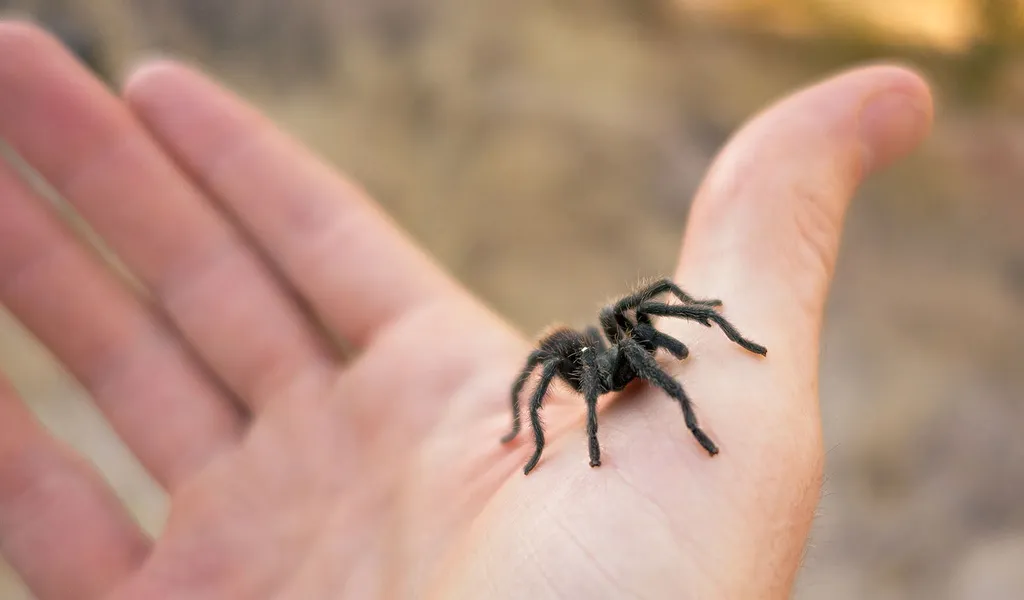
Why Pet Tarantulas? The Allure Explained
The world of pet ownership extends far beyond the familiar realms of dogs and cats. For some, the allure lies in the exotic, the unique, and the fascinating. Enter the tarantula, a creature that, despite its intimidating appearance, has captivated the hearts of many pet enthusiasts. But why choose a tarantula? What is it about these eight-legged wonders that draws people in? The answer lies in a combination of factors, from their low-maintenance nature to the fascinating behaviors they exhibit. This article explores the top 5 amazing reasons why pet tarantulas are becoming increasingly popular, offering a glimpse into the world of these intriguing creatures and why they might be the perfect pet for you.
Low Maintenance Companionship
One of the most significant draws of owning a tarantula is their low-maintenance nature. Unlike dogs that require daily walks, playtime, and constant attention, or even cats that need regular interaction, tarantulas are relatively self-sufficient. This makes them an excellent choice for busy individuals or those who live in smaller spaces. Their care primarily revolves around ensuring their habitat is suitable and providing them with food and water, which is a stark contrast to the demands of traditional pets. This ease of care makes tarantulas a convenient and rewarding pet option for many.
Minimal Daily Care Requirements

The daily care of a tarantula is remarkably simple. The primary tasks involve ensuring fresh water is available, and the habitat remains clean and at the appropriate temperature and humidity. This typically involves a quick visual inspection and, in some cases, a light misting of the enclosure, depending on the species. Compared to the time commitment required by other pets, tarantulas require very little of your time on a daily basis. This is a significant advantage for individuals who have limited time but still desire the companionship of a pet.
Feeding Schedule Demystified
Feeding a tarantula is a relatively infrequent task. Depending on the age and species of the tarantula, they may only need to be fed once or twice a week, or even less frequently for older specimens. The food typically consists of insects such as crickets, mealworms, or roaches, which are readily available at pet stores. The infrequent feeding schedule is another aspect that contributes to the low-maintenance aspect of owning a tarantula. It eliminates the need for daily feeding routines, making them a convenient pet choice.
Habitat Setup Made Easy
Setting up a tarantula’s habitat is a straightforward process. A suitable enclosure, such as a glass terrarium or a plastic container, is the first requirement. The enclosure should be appropriately sized for the species of tarantula. Substrate, such as coco fiber or peat moss, is added to the bottom of the enclosure to provide a comfortable environment and help maintain humidity. The addition of a water dish and, for some species, a hide or burrow, completes the habitat. Once set up, this habitat requires minimal maintenance, making it a simple task for owners.
Fascinating Behaviors and Observation

Tarantulas offer a unique opportunity for observation and study, as their behaviors are distinct and captivating. Observing a tarantula hunt, build a web, or interact with its environment can be a truly rewarding experience. The opportunity to witness such behaviors is a major draw for many tarantula owners. These spiders exhibit a range of fascinating behaviors, and their unique characteristics are truly engaging for those who appreciate the intricacies of the natural world, offering a window into the often-overlooked realm of invertebrate life.
Unique Characteristics and Traits
Each tarantula species possesses its own unique characteristics. These can include variations in size, coloration, temperament, and habitat preferences. Some species are known for their docile nature, while others are more defensive. Some display vibrant colors, while others have more understated patterns. Understanding these traits and observing how they manifest in their environment is part of the enjoyment of tarantula ownership. The differences between species offer a constant source of fascination and allow owners to tailor their care to suit their specific pet’s needs.
Molting Process Unveiled
The molting process is a remarkable spectacle in the tarantula world. As a tarantula grows, it sheds its exoskeleton, revealing a new, larger one underneath. Witnessing this process is a rare and exciting event, and a testament to the spider’s resilience. Molting can take several hours, and during this time, the tarantula is vulnerable. Understanding and observing the molting process is a special privilege for any tarantula owner. It’s a fascinating glimpse into the growth and development of these intriguing creatures. The process is a sign of a healthy, growing tarantula.
Variety of Species to Choose

The world of tarantulas boasts a remarkable diversity of species, each with its own unique characteristics, appearance, and care requirements. This wide variety ensures that there’s a tarantula for virtually every potential owner, from beginners to experienced arachnid enthusiasts. From the relatively docile and beginner-friendly species to the more challenging and colorful varieties, the range of options offers a constantly evolving experience, allowing for a fulfilling journey of discovery and learning.
Beginner-Friendly Tarantula Species
For those new to tarantula ownership, several species are particularly well-suited. These often include species known for their docile temperament, slower growth rates, and relatively straightforward care requirements. Common beginner-friendly choices include the Chilean rose hair tarantula, known for its gentle nature and tolerance of handling, and the Mexican red knee tarantula, which offers striking coloration and a manageable disposition. These species provide a great starting point for learning about tarantula care without the added challenges of more demanding species.
Advanced Tarantula Species for Enthusiasts
For experienced tarantula keepers, the world opens up to more challenging and exotic species. These can include those with more specific habitat requirements, more defensive temperaments, or unique feeding needs. Species such as the cobalt blue tarantula, known for its stunning coloration, or the King Baboon tarantula, renowned for its speed and defensive nature, offer a greater level of complexity and require more expertise. These species provide a rewarding experience for seasoned keepers seeking a deeper understanding of tarantula care.
Educational Opportunities and Learning

Owning a tarantula presents a unique opportunity for learning and education. It offers a chance to delve into the fascinating world of arachnids, exploring their biology, behavior, and ecology. For children, tarantulas can ignite a passion for science and nature, teaching them about responsibility and the importance of respecting all living creatures. For adults, tarantulas provide a stimulating hobby, providing a chance to learn more about the natural world and challenge preconceived notions about spiders. It is a path to broaden understanding and appreciation of these often-misunderstood creatures.
Understanding Tarantula Biology
Taking on a tarantula gives owners an opportunity to dive deep into arachnid biology. Learning about their anatomy, life cycle, and the different adaptations that enable them to thrive in their environments is a rewarding experience. Understanding the molting process, the function of their fangs and spinnerets, and the nuances of their behavior provides a deeper appreciation of these creatures. Learning about their diet, habitat, and how they interact with their environment becomes an engrossing pursuit.
Promoting Responsibility and Respect
Caring for a tarantula instills a sense of responsibility and respect for all living beings, especially in younger owners. It teaches children about the needs of another creature, the importance of providing a safe and healthy environment, and the value of consistent care. Owning a tarantula encourages research, learning, and a greater understanding of the natural world, and provides a valuable lesson in the interconnectedness of life. Learning to appreciate and care for a tarantula fosters empathy and respect for other species.
Cost-Effective Pet Option

Compared to many other pets, tarantulas can be a surprisingly cost-effective option. While there are initial setup costs, the ongoing expenses for food and maintenance are relatively low. This makes them an attractive choice for people who are on a budget or don’t want to invest heavily in a pet. This is especially true when compared to pets that require frequent veterinary visits, expensive food, or elaborate grooming.
Initial Setup Costs
The initial setup costs for a tarantula include the enclosure, substrate, a water dish, and any decorative items or hides. The price can vary depending on the size of the tarantula, the type of enclosure chosen, and the specific items purchased. However, compared to the costs of acquiring a dog or cat, initial setup costs are relatively low, representing a one-time investment that sets the stage for long-term ownership.
Ongoing Maintenance Expenses
The ongoing maintenance expenses for a tarantula are generally minimal. The primary costs are for food, which is typically inexpensive, and the occasional replacement of substrate. Veterinary care is rarely needed, as tarantulas are generally hardy creatures. In comparison to many other pets, tarantulas offer a low-cost way to enjoy the companionship and fascinating behaviors of a pet.