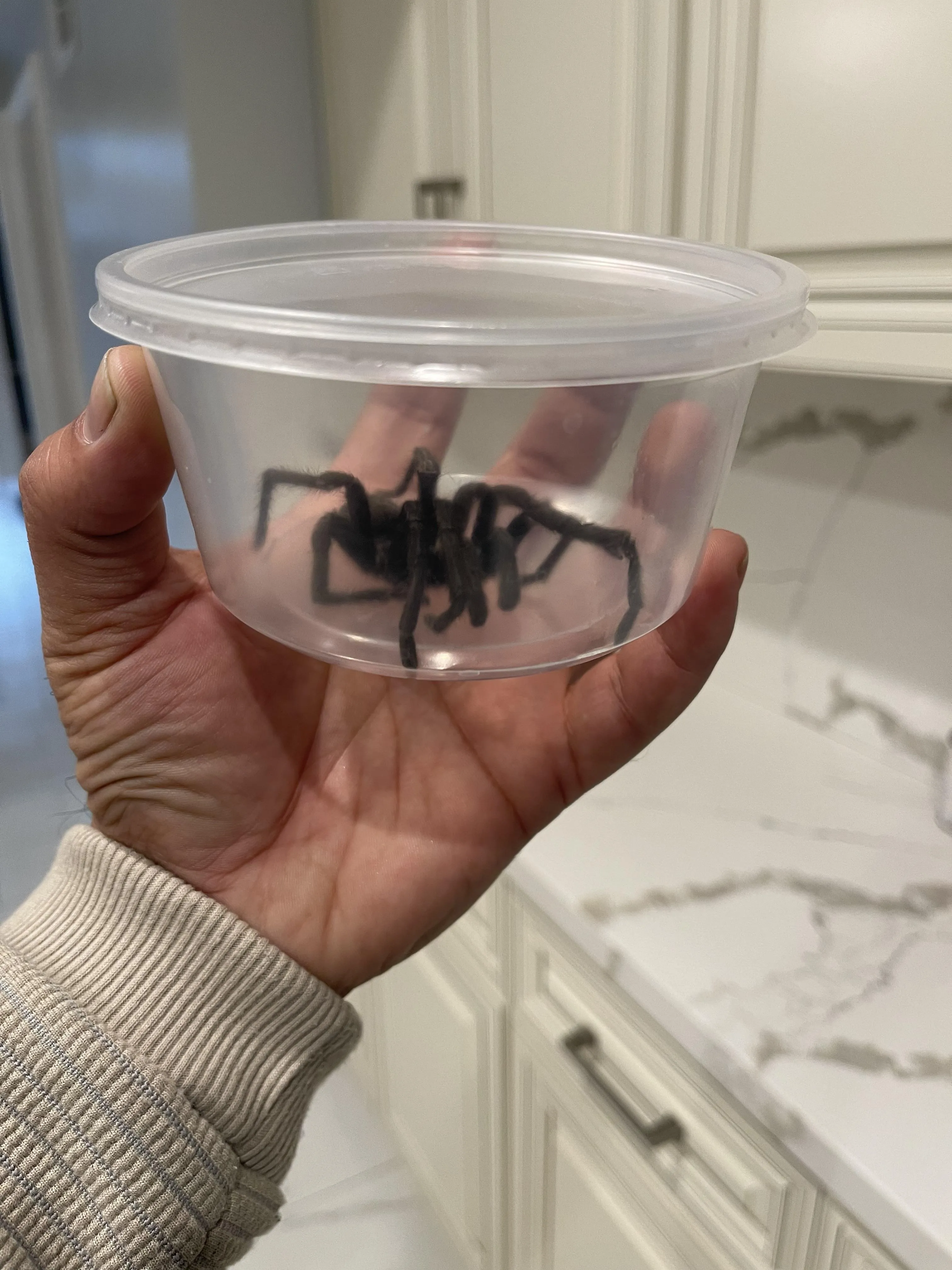
What is a Tarantula
Tarantulas are large, hairy spiders belonging to the Theraphosidae family. These impressive arachnids are known for their size, with some species boasting leg spans of over 10 inches, making them some of the largest spiders in the world. They are found in various habitats across the globe, primarily in tropical and subtropical regions. Despite their intimidating appearance, tarantulas are generally not considered highly dangerous to humans. Their venom, while potent for their prey, is typically not life-threatening to humans, and their bite is often compared to a bee sting. These creatures have captivated the interest of scientists, pet owners, and nature enthusiasts, making them a fascinating subject of study and observation. The diversity of species and their unique adaptations to various environments make them a remarkable group within the spider family.
Physical Characteristics of Tarantulas
Size and Appearance

Tarantulas exhibit a wide range of sizes and appearances depending on the species. They are typically characterized by their large size, robust bodies, and hairy legs. The smallest tarantulas may have a leg span of just a few inches, while the largest can reach over 10 inches. Their bodies are divided into two main parts the cephalothorax (fused head and thorax) and the abdomen. The cephalothorax contains the spider’s eyes, mouthparts (chelicerae and pedipalps), and legs. The abdomen houses the internal organs, including the heart, digestive system, and reproductive organs. Colors vary greatly, from earthy browns and blacks to vibrant blues, oranges, and reds, often providing camouflage in their natural habitats. The overall appearance can be quite striking, with some species displaying intricate patterns and markings.
Unique Features Hairs and Fangs
Tarantulas possess several unique features, including specialized hairs and fangs. Many species have urticating hairs on their abdomen, which they can flick at predators as a defense mechanism. These hairs are irritating and can cause itching and discomfort upon contact. Their fangs, or chelicerae, are used for capturing and injecting venom into their prey. The fangs are typically large and strong, designed to pierce the exoskeletons of insects and other small animals. The size and shape of the fangs vary among species, reflecting their dietary preferences. Tarantulas also have pedipalps, which resemble small legs and are used for sensory purposes and manipulating food. These features are crucial for their survival, enabling them to hunt, defend themselves, and navigate their environment effectively. The combination of these features makes the tarantula a highly adapted predator.
Habitat and Distribution
Where Do Tarantulas Live

Tarantulas inhabit a diverse array of environments across the globe. They are primarily found in tropical and subtropical regions, including South America, North America, Africa, and Asia. Their distribution is influenced by factors such as temperature, humidity, and the availability of prey. They have adapted to live in various habitats, from rainforests and grasslands to deserts and woodlands. Some species are terrestrial, living in burrows in the ground, while others are arboreal, dwelling in trees and shrubs. The specific location of a tarantula depends on the species, its needs for shelter, and the availability of food and water. Their adaptability allows them to thrive in a variety of conditions, making them a widespread and fascinating group of spiders.
Types of Habitats
Tarantulas are found in various types of habitats, showcasing their adaptability. Terrestrial tarantulas often live in burrows they dig themselves or occupy existing holes in the ground. These burrows provide shelter from predators and extreme weather conditions. Arboreal tarantulas, on the other hand, are found in trees and shrubs. They may build webs or live in crevices, using their surroundings for camouflage and protection. Some species also inhabit deserts, where they have adapted to arid conditions by burrowing deep into the soil and becoming active primarily during the cooler night hours. Others can be found in grasslands and woodlands, utilizing the vegetation for shelter and hunting. Each habitat provides unique challenges and opportunities for the tarantulas that live there, influencing their behavior and physical characteristics.
Tarantula Behavior and Lifestyle
Hunting and Diet

Tarantulas are primarily ambush predators, relying on stealth and patience to capture their prey. They typically wait in their burrows or hide in their surroundings, ambushing unsuspecting insects and other small animals that come within range. Their diet consists mainly of insects, but larger tarantulas may also prey on small vertebrates such as lizards, rodents, and even birds. They use their fangs to inject venom into their prey, which paralyzes and begins to digest the prey from within. Once the prey is subdued, the tarantula uses its chelicerae to grind the food and consume the liquefied contents. This hunting strategy is highly effective, allowing them to obtain the nutrients they need to survive and grow.
Venom and its Effects
Tarantula venom is a complex mixture of toxins that serves to immobilize and pre-digest prey. While the venom is potent for insects and small animals, it is generally not considered life-threatening to humans. The effects of a tarantula bite on humans typically include localized pain, swelling, and redness at the bite site. Some individuals may experience muscle cramps, nausea, or other mild symptoms. The severity of the reaction can vary depending on the species of tarantula, the amount of venom injected, and the individual’s sensitivity. It is important to note that tarantulas rarely bite unless provoked or threatened. If bitten, it is advisable to clean the wound and seek medical attention if symptoms worsen or if there are signs of an allergic reaction.
Lifespan and Life Cycle
Reproduction Process

The lifespan of a tarantula varies depending on the species and sex. Female tarantulas generally live much longer than males. Some female tarantulas can live for over 20 years, while males typically live for only a few years after reaching maturity. The life cycle of a tarantula involves several stages, including egg, spiderling, and adult. Tarantulas undergo molting, the process of shedding their exoskeleton, throughout their lives to grow. This process allows them to regenerate lost limbs and shed parasites. Reproduction occurs after the female has matured. Males use pedipalps to transfer sperm to the female. The female then lays eggs, which she protects in a silken egg sac. After the eggs hatch, the spiderlings go through several molts as they grow into adults.
Tarantulas as Pets
Caring for a Tarantula
Tarantulas are increasingly popular as pets due to their relatively low maintenance needs and fascinating behaviors. However, they do require proper care to thrive in captivity. A suitable enclosure should provide enough space for the tarantula to move around and should be escape-proof. Substrate, such as coconut fiber or peat moss, should be used to provide a natural environment. The enclosure should be kept at the appropriate temperature and humidity levels, which vary depending on the species. Tarantulas should be fed a diet of insects, such as crickets or mealworms, and provided with a water source. Regular cleaning of the enclosure is essential to maintain a healthy environment. It is important to research the specific needs of the species before acquiring a tarantula and to handle them with care and respect.
Common Health Issues and Treatment

Tarantulas, like all animals, can be susceptible to certain health issues. One of the most common problems is dehydration, which can be prevented by providing a constant source of fresh water and maintaining appropriate humidity levels. Mites and other parasites can also infest tarantulas, requiring prompt treatment with appropriate medications or environmental changes. Infections, often caused by bacteria or fungi, can occur if the enclosure is not kept clean. Injuries, such as broken legs or damage from molting, can also occur. If a tarantula appears ill, it is important to identify the cause and provide appropriate care or seek advice from a veterinarian experienced in exotic animal care. Prevention through proper husbandry is crucial in maintaining a healthy tarantula.
Conservation Status and Threats
Threats to Tarantulas
Tarantulas, like many other species, face various threats in their natural habitats. Habitat loss, due to deforestation, urbanization, and agricultural expansion, is a major concern. The destruction of their natural environments reduces the availability of food, shelter, and breeding grounds. Climate change also poses a significant threat, as changes in temperature and rainfall patterns can disrupt their habitats and impact their survival. The pet trade, while contributing to tarantula awareness, can also lead to unsustainable harvesting of wild populations if not carefully managed. Furthermore, the use of pesticides and other chemicals can contaminate their environment and affect their health. Conservation efforts, including habitat preservation, sustainable practices in the pet trade, and public awareness campaigns, are crucial for protecting these fascinating creatures.
Importance of Tarantulas in the Ecosystem

Tarantulas play a vital role in their ecosystems. As predators, they help control the populations of insects and other small animals, contributing to the balance of the food web. They also serve as prey for larger animals, such as birds, reptiles, and mammals, further connecting them within the ecosystem. Their presence can influence the structure and function of the habitats they occupy. In addition, their burrowing activities can aerate the soil and improve drainage. Understanding and appreciating the ecological roles of tarantulas highlights their importance and underscores the need for their conservation. Protecting tarantulas and their habitats benefits not only these fascinating creatures but also the ecosystems they inhabit.