Why Own a Tarantula? The Appeal
Considering a tarantula as a pet might seem unconventional, but these fascinating creatures offer a unique and rewarding experience for the right owner. Their quiet nature, relatively low maintenance, and captivating behaviors make them surprisingly appealing pets. Unlike many other pets, tarantulas don’t require constant attention or interaction, making them ideal for individuals with busy lifestyles or those seeking a less demanding companion. They offer a window into a different world, sparking curiosity and providing an educational opportunity to learn about the natural world and arachnid biology. If you’re looking for a pet that’s both intriguing and manageable, a tarantula might be the perfect fit.
Unique Pet Characteristics
Tarantulas possess a number of unique characteristics that set them apart from more traditional pets. Their prehistoric appearance and quiet demeanor are certainly appealing. They are not cuddly animals and do not require walks or playtime. Instead, tarantulas offer a different kind of companionship. They are captivating to observe, exhibiting fascinating behaviors that showcase their predatory instincts and adaptation to their environment. Each species has a distinctive look, with a range of colors, sizes, and temperaments. They are also relatively long-lived, with some species surviving for decades. This longevity can make them a long-term commitment and a constant source of fascination. Observing a tarantula can be a calming and educational experience, different from the bustling activity of other pets.
Low Maintenance Companionship

One of the greatest advantages of owning a tarantula is their low maintenance needs. They do not require daily walks, grooming, or constant attention, freeing up a lot of time for the owner. Their primary needs are a suitable enclosure, regular feeding, and a clean environment. This makes them an excellent choice for people who have limited time or space but still desire the companionship of a pet. Unlike dogs or cats, tarantulas don’t need to be entertained or socialized. This low-key lifestyle makes them perfect for those who prefer a more relaxed and independent pet. A well-cared-for tarantula can thrive with minimal effort, providing a unique pet experience without the typical demands.
Simple Care Requirements
Caring for a tarantula is surprisingly straightforward. The core requirements revolve around providing a suitable enclosure, maintaining the appropriate temperature and humidity, and offering regular feeding. The enclosure should be properly sized, well-ventilated, and escape-proof. Substrate, such as coconut fiber or peat moss, provides a comfortable environment, mimicking their natural habitat. Temperature and humidity levels vary depending on the species, so it’s important to research the specific needs of your tarantula. Feeding typically involves offering insects, such as crickets or mealworms, a few times a week, depending on the tarantula’s age and species. Water should always be available. Regular cleaning is also important to maintain a healthy environment.
Feeding and Habitat
The diet of a tarantula consists primarily of insects, readily available at pet stores. The size of the prey should correspond to the size of the spider; a young tarantula will need smaller insects. The frequency of feeding depends on age and species. The enclosure is just as important. It should be appropriately sized to accommodate the spider’s growth. The choice of substrate is crucial for both the spider’s wellbeing and to maintain proper humidity levels. Ventilation is another essential element to keep the environment fresh and free of potential health hazards. A water dish is a must and should be kept clean and filled with water. The habitat should be carefully monitored, making sure that temperature and humidity levels are in line with the tarantula’s specific needs.
Fascinating Natural Behaviors

One of the most captivating aspects of tarantula ownership is observing their natural behaviors. From the patient stalk before a strike to the meticulous construction of their webs or burrows, these creatures offer a peek into a world often hidden from view. They can be seen hunting, eating, and resting. They exhibit unique defense mechanisms. Some species flick urticating hairs, while others may raise their front legs to deter potential threats. The behaviors vary between species, with some being more reclusive and others more active. Spending time watching a tarantula can be a surprisingly engaging activity, offering insights into animal behavior and the fascinating adaptations that help them survive in the wild.
Molting and Growth
Tarantulas grow by molting, a process where they shed their exoskeleton to allow for growth. This can be a fascinating but also a stressful time for the spider, as they become vulnerable during this period. The frequency of molting depends on the spider’s age and species, with younger tarantulas molting more often. Before molting, the tarantula may become less active and may stop eating. The entire process, which can take several hours or even days, involves the tarantula lying on its back and wriggling out of its old skin. The new exoskeleton will be softer and more vibrant in color. It’s important not to disturb the tarantula during this process and to leave any shed skin in the enclosure. Molting provides an opportunity to admire the tarantula’s new size and appearance.
Educational Benefits
Owning a tarantula offers valuable educational opportunities. It allows for hands-on learning about arachnid biology, ecosystems, and responsible pet ownership. Observing their behavior, understanding their needs, and researching their species promotes a deeper appreciation for the natural world. This experience can be especially beneficial for children, fostering their curiosity, teaching them about responsibility, and opening doors to explore scientific concepts. This type of education can lead to more interest in biology, conservation, and animal care. Moreover, tarantulas require specific environmental conditions, providing a chance to learn about the impact of temperature, humidity, and other factors on the animal’s health.
Learning Responsibility
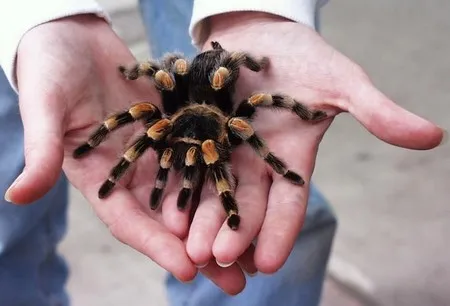
Caring for a tarantula teaches valuable life lessons about responsibility. While their needs are relatively low, providing for a tarantula means making sure they are fed, their enclosure is clean, and their environment is appropriate for them. It also means observing the tarantula, watching for signs of illness, and taking steps to address problems promptly. This experience teaches discipline and the importance of taking care of something other than oneself. Whether a child or an adult, the responsibility of caring for a living creature builds character and reinforces the significance of reliable care. Moreover, it fosters empathy for all living things, promoting an awareness of their needs and vulnerability.
Visual Appeal and Variety
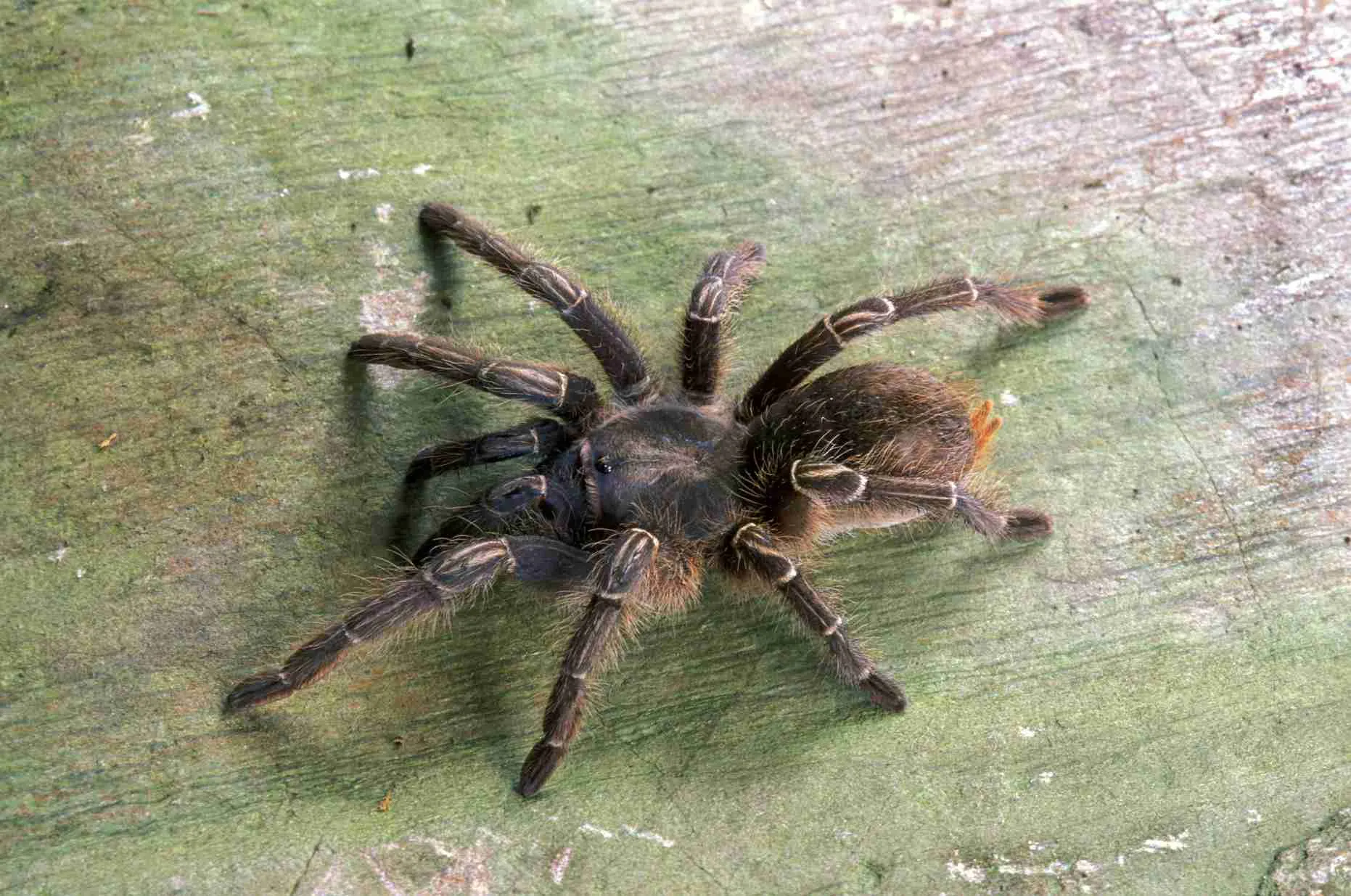
Tarantulas come in a wide variety of sizes, colors, and patterns, offering visual appeal for any enthusiast. From the vibrant blue hues of the GBB tarantula to the striking patterns of the zebra leg tarantula, there is a species to suit every taste. Their unique appearance provides a stunning visual element to any home. These spiders are a captivating alternative to more common pets, offering an opportunity to appreciate nature’s diversity. Moreover, the various species come with their own care requirements and behaviors, making the study of tarantulas a lifelong pursuit. The visual variety can be a source of constant fascination, providing a unique and beautiful addition to the home environment.
Diverse Species to Choose From
The world of tarantulas is incredibly diverse, with hundreds of species found across the globe. From the terrestrial giants of South America to the arboreal beauties of Southeast Asia, the range of options is impressive. Some species are known for their docile temperaments, while others have more defensive behaviors, allowing the owner to tailor their choice to match their experience and preferences. Different species have varying needs in terms of habitat, temperature, and humidity. Researching the different species and finding one that is right for your lifestyle is key to a successful pet ownership experience. Before buying, research the size and the specific needs of the tarantula, and make sure you can meet them. Choosing the right species enhances the enjoyment and ensures that the pet thrives.
Why a Tarantula? A Great Pet Choice

In conclusion, owning a tarantula can be a rewarding experience for those seeking a unique and low-maintenance pet. Their fascinating behaviors, simple care requirements, and wide range of species offer a captivating glimpse into the world of arachnids. They also teach responsibility, educate, and provide a beautiful visual element to any home. If you’re looking for a pet that offers a different perspective on animal companionship, a tarantula could be the perfect choice, providing a rewarding experience for both the owner and the spider. With proper care and responsible ownership, these amazing creatures can thrive and offer years of fascination and enjoyment.